What is Hydroponic Growing?
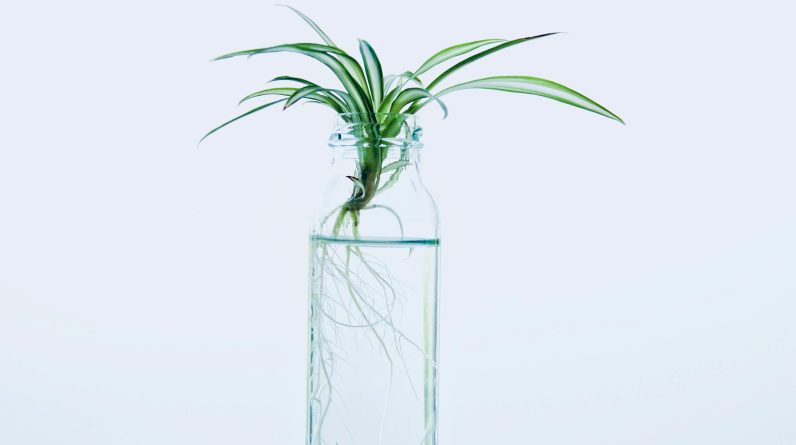
You may be wondering, what exactly is hydroponic growing? Hydroponics is a method of growing plants without soil, using a nutrient-rich water solution to deliver essential minerals directly to the plant roots. This innovative approach allows plants to thrive in a controlled environment, resulting in faster growth rates and higher yields compared to traditional soil gardening methods.
How Does Hydroponic Growing Work?
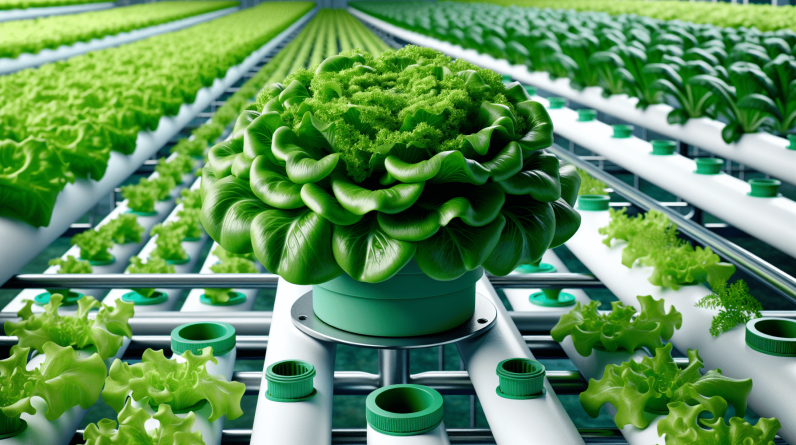
Hydroponic systems come in various forms, such as nutrient film technique (NFT), deep water culture (DWC), and aeroponics. Each system has its own unique way of delivering nutrients to plants without soil. For example, in an NFT system, a thin film of nutrient solution flows over the plant roots, providing them with a constant supply of essential minerals. Understanding how these different systems work can help you choose the right one for your growing needs.

Benefits of Hydroponic Growing
Now that you have a basic understanding of hydroponic growing, let’s delve into the numerous benefits that this innovative method offers to both plants and farmers alike.
Faster Plant Growth
With hydroponics, plants have direct access to nutrients, allowing them to grow up to 50% faster than those grown in soil. This speedy growth rate means you can enjoy a bountiful harvest in a shorter amount of time, making hydroponics an attractive option for those looking to maximize their crop yields.
Increased Yields
Due to the controlled environment of hydroponic systems, plants can reach their full potential without the limitations of soil quality or outdoor conditions. This optimal growing environment results in higher yields of fresh produce, providing you with a steady supply of nutritious fruits and vegetables throughout the year.
Water Conservation
One of the most significant advantages of hydroponic growing is its ability to conserve water. Traditional soil-based gardening methods often lead to water wastage through evaporation and runoff. In contrast, hydroponic systems use up to 90% less water, as the nutrient solution is recirculated and delivered directly to the plant roots, reducing the overall water consumption and environmental impact.
Year-Round Cultivation
Hydroponic growing allows you to cultivate plants year-round, regardless of external weather conditions. This flexibility means you can enjoy fresh produce during all seasons, providing a constant supply of homegrown fruits and vegetables without being limited by the constraints of traditional gardening methods.
Disease and Pest Prevention
By eliminating the need for soil in hydroponic systems, you also reduce the risk of soil-borne diseases and pests that can harm your plants. This leads to healthier crops that require fewer chemical inputs to maintain, resulting in a more sustainable and eco-friendly approach to farming.

Types of Hydroponic Systems
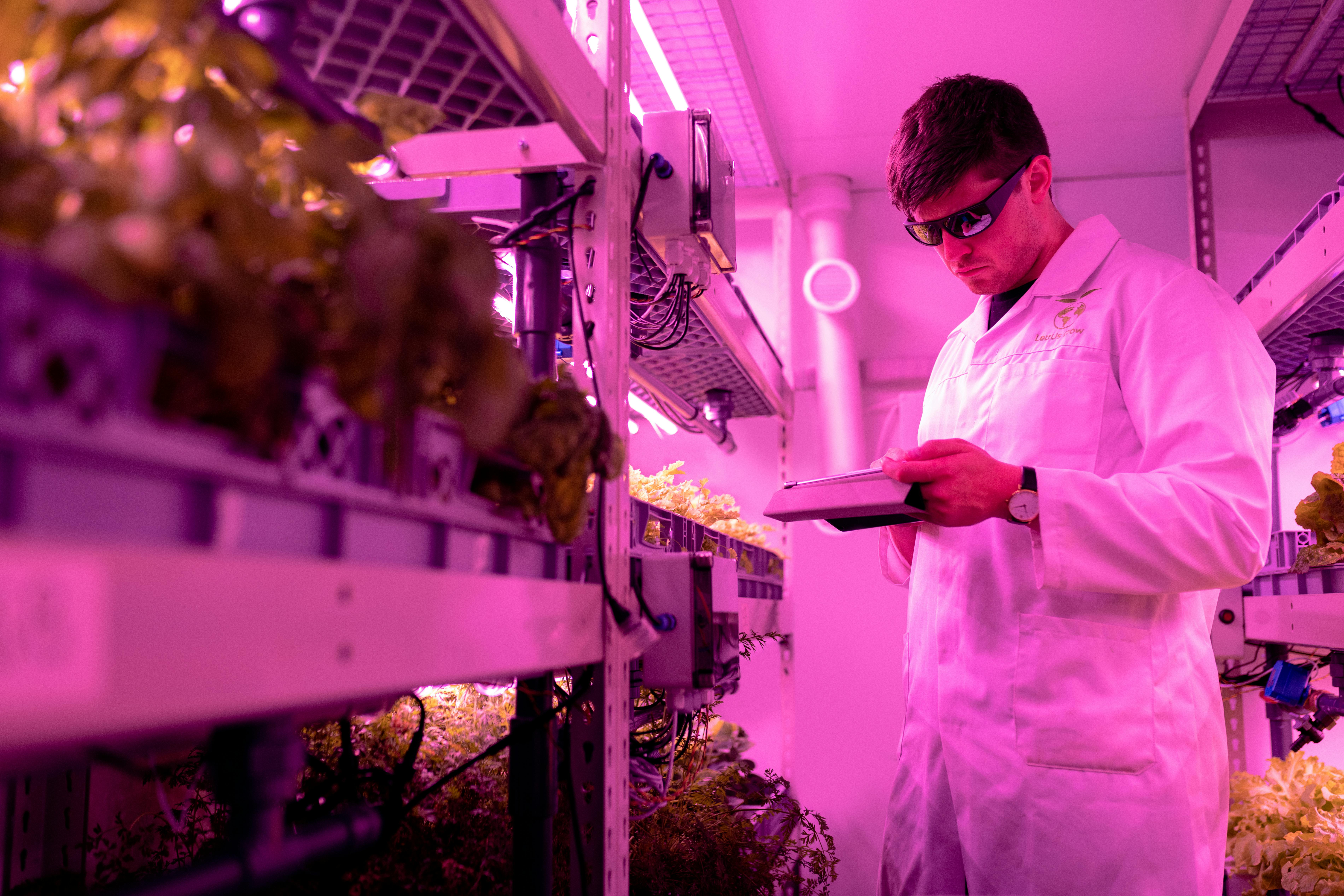
Now that you are familiar with the benefits of hydroponic growing, let’s explore the different types of hydroponic systems available to help you determine which one best suits your gardening needs.
Nutrient Film Technique (NFT)
In an NFT system, plants are grown in a shallow stream of nutrient solution, allowing their roots to absorb essential minerals. This continuous flow of water provides plants with a constant supply of nutrients, promoting healthy growth and efficient nutrient uptake.
Deep Water Culture (DWC)
DWC systems submerge plant roots in oxygenated nutrient solution, creating an ideal environment for root development and growth. This method is simple and effective, making it a popular choice for beginners and experienced growers alike.
Aeroponics
Aeroponic systems mist plant roots with a nutrient solution suspended in the air, allowing for maximum oxygenation and nutrient absorption. This high-efficiency method minimizes water usage and promotes rapid plant growth, making it a preferred choice for those looking to maximize their crop yields.
Ebb and Flow
Ebb and flow systems flood plant roots with nutrient solution at regular intervals, allowing them to absorb essential minerals before draining excess water. This cyclical process ensures plants receive an adequate water supply while preventing nutrient imbalances, resulting in healthy and thriving crops.
Drip System
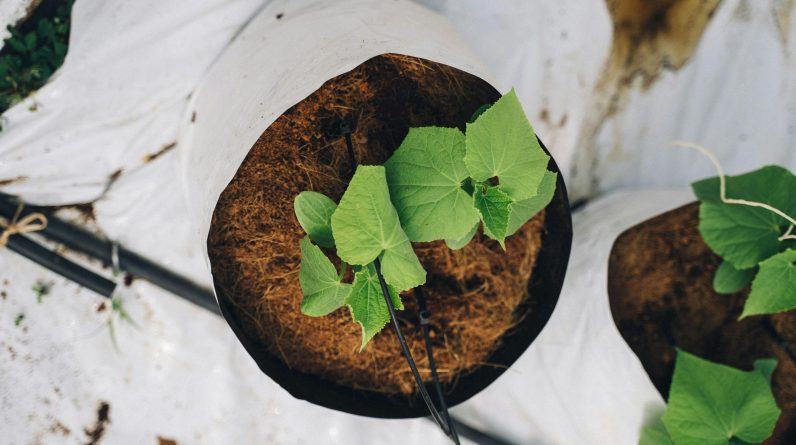
Drip systems deliver a controlled amount of nutrient solution directly to the plant roots through a network of tubes and emitters. This precise method optimizes water and nutrient distribution, ensuring plants receive the right amount of resources for optimal growth and development.
Setting Up Your Hydroponic Garden
Now that you have a better understanding of the types of hydroponic systems available, let’s discuss how to set up your own hydroponic garden to start growing fresh produce at home.
Choosing a Location
Selecting the right location for your hydroponic garden is crucial to ensure your plants receive adequate light, temperature, and humidity levels. Choose a well-ventilated area with access to natural or artificial light sources, such as near a window or under grow lights, to provide your plants with the necessary conditions to thrive.
Selecting Plants
When choosing plants for your hydroponic garden, consider factors such as space requirements, nutrient needs, and growth habits. Leafy greens, herbs, and vine crops are popular choices for hydroponic growing, as they adapt well to soilless environments and thrive in nutrient-rich water solutions.
Preparing Nutrient Solution
Creating a balanced nutrient solution is essential for the optimal growth of your plants. Follow manufacturer instructions to mix nutrient concentrates with water, ensuring that essential minerals are delivered to your plants in the correct proportions. Regularly monitor and adjust the nutrient solution to maintain proper pH levels and nutrient balance for healthy plant development.
Monitoring Environmental Conditions
Maintaining suitable environmental conditions such as temperature, humidity, and airflow is crucial for the success of your hydroponic garden. Use a thermometer and hygrometer to monitor temperature and humidity levels, and ensure proper air circulation to prevent mold and disease. Consistent monitoring and adjustments will help create an optimal growing environment for your plants.
Harvesting and Maintenance
As your plants grow, monitor their progress and harvest mature produce regularly to encourage new growth. Prune and trim plants as needed to promote healthy development and prevent overcrowding. Regularly check and maintain your hydroponic system to ensure proper functioning and nutrient delivery to plants, maximizing their growth potential.
Conclusion
In conclusion, hydroponic growing offers a sustainable and efficient approach to cultivating fresh, nutritious crops at home. By bypassing the limitations of traditional soil gardening methods, hydroponic systems provide numerous benefits such as faster growth rates, increased yields, water conservation, year-round cultivation, and disease prevention. Understanding the different types of hydroponic systems available and setting up your own hydroponic garden can help you embark on a rewarding journey of growing your own produce in a controlled and eco-friendly environment. Embrace the future of farming with hydroponic growing methods, and start enjoying a bountiful harvest of homegrown fruits and vegetables all year round.

Related Content
- How to Prevent Nutrient Solution Evaporation in Summer: Effective Methods and Best Practices
- The Ultimate Guide to the 10 Best Vertical Hydroponic Systems for 2025
- Expand Your Culinary Palette with Hydroponics
- Hydroponic Nutrient Chart: Essential Elements for Optimal Plant Growth
- Hydroponics for Beginners: Avoid These Mistakes