
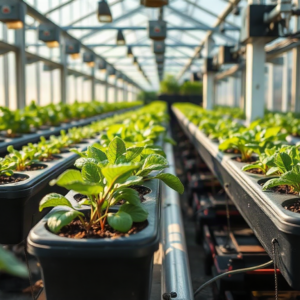
How to Select Hydroponic Systems for Budget Constraints: Cost Checklist and Tradeoffs
Select a hydroponic system for budget constraints by setting a total first-season spending limit, matching the growing method to the intended crops, and pricing every required component rather than comparing kit prices alone. Account for lights, pumps, nutrients, meters, replacement media, electricity, and backup parts before buying.
Read More »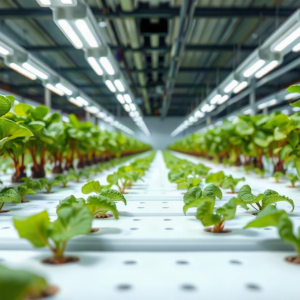
How to Improve Crop Resilience in Hydroponic Systems (Root-Zone Controls and Recovery Methods)
Improve crop resilience in hydroponic systems by stabilizing the root zone before trying to accelerate growth: maintain crop-appropriate nutrient strength and pH, protect dissolved oxygen, control solution temperature, and prevent abrupt environmental changes. Track reservoir level, electrical conductivity, pH, water temperature, flow, and plant appearance as trends rather than isolated readings.
Read More »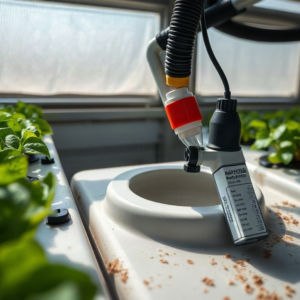
Reservoir Measurement Access for Hydroponic Systems — Port Placement, Sampling, and Sensor Methods
Effective reservoir measurement access for hydroponic systems uses a dedicated, covered port where growers can check nutrient level, temperature, pH, and electrical conductivity without lifting the main lid or disturbing roots. Place the port above representative, well-mixed solution but away from return splashing, concentrated dosing points, and pump heat.
Read More »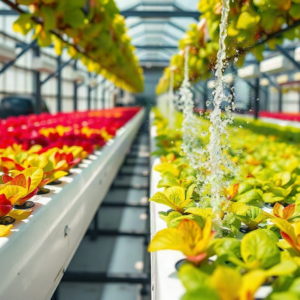
How to Reduce Splashing in Active Hydroponic Systems With Flow, Outlet, and Lid Corrections
Reduce splashing in active hydroponic systems by lowering excessive pump flow, shortening the nutrient solution’s drop distance, securing return lines, and covering exposed reservoirs or channels. Begin at the splash source: adjust a valve or bypass rather than restricting the pump intake, then position the outlet close to the solution…
Read More »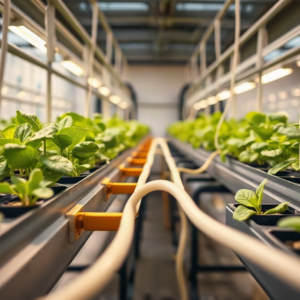
Cleanable Tubing Layout for Hydroponic Systems: Routing, Valves, and Flush Points
A cleanable tubing layout for hydroponic systems uses short, visible runs with removable connections, accessible valves, and flush points at every low or dead end. Supply tubing should follow a simple manifold pattern, while return lines need continuous fall toward the reservoir or a drainable collection point.
Read More »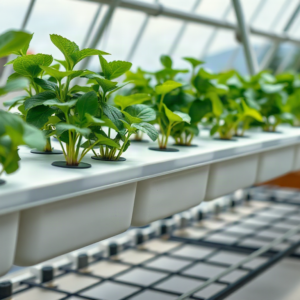
Assemble a First Hydroponic System in Sequence—An 4-Step Build Checklist
Assemble a first hydroponic system in sequence by positioning the reservoir, installing the grow tray or channels, connecting the pump and return line, adding aeration, checking for leaks, mixing nutrients, adjusting pH, and placing established seedlings only after a water-only test.
Read More »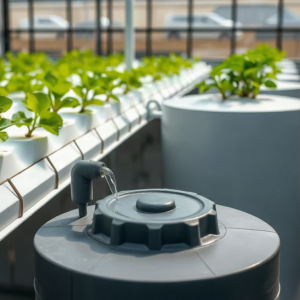
Hydroponic System Overflow Prevention Around Reservoirs — Safeguards, Failure Points, and Response Steps
Hydroponic system overflow prevention around reservoirs depends on controlling both unintended inflow and blocked return flow before nutrient solution reaches the rim. Set a verified maximum fill level, preserve enough empty reservoir volume for drain-back, secure return lines against roots and debris, and place float valves where turbulence cannot trigger erratic filling.
Read More »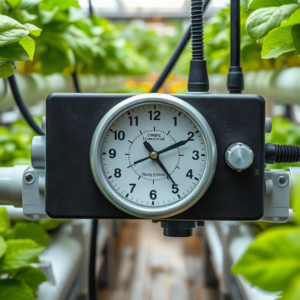
Hydroponic System Timers for Feeding Schedules — Cycle Lengths by Growing Method
Hydroponic system timers for feeding schedules should be set according to the growing method, root-zone moisture, pump flow, and the crop’s stage rather than a universal hourly formula. Drip systems usually need short, repeated irrigations, while ebb-and-flow tables require enough runtime to flood and drain the tray completely; NFT pumps commonly run continuously.
Read More »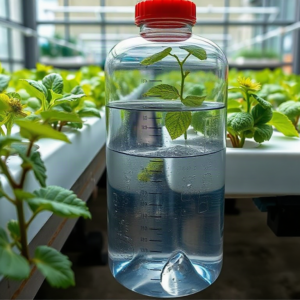
Hydroponic System Water Level Markings Explained: Fill Lines, Operating Ranges, and Calibration Mistakes
Hydroponic system water level markings identify safe fill limits and operating ranges, but their meaning changes with reservoir design and pump status. A maximum line protects air space and prevents overflow, while a minimum line indicates the lowest volume that can reliably cover a pump inlet or maintain the intended root-zone contact.
Read More »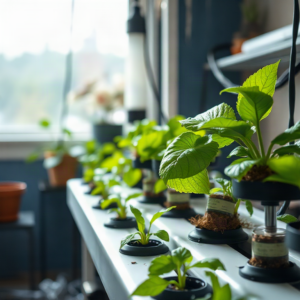
Insurance and Household Safety Concerns for Hydroponic Systems: Coverage Gaps, Fire Risks, and Prevention Steps
Insurance and household safety concerns for hydroponic systems center on whether a home policy covers water damage, electrical fires, equipment losses, and liability arising from an indoor installation. Owners should disclose substantial equipment or structural changes to their insurer, confirm coverage limits and exclusions in writing, and keep pumps, lights…
Read More »