
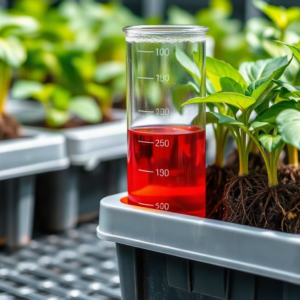
Assessing Nutrient Solution Health: Measurements, Warning Signs, and Corrective Steps
Assess nutrient solution health by measuring pH, electrical conductivity, water temperature, and reservoir level, then interpreting those readings alongside root appearance and plant response. Check values at the same time each day so changes reveal whether plants are absorbing water and minerals normally.
Read More »
How to Prevent Nutrient Solution Crystallization: Causes, Mixing Order, and Storage Checks
Prevent nutrient solution crystallization by diluting each fertilizer concentrate separately, adding products to water in the manufacturer’s specified order, and never combining concentrated calcium with sulfates or phosphates. Use clean water at a moderate temperature, keep stock bottles sealed, and measure pH and electrical conductivity only after everything is fully dissolved.
Read More »
Managing Nutrient Solution Recycling Effectively With Monitoring, Treatment, and Reset Timing
Manage nutrient solution recycling effectively by collecting return water in a clean reservoir, measuring electrical conductivity and pH, removing debris and pathogens, and correcting the solution before it reaches the crop again. Track source-water quality and reservoir additions because plants remove individual ions at different rates even when total conductivity appears acceptable.
Read More »
Dealing With Nutrient Solution Contamination: Detection, Cleanup, and Restart Steps
Deal with nutrient solution contamination by isolating the reservoir, stopping recirculation between affected and unaffected plants, and deciding whether the solution can be corrected or must be discarded. Cloudiness, slime, unusual odor, drifting pH, blocked emitters, and discolored roots can indicate microbial growth, organic debris, chemical mixing errors, or contaminated source water.
Read More »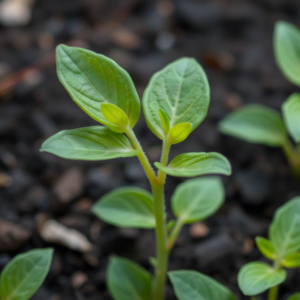
Identifying Signs of Nutrient Deficiency in Seedlings by Leaf Pattern, Location, and Timing
Identify nutrient deficiency in seedlings by examining where discoloration begins, how it spreads, and whether roots and new leaves are developing normally. Yellowing on older leaves can indicate a mobile-nutrient shortage such as nitrogen, while distorted or pale new growth points more toward calcium, iron, or another poorly mobile element.
Read More »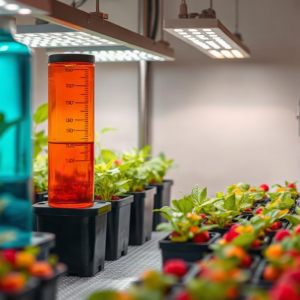
How to Troubleshoot Nutrient Solution Heating Issues Using Temperature Patterns and Equipment Tests
To troubleshoot nutrient solution heating issues, record reservoir temperature at several points in the light cycle, compare it with room temperature, and isolate heat from pumps, lamps, plumbing, and nearby equipment. Check the reading with a second thermometer before changing the system, then test suspected devices individually to see how…
Read More »How To Adjust Nutrient Levels For Specific Crops: A Practical Feeding Plan
Adjust nutrient levels for specific crops by matching the fertilizer strength and mineral balance to the plant’s growth stage, then verify the result with EC, pH, and plant response. Leafy greens usually need a gentler solution than fruiting tomatoes or peppers, while seedlings require the lowest strength because young roots are easily stressed.
Read More »
How To Prevent Nutrient Depletion In Long-Term Grows: Reservoir Checks, Replenishment, And Crop Timing
Prevent nutrient depletion in long-term grows by tracking reservoir strength and pH, replacing solution on a planned schedule, topping up with correctly mixed nutrients, and adjusting feed concentration as plant demand changes. Plants remove ions at different rates, while evaporation raises concentration and water-quality issues can interfere with uptake.
Read More »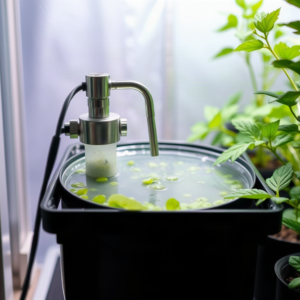
How To Maintain Consistent Nutrient Solution Temperatures Across Changing Room Conditions
Maintain consistent nutrient solution temperatures by measuring the reservoir itself, insulating it from heat swings, and using active heating or cooling when the room cannot hold a stable range. A submerged thermometer or temperature probe reveals changes that air readings miss, while a covered, light-blocking reservoir reduces warming and algae-favoring light exposure.
Read More »
How To Avoid Nutrient Deficiencies In Seedlings With Early Feeding, pH Checks, And Root-Zone Control
To avoid nutrient deficiencies in seedlings, use a mild, complete nutrient solution only after the first true leaves appear, keep root-zone pH within the crop’s usable range, and verify EC rather than guessing from leaf color.
Read More »