
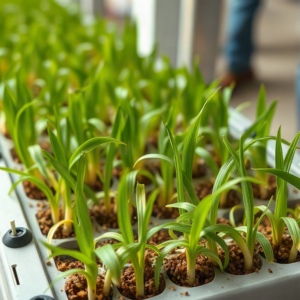
Hydroponic Barley Fodder for Small Livestock: Feeding Benefits, Risks, and Production Method
Hydroponic barley fodder for small livestock is a fresh supplemental feed produced by sprouting barley grain in shallow trays, usually without soil, until roots and green shoots form. Its high moisture content can improve feed palatability and provide animals with fresh forage, but the harvested mat contains less dry matter than its weight suggests.
Read More »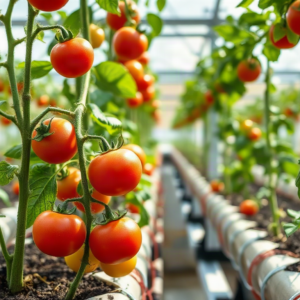
Hydroponic Tomato System Needs and Fruiting Support (Setup Checklist)
Hydroponic tomato system needs and fruiting support are best met with a large, aerated root zone, stable nutrient delivery, strong light, reliable trellising, and active pollination. Choose a drip-fed substrate system or well-managed recirculating setup that can handle mature roots without prolonged saturation.
Read More »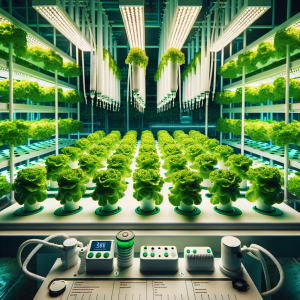
Harvesting Hydroponic Cucumbers at the Right Size: Variety Targets and Ripeness Signs
Harvest hydroponic cucumbers at the size specified for their variety, before the fruit becomes dull, swollen, or heavily seeded. Pickling types are commonly collected while short and firm, slicers at a longer marketable length, and compact cultivars according to the breeder’s stated target rather than one universal measurement.
Read More »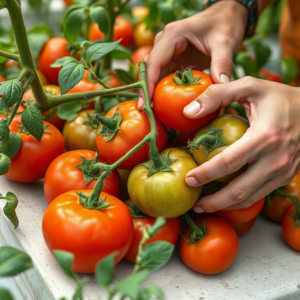
Harvesting Hydroponic Tomatoes at Color Break (Ripeness Checks and Picking Method)
Harvesting hydroponic tomatoes at color break means picking each fruit when its mature-green skin first shows a definite pink, red, orange, or yellow patch, then allowing ripening to continue off the vine. Confirm that the tomato has reached full size, developed a smoother surface and changed from hard green to…
Read More »
How to Manage Hydroponic Crop Transitions: Changeover Checklist and Reset Steps
Manage hydroponic crop transitions by scheduling the final harvest, removing roots and residue, cleaning the irrigation loop, and restoring the nutrient solution before new plants enter the system. Match the reset depth to the outgoing crop: leafy greens may leave fine roots in channels, while tomatoes or cucumbers can create…
Read More »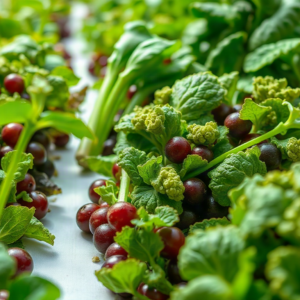
How Harvest Timing Affects Hydroponic Flavor Across Herbs, Greens, and Fruiting Crops
Harvest timing affects hydroponic flavor by determining the balance of sugars, acids, aromatic compounds, bitterness, and texture present when a crop is picked. Leafy greens harvested young are usually tender and mild, while delayed harvest can bring tougher leaves, stronger bitterness, or bolting; basil and other herbs often lose aromatic quality after flowering begins.
Read More »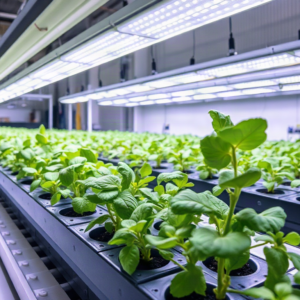
How to Maintain Consistent Lighting for Hydroponic Crops: Coverage, Timing, and Output Checks
Maintain consistent lighting for hydroponic crops by standardizing the photoperiod with a reliable timer, positioning fixtures for even canopy coverage, and checking light output at plant height rather than relying on wattage alone. Match intensity and daily light duration to the crop’s growth stage, then adjust fixture height as plants grow.
Read More »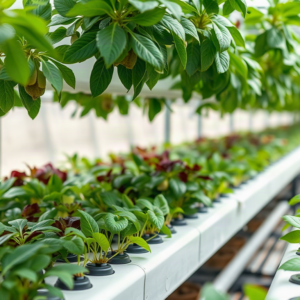
Handling Hydroponic Plant Overgrowth Without Harming Yield (Pruning Steps and Timing)
Handle hydroponic plant overgrowth by first restoring light and airflow, then pruning crowded shoots gradually rather than removing a large share of foliage at once. Begin with dead leaves, damaged growth, inward-facing stems, and foliage touching the reservoir, channels, lights, or neighboring plants.
Read More »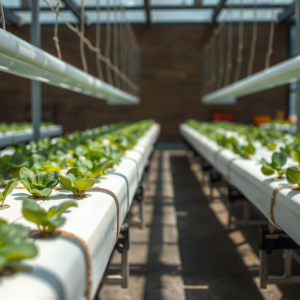
How to Create a Hydroponic Harvest Plan With Crop Dates and Yield Targets
Create a hydroponic harvest plan by working backward from desired harvest dates, then assigning each crop a realistic germination, transplant, growth, and harvest window. Record the number of planting sites, expected usable yield, succession interval, and days needed to clean and reset the growing area.
Read More »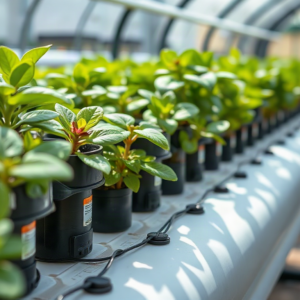
Hydroponic Drip Irrigation System Kit Selection (Pump Sizing, Emitter Types, and Compatibility Checks)
Hydroponic drip irrigation system kit selection should match the pump, emitters, tubing, and reservoir to the number of plants, elevation change, growing medium, and required irrigation frequency. Choose pressure-compensating emitters for longer or unevenly elevated runs, while short level layouts can often use simpler stakes or open-ended outlets.
Read More »