
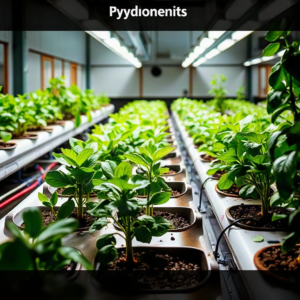
Hydroponic Garden Watering System Design: Which Layout Plan Fits Your Crop?
A sound hydroponic garden watering system design matches the layout plan to the crop’s root-zone needs, the growing method, and the distance nutrient solution must travel. Size the reservoir for stable operation, select a pump from the required flow and actual lift height, and arrange supply lines so every plant receives comparable delivery.
Read More »Solar Powered Drip Irrigation for Hydroponic Gardens (Sizing, Runtime, and Backup Methods)
Solar powered drip irrigation for hydroponic gardens works reliably when the solar panel, charge controller, battery, pump, reservoir, and emitters are sized around the garden’s daily water demand and the site’s least favorable sunlight conditions.
Read More »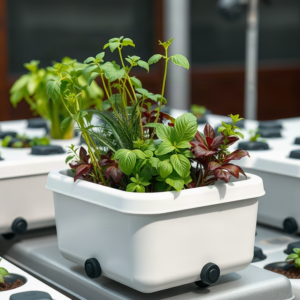
Mixed Herb Container Planning for Hydroponic Gardens: Compatible Pairings and Spacing
Explore mixed herb container planning for hydroponic gardens through group herbs by growth, including practical limits and conditions that change the outcome.
Read More »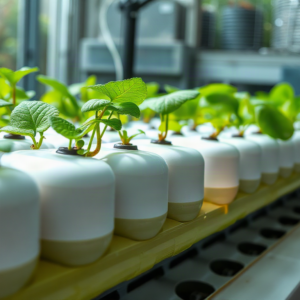
Hydroponic Gardening Water Loss From Evaporation: Causes, Measurement, and Control Methods
Hydroponic gardening water loss from evaporation is controlled most effectively by covering exposed nutrient solution, limiting unnecessary airflow across the reservoir, moderating solution temperature, and measuring daily level changes. Evaporation removes water but leaves dissolved fertilizer behind, so electrical conductivity can rise even when plants have not consumed more nutrients.
Read More »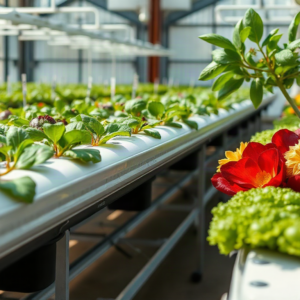
Hydroponic Gardening Harvest Planning for Continuous Supply: A Week-by-Week Crop Rotation Plan
A continuous hydroponic harvest comes from dividing the growing area into recurring sowing, transplanting, and picking slots rather than planting every site at once. Set a weekly consumption target, work backward from each crop’s usable harvest window, and start small batches at fixed intervals.
Read More »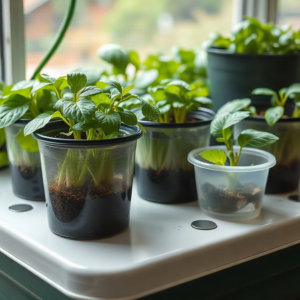
Hydroponic Gardening With Recycled Household Containers for Herbs, Lettuce, and Seedlings
Hydroponic gardening with recycled household containers works well for herbs, lettuce, and seedlings when each vessel is food-safe, opaque, easy to sanitize, and deep enough to keep roots in nutrient solution without submerging the plant crown.
Read More »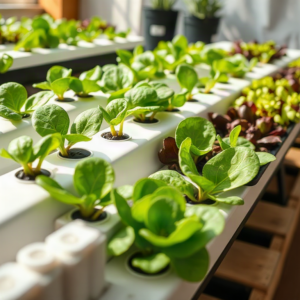
Hydroponic Gardening for Salad Greens Succession Planting With a Weekly Sowing Plan
The best plan for Hydroponic gardening for salad greens succession planting is the interval that matches measured harvests to realistic kitchen demand.
Read More »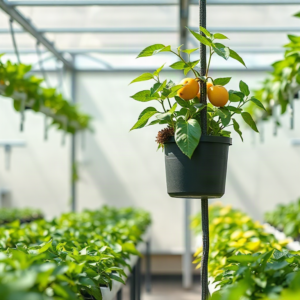
How to Anchor Tall Plants in Hydroponic Gardens: Support Methods by System and Growth Stage
Anchor tall plants in hydroponic gardens by supporting the stem and fruit load from an independent overhead frame, trellis, stake, or cage rather than asking the net pot and roots to hold the plant upright.
Read More »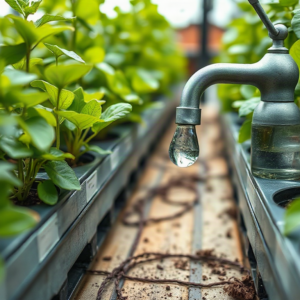
Hydroponic Gardening With Tap Water Precautions (A 6-Point Water Check)
Hydroponic gardening with tap water is usually workable when precautions address disinfectants, mineral content, alkalinity, pH, and contamination before nutrients reach the reservoir. Check the utility’s water-quality report, measure source-water electrical conductivity and pH, and determine whether the supply contains chlorine or longer-lasting chloramine.
Read More »
Hydroponic Gardening Startup Costs by Growing Method (Equipment, Tradeoffs, and Budget Examples)
Hydroponic gardening startup costs vary mainly by growing method, with a basic wick setup often costing about $40–$100, small deep-water culture systems about $80–$250, and pump-driven drip, ebb-and-flow, or NFT gardens commonly starting around $150–$500.
Read More »