
Understanding Hydroponic Growing Systems
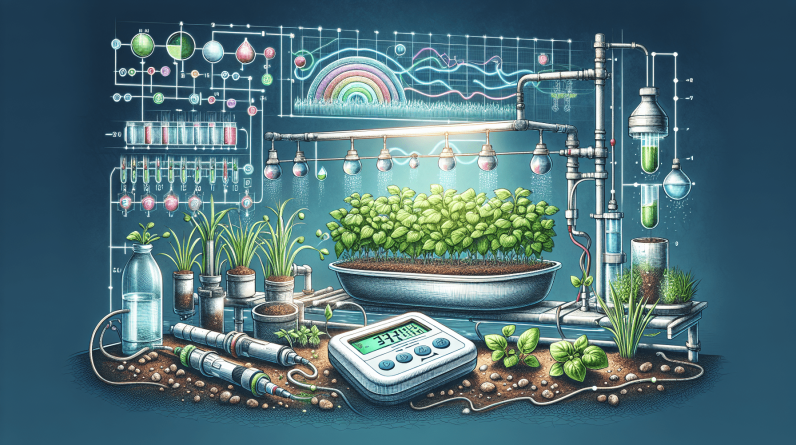
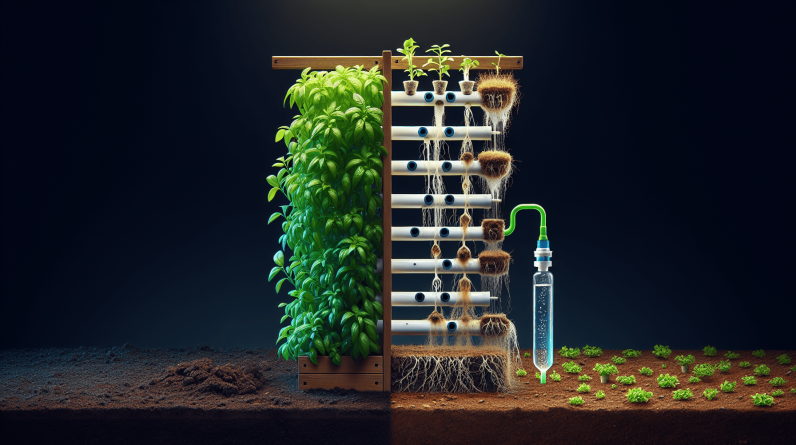
Hydroponic growing systems are a soilless cultivation technique that delivers a nutrient-rich solution directly to plant roots. This method allows plants to grow faster and produce higher yields compared to traditional soil gardening. By eliminating the need for soil, hydroponics conserves water by up to 90% and enables year-round cultivation, making it a sustainable and efficient approach to growing crops.
Benefits of Hydroponic Growing Systems
Hydroponic growing systems offer a myriad of benefits that make them an attractive option for gardeners. These systems reduce the risk of soil-borne diseases and pests, resulting in healthier plants that require fewer chemical inputs. Additionally, hydroponics can be implemented in various settings, including indoor environments, allowing for greater flexibility in gardening practices.

Types of Hydroponic Growing Systems
There are several different types of hydroponic growing systems, each with its own unique features and benefits. Understanding the differences between these systems can help you choose the right one for your gardening needs.
Deep Water Culture (DWC)
Deep Water Culture (DWC) systems suspend plant roots in a nutrient solution, providing ample oxygen for healthy root growth. These systems are simple to set up and ideal for growing leafy greens and herbs.
Nutrient Film Technique (NFT)
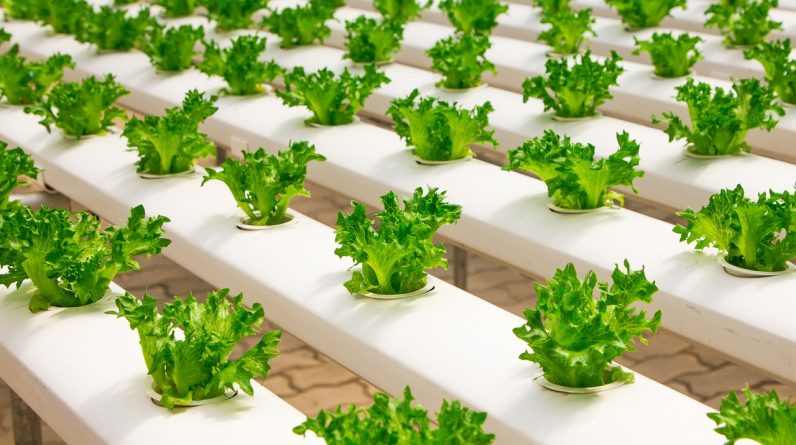
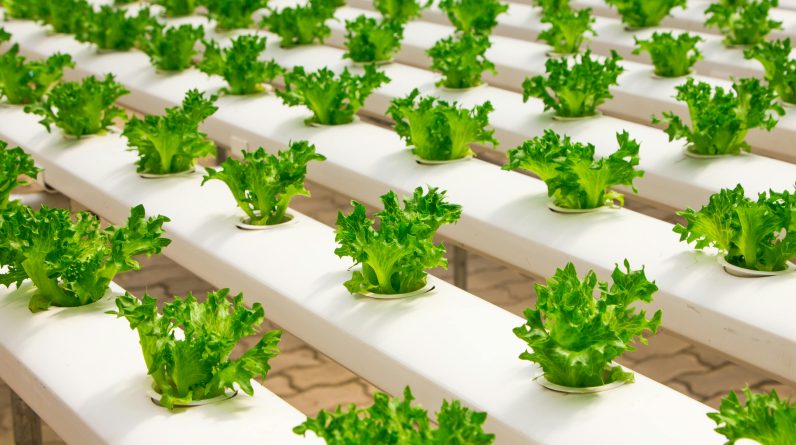
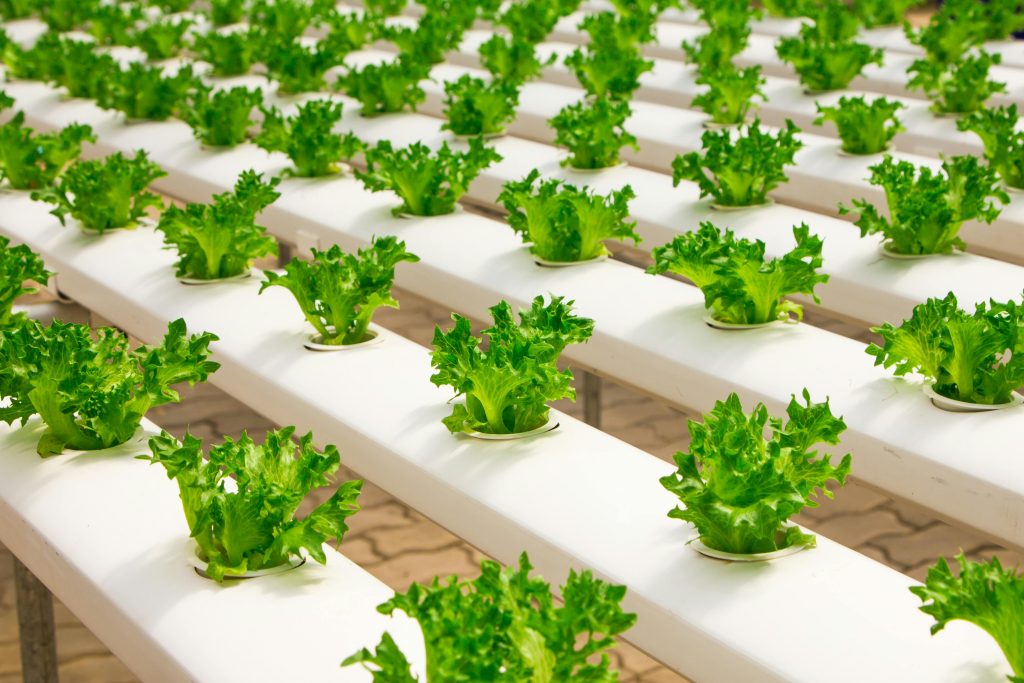
Nutrient Film Technique (NFT) systems continuously circulate a thin film of nutrient solution over plant roots, promoting optimal nutrient uptake. NFT systems are space-efficient and suitable for growing smaller plants like lettuce and strawberries.
Ebb and Flow
Ebb and Flow systems flood plant roots with nutrient solution at intervals, allowing for increased oxygenation and nutrient absorption. These systems are versatile and can accommodate a wide range of plant sizes and varieties.
Drip System
Drip systems deliver nutrient solution directly to plant roots through a network of tubes and emitters, ensuring even distribution of nutrients. Drip systems are highly customizable and suitable for a wide range of plant types.
Aeroponics
Aeroponic systems mist plant roots with a nutrient solution, providing optimal oxygenation and nutrient absorption. These systems are efficient in water usage and ideal for growing a variety of plants, including leafy greens and tomatoes.
Maintaining Ideal Temperature for Hydroponic Growth
Proper temperature regulation is essential for ensuring optimal plant growth in hydroponic systems. Here are some tips for maintaining the ideal temperature for your plants:
Monitor and Adjust
Regularly monitor the temperature of your nutrient solution and growing environment using a thermometer. Adjust the temperature as needed to keep it within the optimal range for your plants.
Use a Chiller or Heater
Invest in a water chiller or heater to regulate the temperature of your nutrient solution effectively. This will help prevent temperature fluctuations that can stress your plants and impact their growth.
Provide Adequate Ventilation
Ensure proper ventilation in your growing space to prevent heat buildup and maintain a consistent temperature. Use exhaust fans or vents to circulate air and cool the environment.
Consider Light Heat
If using grow lights in your hydroponic system, be mindful of the heat they emit. Position lights at an appropriate distance from plants to prevent overheating and maintain a comfortable temperature.
Insulate Water Reservoirs
Insulating water reservoirs can help regulate the temperature of your nutrient solution and prevent rapid fluctuations. Use materials like foam or reflective insulation to maintain a stable environment for your plants.
Choosing the Right Plants for Hydroponic Systems
Not all plants are well-suited for hydroponic cultivation, so it’s essential to choose the right varieties for your system. Here are some plants that thrive in hydroponic growing environments:
Leafy Greens
Plants like lettuce, spinach, and kale are well-suited for hydroponic systems due to their shallow root systems and fast growth rates. These greens are nutrient-dense and easy to cultivate in nutrient-rich solutions.
Herbs
Herbs such as basil, mint, and parsley thrive in hydroponic systems, providing fresh flavors and aromas for your culinary endeavors. These plants require little space and can be grown year-round in indoor settings.
Strawberries
Strawberries are well-adapted to hydroponic cultivation, producing juicy fruits that are rich in vitamins and antioxidants. Growing strawberries in NFT or Ebb and Flow systems can yield bountiful harvests in a controlled environment.
Tomatoes
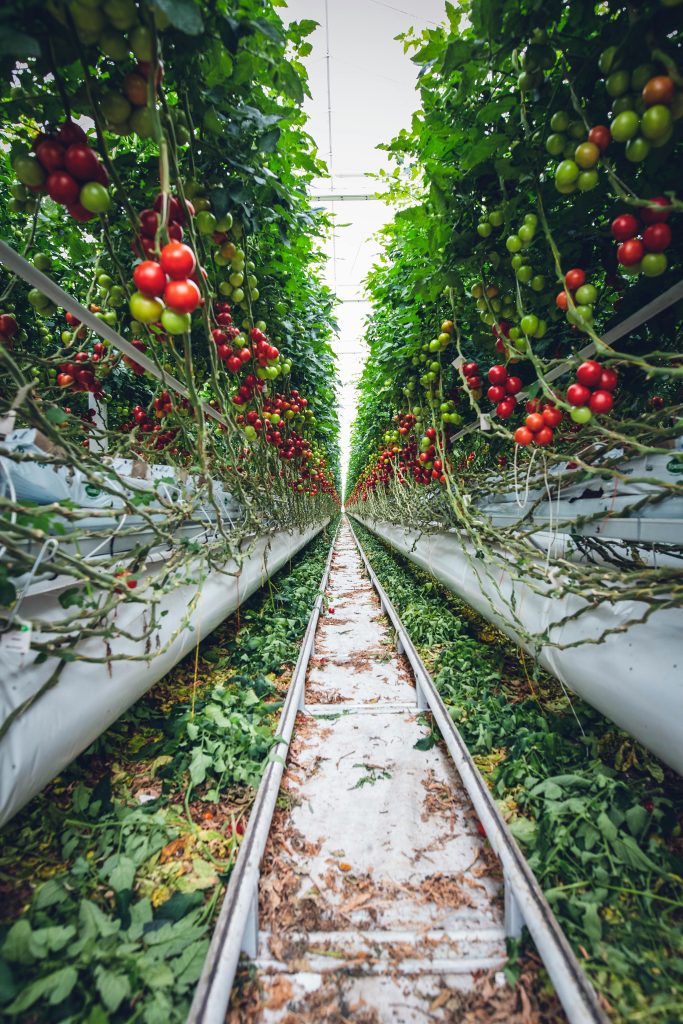
Tomatoes are a popular choice for hydroponic growers, as they produce high yields of flavorful fruits in nutrient-rich solutions. Aeroponic systems are particularly well-suited for growing tomatoes, providing ample oxygenation for robust growth.
Peppers
Peppers, including bell peppers and chili peppers, thrive in hydroponic systems and produce vibrant fruits with varying levels of heat. Drip systems are ideal for growing peppers, delivering nutrients directly to plant roots for optimal growth.
Tips for Success in Hydroponic Gardening
To ensure the success of your hydroponic growing endeavors, follow these essential tips for maintaining healthy plants and bountiful harvests:
Maintain pH Levels
Regularly monitor and adjust the pH level of your nutrient solution to ensure optimal nutrient uptake by plants. Most hydroponic systems require a pH range of 5.5 to 6.5 for healthy growth.
Monitor Nutrient Levels
Check the nutrient levels in your solution regularly and adjust as needed to prevent deficiencies or excesses in essential nutrients. Proper nutrient balance is key to promoting vigorous plant growth and fruit development.
Inspect for Pests and Diseases
Regularly inspect your plants for signs of pests or diseases, as hydroponic systems are not immune to infestations. Implement preventative measures such as introducing beneficial insects or organic pesticides to keep plants healthy.
Prune and Trim
Prune and trim your plants regularly to promote healthy growth and prevent overcrowding. Removing dead or damaged foliage can improve airflow and light penetration, leading to better overall plant health.
Clean and Sanitize
Maintain cleanliness in your hydroponic system by regularly cleaning and sanitizing components like reservoirs, tubing, and growing trays. This will help prevent the buildup of algae, bacteria, and pathogens that can harm your plants.
Stay Consistent
Consistency is key in hydroponic gardening, so establish a regular maintenance routine and stick to it. Monitor plant growth, nutrient levels, and environmental conditions to ensure a stable and productive growing environment.
By following these tips and guidelines, you can achieve success in your hydroponic growing ventures and enjoy the benefits of fresh, nutritious produce year-round. With the right knowledge and techniques, hydroponic gardening can be a rewarding and sustainable way to cultivate your favorite plants. Happy growing!

Related Content
Further Reading
Related Resources
- Home Hydroponic Gardening Ideas: Practical Methods for Growing Fresh Produce Indoors
- Hydroponic Growing Techniques: Effective Methods for Home and Commercial Cultivation
- Hydroponic Growing Tent: Essential Equipment and Setup Steps for Thriving Indoor Gardens
- Hydroponic Growing Tips: Essential Techniques for Thriving Plants