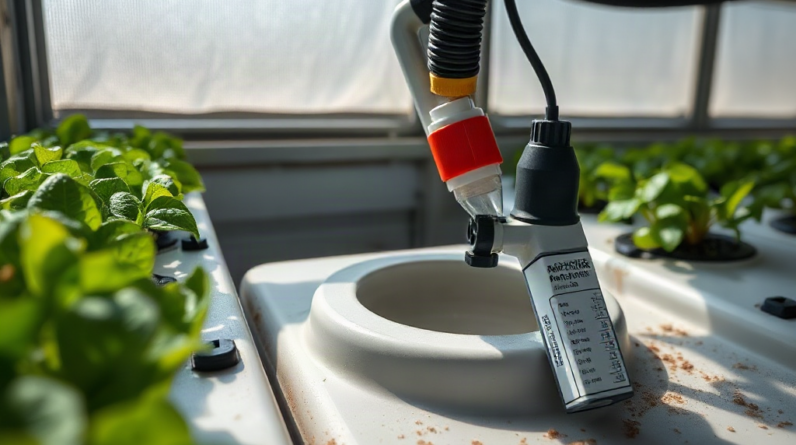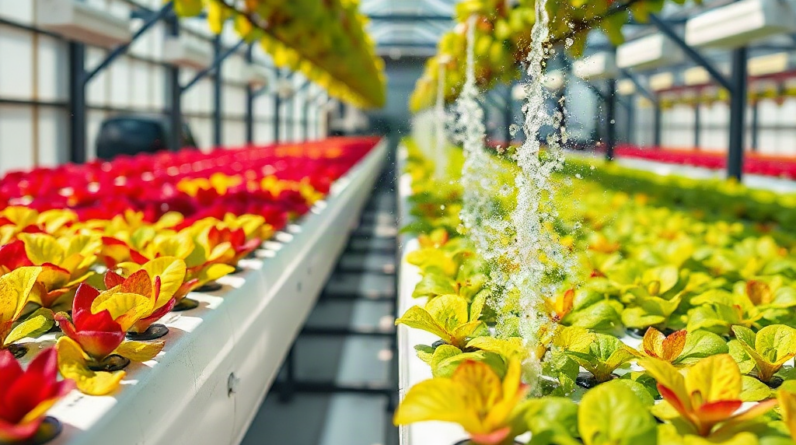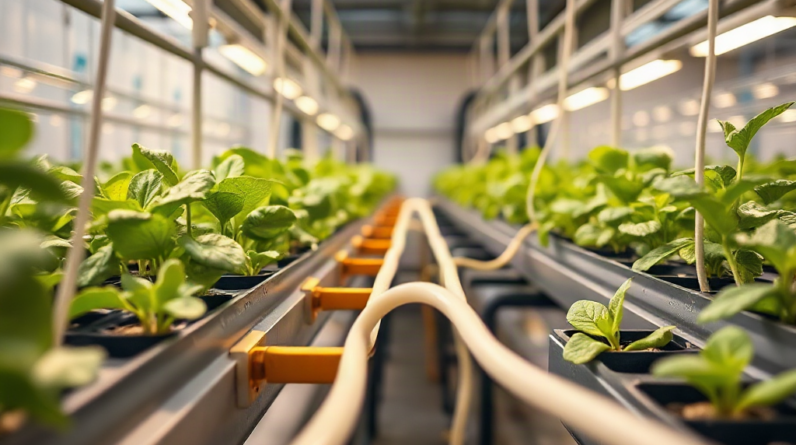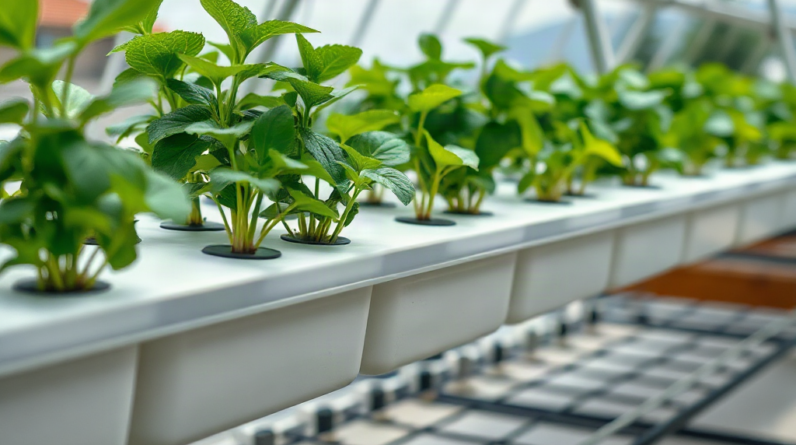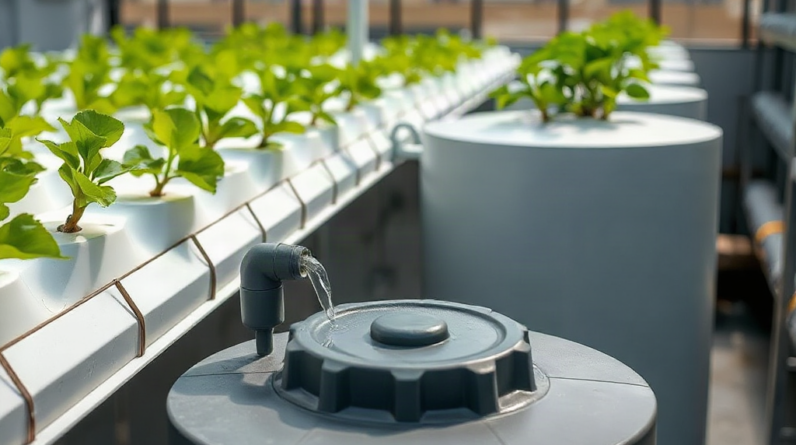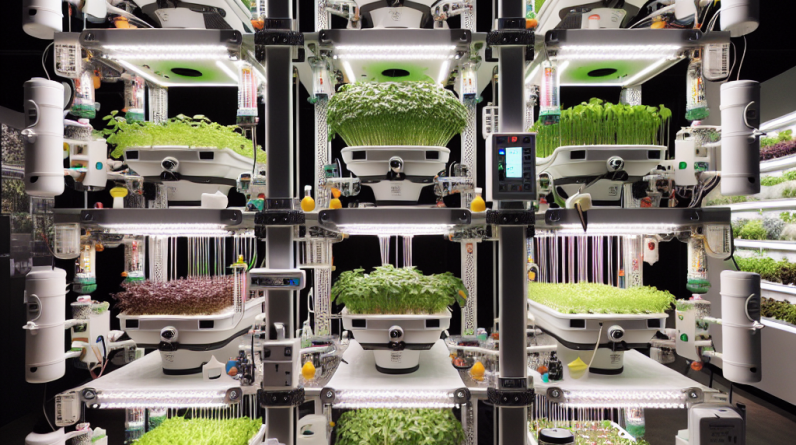
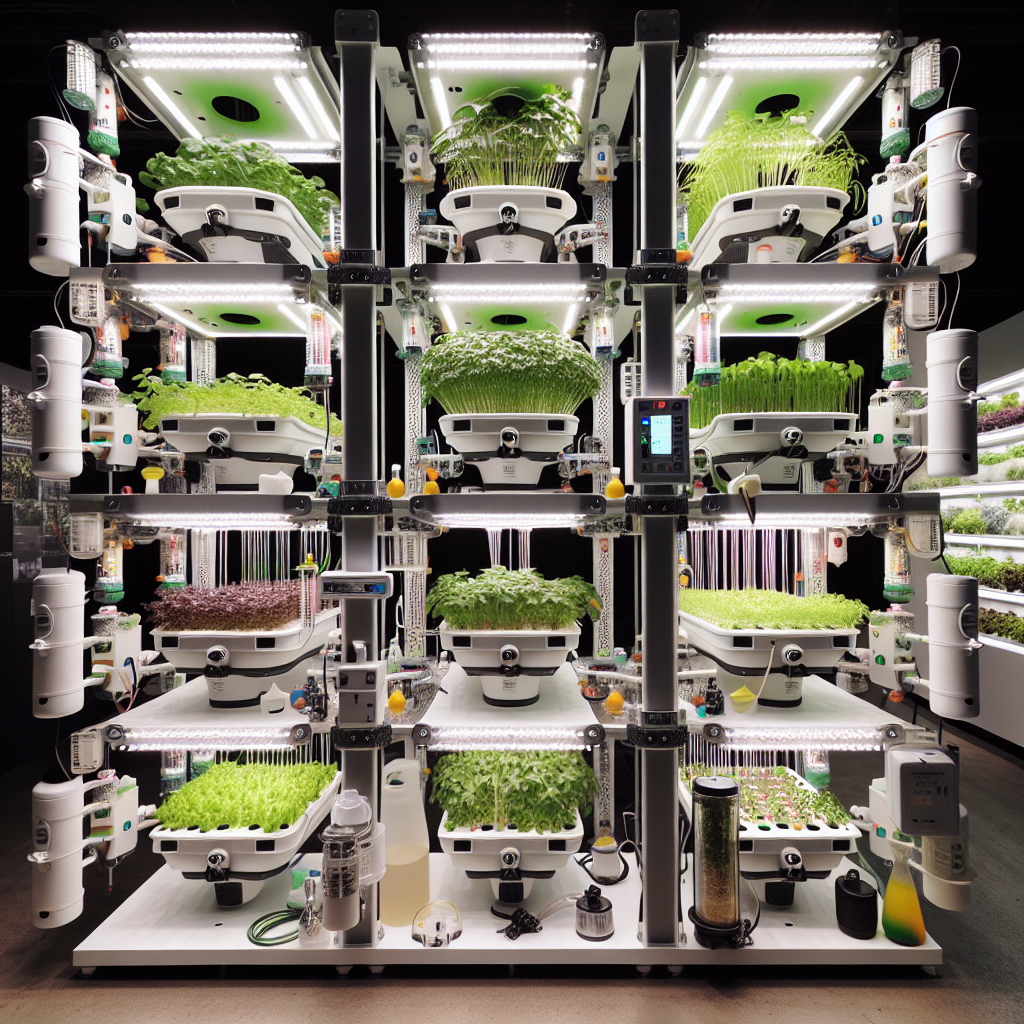
An indoor hydroponic herb garden allows you to grow fresh herbs year-round using nutrient-rich water instead of soil. This method not only provides optimal growth conditions but also allows you to cultivate flavorful herbs like basil, cilantro, and mint indoors, regardless of the weather outside. By controlling the environment, you can enhance flavor and growth rates, making it a rewarding hobby for culinary enthusiasts and health-conscious individuals alike.
However, many beginners often overlook critical factors such as light, nutrient balance, and system choice, which can lead to disappointing results. Failing to provide adequate light or using the wrong nutrient solution can stunt growth or even kill your plants. Therefore, it’s essential to prioritize these aspects right from the start. Consider investing in high-quality grow lights and a reliable hydroponic system to ensure your herbs thrive.
Choosing the Right Hydroponic System
When starting an indoor hydroponic herb garden, selecting the right system is crucial for success. There are several types of hydroponic systems available, including deep water culture, nutrient film technique, and aeroponics. Each system has its advantages and disadvantages, depending on the space you have and the herbs you want to grow.
For beginners, deep water culture is often recommended due to its simplicity and effectiveness. This system involves suspending the plant roots in a nutrient solution, allowing them to absorb water and nutrients directly. It’s important to consider the size of your garden and the types of herbs you wish to cultivate when making your choice.
Essential Nutrients for Herbs
Herbs require specific nutrients to flourish in a hydroponic environment. The primary nutrients include nitrogen, phosphorus, and potassium, along with trace elements like calcium, magnesium, and iron. Using a balanced nutrient solution tailored for hydroponic systems is vital for optimal growth.
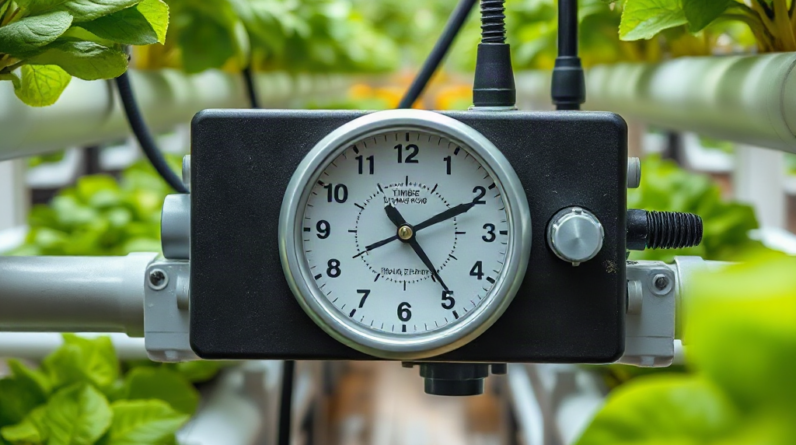
Regularly monitor the nutrient solution to ensure it remains balanced. Most hydroponic nutrient solutions will indicate how often to change the water and replenish nutrients. Neglecting this can lead to nutrient deficiencies, which manifest in yellowing leaves or stunted growth.
Lighting Requirements for Indoor Herbs
Proper lighting is essential for the health of your indoor hydroponic herb garden. Most herbs require 12 to 16 hours of light per day to thrive. Natural sunlight can be limited, especially in winter, so using grow lights can help supplement this need.
LED grow lights are a popular choice because they are energy-efficient and provide the full spectrum of light needed for plant growth. Position the lights close to the plants, adjusting as they grow to ensure they receive adequate light without burning the leaves.
Common Mistakes to Avoid
Many first-time hydroponic gardeners make mistakes that can hinder their success. One common error is overwatering, which can lead to root rot. In a hydroponic system, the roots should be submerged in nutrient solution without being waterlogged.
Another mistake is neglecting pH levels. The ideal pH for most herbs is between 5.5 and 6.5. Regularly check and adjust the pH to ensure nutrient uptake is optimal. Keeping a close watch on these factors will greatly improve your chances of a thriving garden.
Frequently Asked Questions
What herbs are best for hydroponic gardening?
Basil, mint, parsley, and cilantro are some of the best herbs for hydroponic gardening due to their fast growth and high yield.
How often should I change the water in my hydroponic system?
It’s recommended to change the water every two weeks to maintain nutrient balance and prevent algae growth.
Do I need to use special lights for my indoor herb garden?
Yes, using grow lights, such as LED lights, can provide the necessary light spectrum for healthy herb growth.
Can I use regular garden soil in a hydroponic system?
No, hydroponic systems rely on nutrient solutions instead of soil, which can lead to complications such as root rot.
What is the ideal pH for hydroponic herbs?
The ideal pH for most herbs in hydroponic systems is between 5.5 and 6.5 to ensure proper nutrient absorption.
Conclusion
Creating an indoor hydroponic herb garden is a rewarding venture that allows you to enjoy fresh herbs throughout the year. By focusing on choosing the right system, maintaining proper lighting, and monitoring nutrient levels, you can avoid common pitfalls and ensure thriving growth. Start with easy-to-grow herbs to build your confidence, and soon you’ll have a flourishing indoor garden that enhances your culinary experiences.