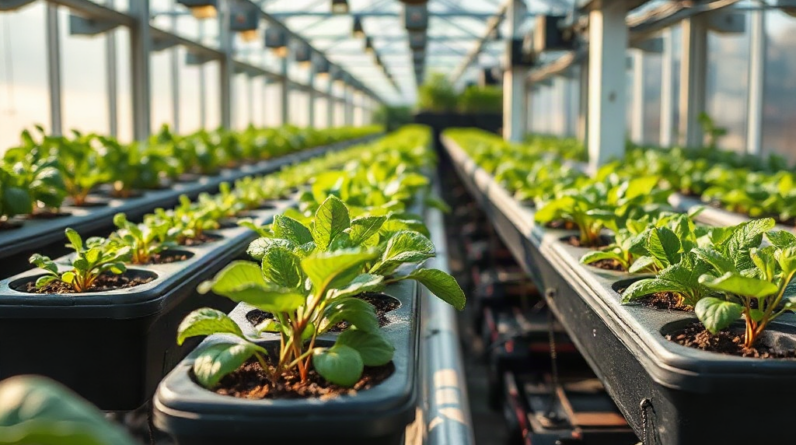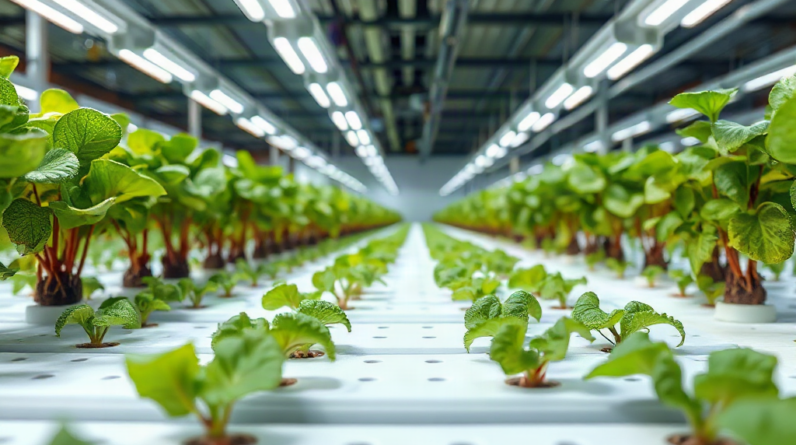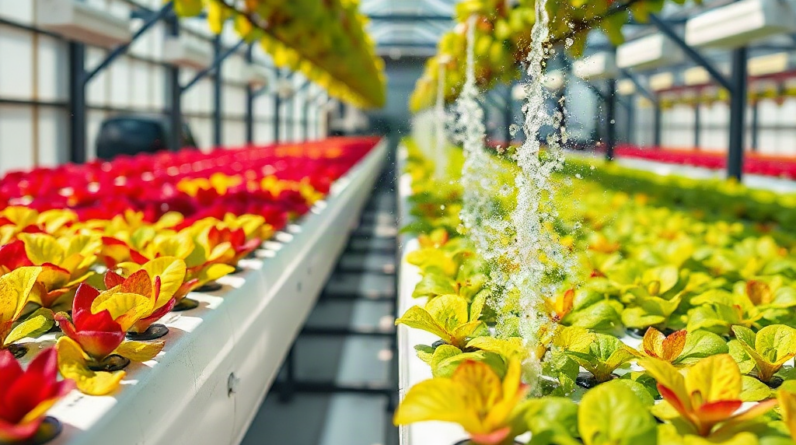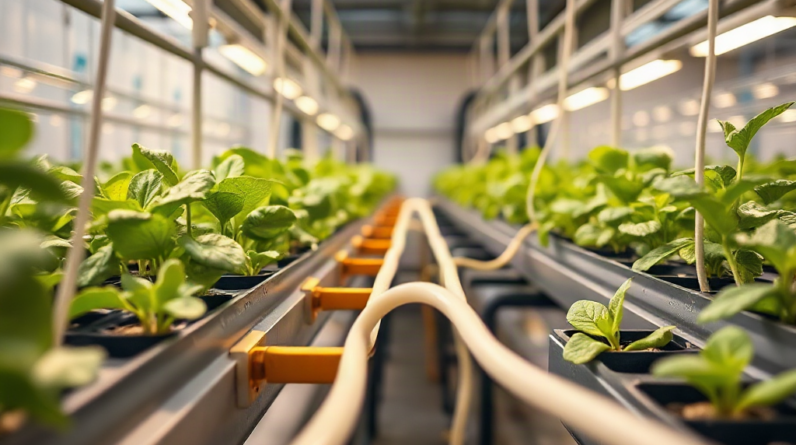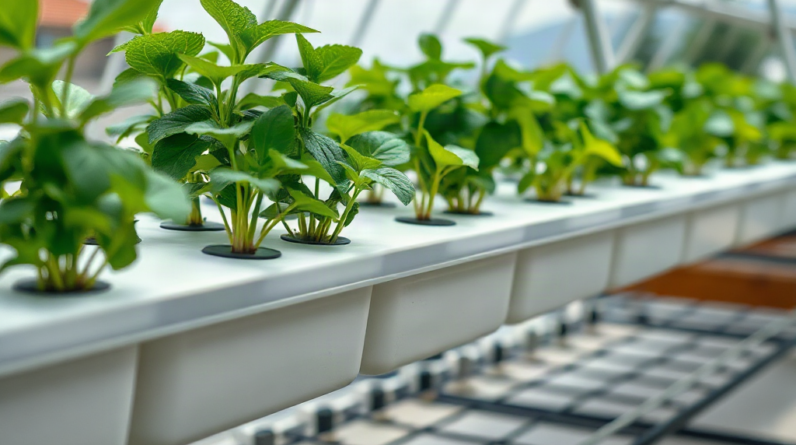

Hydroponic germination techniques focus on creating optimal conditions for seeds to sprout without soil, allowing for healthier seedlings. Key factors include moisture control, light exposure, and maintaining the right temperature. By managing these elements effectively, growers can ensure a robust start for their plants, leading to better growth in subsequent stages.
Understanding the right balance of nutrients is essential as well. Hydroponic systems often require specific nutrient solutions to support seedling development. New growers can struggle with overwatering or underwatering, which are common mistakes that can hinder germination. Thus, monitoring moisture levels closely and adjusting as necessary is critical for success.
Choosing the Right Seeds for Hydroponics
Selecting suitable seeds is fundamental for successful hydroponic germination. Varieties that adapt well to hydroponic systems include lettuce, herbs, and certain vegetables. These seeds generally germinate quickly and thrive in nutrient-rich water environments, making them ideal for beginners.
It’s important to consider the germination time and conditions for each seed type. Some seeds require light to germinate, while others need darkness. Understanding these requirements can help avoid unnecessary delays and ensure more consistent results. Always source seeds from reputable suppliers to increase your chances of getting high-quality seeds.
Setting Up Your Hydroponic Germination System
Setting up an effective hydroponic germination system involves choosing the right containers and mediums. Common options include seed trays, rockwool cubes, and peat pellets. Each medium has unique properties that can influence moisture retention and aeration.
Establishing a controlled environment is equally vital. Utilizing grow lights can help regulate light exposure, while heating mats can maintain optimal temperature ranges. Keeping humidity levels consistent is also necessary to prevent diseases during the germination phase. Regular checks and adjustments will help maintain the ideal conditions.
Common Germination Mistakes to Avoid
New hydroponic growers often make mistakes that can adversely affect germination. One of the most common errors is overwatering, which can lead to root rot and mold. Instead, ensure that the growing medium remains moist but not soggy, allowing for proper air circulation.
Another frequent mistake is neglecting to control light exposure. Some seeds may require darkness to germinate, while others thrive under light. Identifying the specific needs of the seeds you are using will help avoid these pitfalls. Additionally, ensure your nutrient solution is not too concentrated, as this can stress seedlings.
Nutrient Solutions for Seedlings
Nutrient solutions are crucial during the germination phase, providing essential minerals and elements for seedling growth. A balanced nutrient solution tailored for seedlings typically contains lower concentrations of nitrogen and higher levels of phosphorus and potassium to support strong root development.
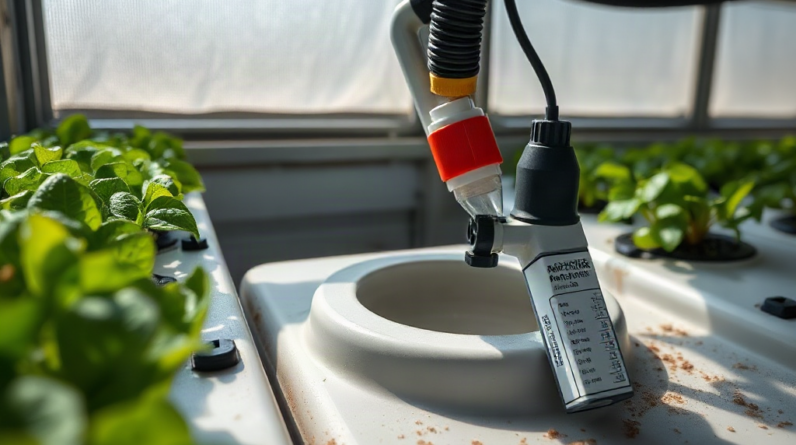
Regularly testing the pH and electrical conductivity of your nutrient solution is vital, as imbalances can hinder seedling growth. Adjusting the nutrient solution according to the specific needs of the seedlings will maximize their potential. Consider starting with a diluted solution and gradually increasing concentration as seedlings mature.
For those interested in deepening their understanding of hydroponic germination techniques, several authoritative resources can be consulted. Explore university agricultural extensions or hydroponic gardening books that cover advanced methods and troubleshooting tips.
Frequently Asked Questions
What are the best seeds for hydroponic germination?
Lettuce, herbs, and certain vegetables are among the best seeds for hydroponic germination due to their quick sprouting and adaptability.
How do I prevent mold during germination?
Maintaining proper air circulation and humidity levels, as well as avoiding overwatering, can help prevent mold during the germination process.
What is the ideal temperature for seed germination?
The ideal temperature for most seeds to germinate is between 70°F to 75°F (21°C to 24°C), although this can vary by seed type.
How often should I check my hydroponic system?
Regular checks at least every few days to monitor moisture levels, nutrient solutions, and environmental conditions are recommended for optimal results.
Can I use regular soil seeds in hydroponic systems?
While you can use regular seeds, it’s best to choose seeds specifically bred for hydroponic systems to ensure better germination and growth.
Further Reading
Authoritative Sources
- Germination and seedling establishment for hydroponics - PMC
pmc.ncbi.nlm.nih.govGermination methods utilizing a solid substrate such as peat moss, coco coir, perlite, or vermiculite [4] are often used, but transplanting requires removing ...
- Seed-soaking and successful germination in hydroponics
hortidaily.comSoaking seeds is a crucial step in gardening and hydroponics that can significantly improve germination rates and promote healthy plant ...
- Hydroponic Seed Germination: A Beginner's Step-by- ...
altogarden.comAn important step in hydroponic seed germination is choosing a growing medium. Without soil, try coconut coir pellets or rockwool cubes for ...
- Germination System Tips for Successful Seedlings
letpot.comLearn the basics of seed germination, from temperature and water to oxygen, light, and seed viability, to boost success in indoor seed starting.
Conclusion
In summary, mastering hydroponic germination techniques is crucial for establishing a healthy foundation for your plants. By selecting the right seeds, setting up an appropriate system, and avoiding common pitfalls, you can enhance your success rates significantly. Pay close attention to nutrient solutions and environmental conditions to further support your seedlings’ growth. As you gain experience and confidence, you can experiment with various seeds and techniques to find what works best for your hydroponic gardening journey.