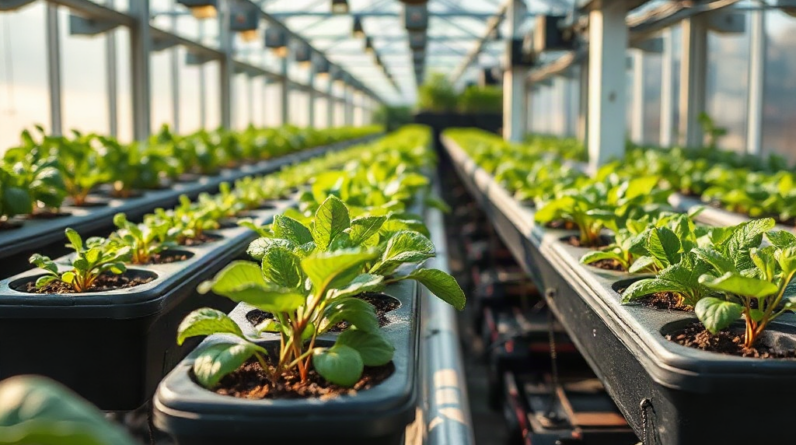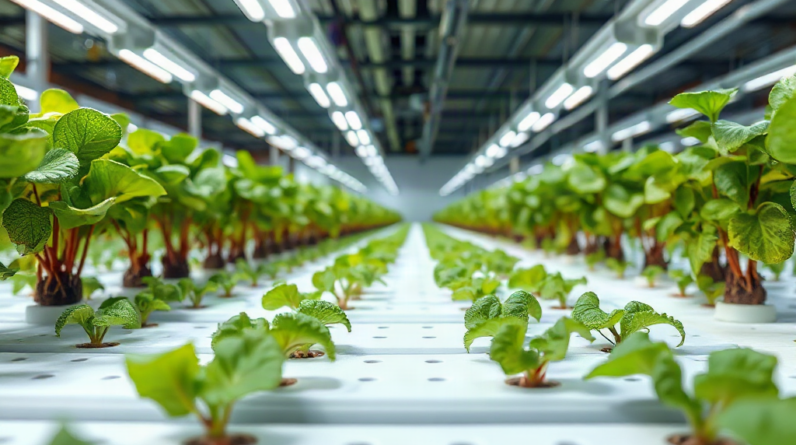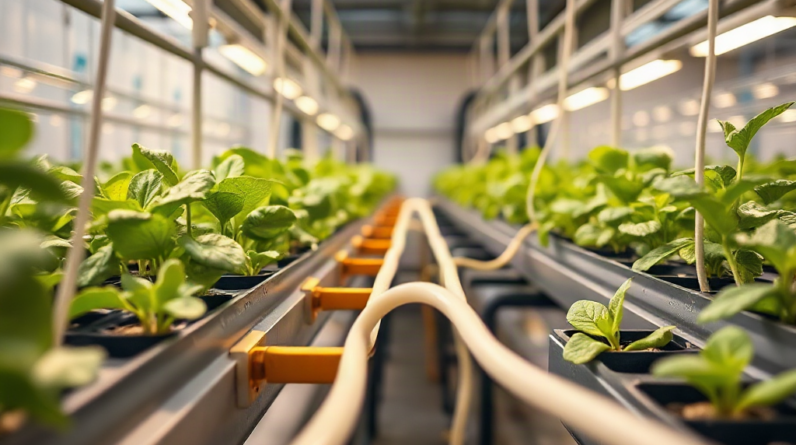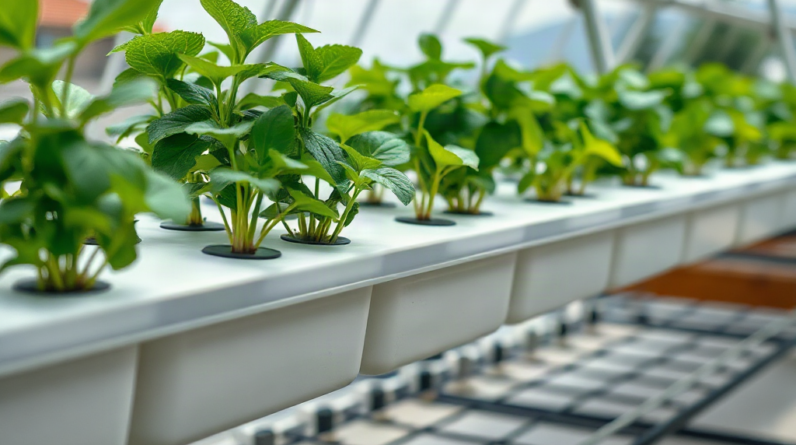
When setting up a hydroponic growing tent, it’s crucial to focus on the right equipment and environmental conditions. Key components include grow lights, ventilation systems, hydroponic systems (such as deep water culture or nutrient film technique), and monitoring tools for temperature and humidity. Common mistakes include neglecting proper ventilation, which can lead to heat buildup and plant stress, and failing to monitor nutrient levels, which can affect plant growth.
Moreover, understanding the specific needs of the plants being grown is vital. For instance, different plants require varying light intensities and nutrient concentrations. A common error is using a one-size-fits-all approach to lighting and nutrients, which can hinder plant development. Therefore, tailoring the setup to the specific requirements of the plants will yield better results.
Choosing the Right Hydroponic System
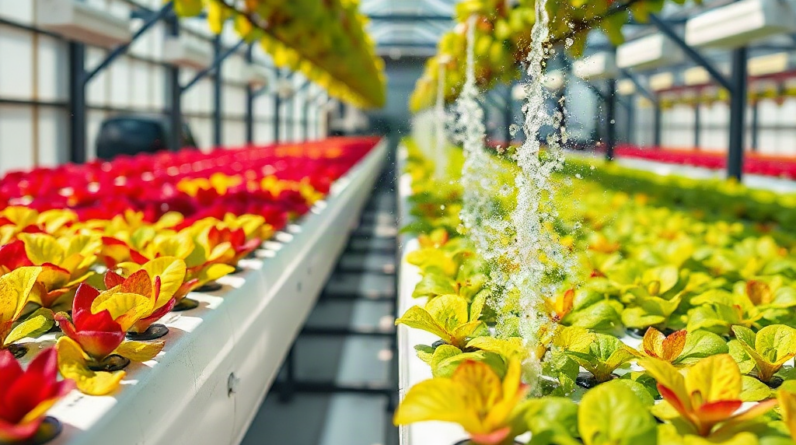
Selecting the appropriate hydroponic system is the foundation of a successful growing tent. Various systems exist, including nutrient film technique (NFT), deep water culture (DWC), and aeroponics. Each has unique benefits and challenges, making it essential to match the system with your gardening goals and plant types.
For example, NFT is ideal for fast-growing plants like lettuce, while DWC is better suited for larger plants that require more root space. Understanding the flow of nutrients and water in each system will help prevent issues like root rot or nutrient deficiencies. Prioritize systems that align with your experience level and the specific plants you intend to grow.
Additionally, consider the space available in your tent. Some systems require more vertical height, while others may need more floor space. Assessing these requirements early on can save time and frustration later.
Essential Equipment for Your Hydroponic Growing Tent
Equipping your hydroponic growing tent with the right tools is crucial for optimal plant growth. Essential equipment includes grow lights, fans, a hydroponic reservoir, and pH meters. Grow lights, such as LED or HPS, provide the necessary spectrum for photosynthesis and should be chosen based on the types of plants being grown.
Ventilation is another critical aspect. Proper air circulation prevents heat buildup and reduces humidity, which can lead to mold growth. Fans should be strategically placed to ensure even airflow throughout the tent. Additionally, a hydroponic reservoir must be adequately sized to support your chosen system and provide enough nutrient solution for your plants.
Investing in quality equipment can significantly impact the success of your indoor garden. Cheaper alternatives may save money upfront but can lead to higher costs due to inefficiency or plant loss. Prioritize quality and reliability in your equipment choices.
Setting Up Your Hydroponic Growing Tent
Setting up your hydroponic growing tent involves careful planning and execution. Start by selecting a suitable location with access to power and water. Once the tent is in place, install the grow lights, ensuring they are positioned at the correct height for your plants. Follow the manufacturer’s guidelines for light distance to avoid light burn or insufficient light.
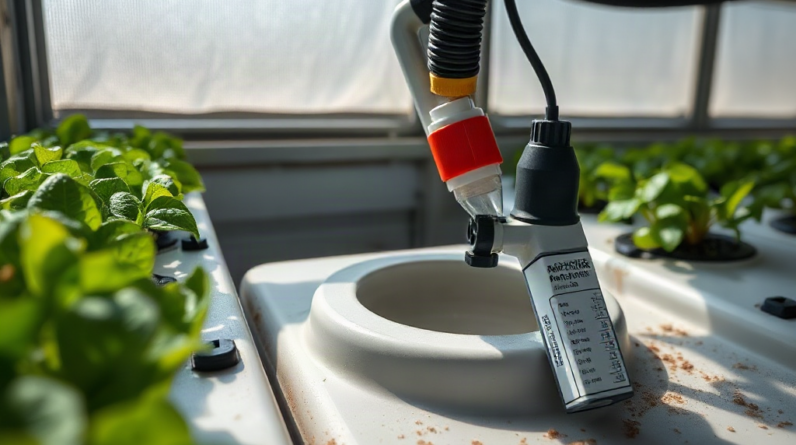
Next, set up the hydroponic system according to the chosen method, ensuring all components are secure and leak-free. Fill the reservoir with water and add the necessary nutrients, adjusting the pH to the optimal range for your plants. Regularly monitoring pH and nutrient levels is essential for maintaining plant health.
Finally, consider the layout of your plants within the tent. Space them appropriately to allow for growth and airflow. Overcrowding can lead to competition for light and nutrients, ultimately hindering growth. A well-planned layout promotes healthy development and maximizes yield.
Common Mistakes to Avoid
Many novice growers encounter pitfalls that can derail their hydroponic efforts. One of the most common mistakes is neglecting to monitor environmental conditions. Temperature and humidity can fluctuate significantly within a tent, impacting plant health. Invest in reliable monitoring tools to stay informed and make adjustments as needed.
Another frequent error is overwatering or underwatering plants. Hydroponic systems require specific water levels to function correctly. Understanding the needs of your plants and observing their growth patterns can help prevent issues related to water supply.
Additionally, failing to research the specific needs of the plants being grown can lead to nutrient deficiencies or excesses. Always tailor your nutrient solution to the crop type and stage of growth. Regularly revisiting your setup and practices will help you identify and rectify these issues before they escalate.
Further Reading
For those interested in expanding their knowledge of hydroponic gardening, consider the following resources:
Authoritative Sources
- Hydroponics Basics
hydroponics.comThis resource offers comprehensive insights into hydroponic systems and techniques
- Gardening Know How
gardeningknowhow.comA reliable source for general gardening information, including hydroponic tips
- Maximum Yield
maximumyield.comProvides expert articles on hydroponics and indoor gardening
- HortiDaily
hortidaily.comOffers news and articles on current trends in hydroponics and horticulture
Frequently Asked Questions
What types of plants can I grow in a hydroponic growing tent?
You can grow a wide variety of plants, including leafy greens, herbs, and even fruits like tomatoes and peppers, depending on your hydroponic system.
How often should I check the pH level in my hydroponic system?
It’s advisable to check the pH level at least once a week, or more frequently if you notice any plant stress or growth issues.
Do I need special lights for my hydroponic growing tent?
Yes, using full-spectrum grow lights, such as LEDs or HPS, is essential to provide the necessary light spectrum for plant growth.
How much space do I need for a hydroponic growing tent?
The space required depends on the size of the tent and the type of plants you wish to grow. A small tent can suffice for herbs, while larger setups are needed for bigger plants.
What is the best hydroponic system for beginners?
Deep water culture (DWC) is often recommended for beginners due to its simplicity and effectiveness in growing various plants.
Conclusion
In conclusion, a hydroponic growing tent can significantly enhance your indoor gardening experience by providing a controlled environment for optimal plant growth. By carefully selecting the right hydroponic system, equipping your tent with essential tools, and avoiding common mistakes, you can create a thriving indoor garden. Remember to tailor your setup to the specific needs of your plants and regularly monitor environmental conditions to ensure success. With the right approach, your hydroponic growing tent can yield abundant and healthy plants.