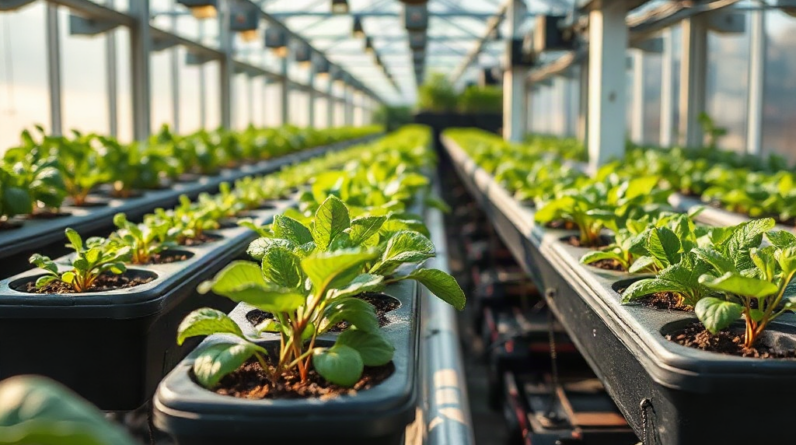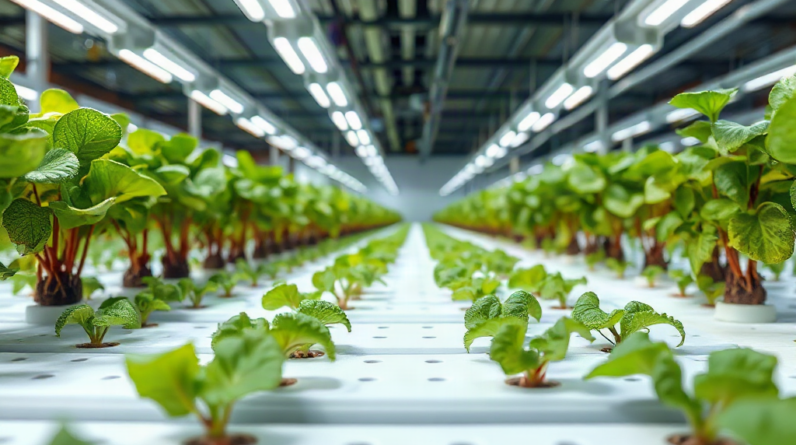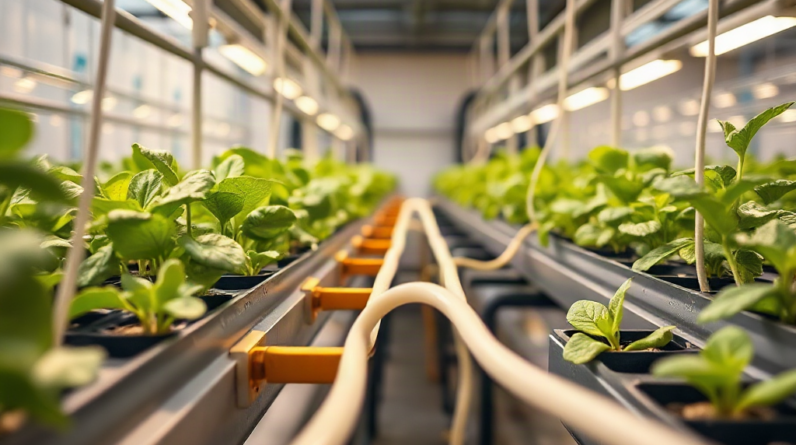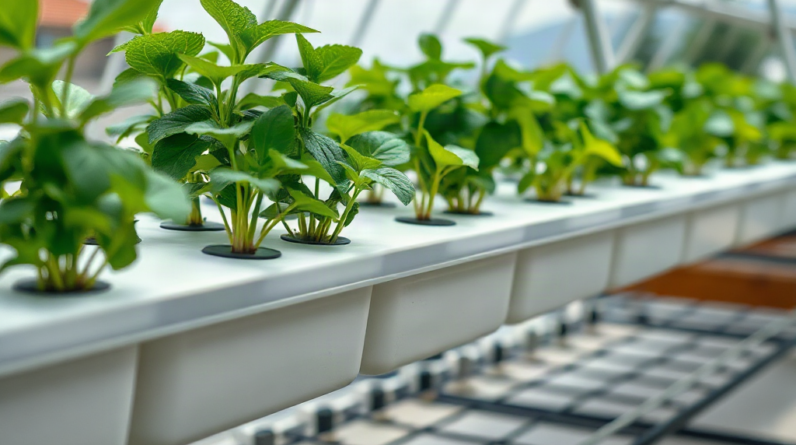
An automated hydroponic system integrates technology to efficiently grow plants without soil, providing an innovative solution for modern agriculture. This system utilizes nutrient-rich water solutions and controlled environments to optimize growth conditions, ensuring that plants receive the right amount of nutrients, light, and water at all times. The automation allows for precise management of these variables, leading to healthier plants and increased yields.
Understanding the essential components of an automated hydroponic system is crucial for anyone looking to maximize productivity and minimize resource waste. The primary elements include pumps for nutrient delivery, timers for regulating light and water cycles, sensors for monitoring environmental conditions, and grow lights to provide the necessary light spectrum for photosynthesis. Neglecting any of these components can lead to suboptimal plant growth and wasted resources.
Moreover, the choice of hydroponic system type—such as nutrient film technique (NFT), deep water culture (DWC), or aeroponics—affects the overall efficiency and maintenance requirements. Each system has its own set of best practices and challenges, so selecting the right one based on your goals and available resources is essential. For instance, while NFT systems are efficient in water use, they require constant monitoring to prevent pump failures which can lead to plant stress.
Key Components of Automated Hydroponic Systems
The backbone of any automated hydroponic system is its core components, which include pumps, timers, sensors, and grow lights. Pumps are essential for circulating nutrient solutions to the plants, ensuring they receive adequate nourishment. Timers help regulate watering schedules and light exposure, creating an optimal growing environment.
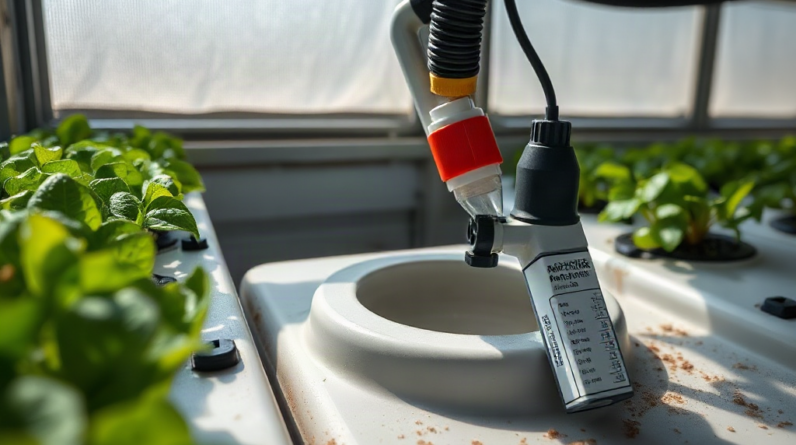
Sensors play a critical role in monitoring environmental conditions, such as pH levels, nutrient concentration, and temperature. By continuously gathering data, these sensors allow for real-time adjustments to the system, enhancing plant growth and health. Lastly, grow lights provide the necessary light spectrum for photosynthesis, especially in indoor setups where natural light may be insufficient.
Types of Automated Hydroponic Systems
There are several types of automated hydroponic systems, each with unique characteristics and advantages. Nutrient Film Technique (NFT) is popular for its efficient use of water and nutrients. In this system, a thin film of nutrient solution flows over the roots of the plants, providing them with everything they need.
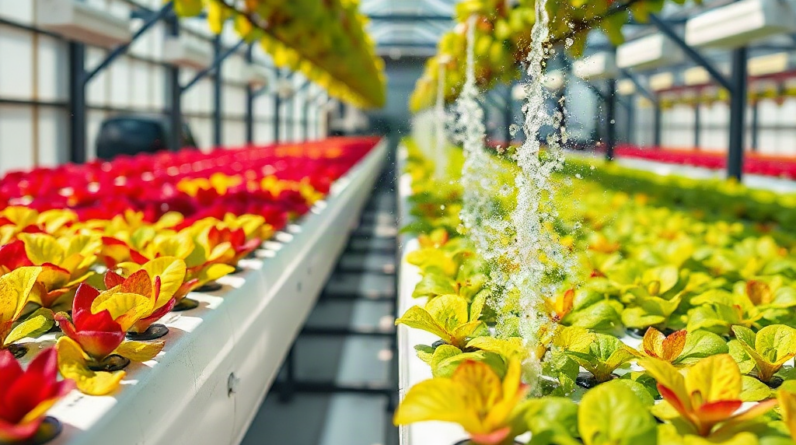
Deep Water Culture (DWC) is another effective method, where plant roots are submerged in oxygen-rich nutrient solution. This technique supports rapid growth due to the high availability of nutrients and oxygen. Aeroponics, which involves spraying nutrient solution directly onto the roots, is also gaining popularity for its efficiency and space-saving design. Each system type has its own maintenance requirements and operational challenges, so it’s essential to choose one that aligns with your gardening goals.
Common Mistakes and Pitfalls
Even experienced growers can make mistakes when setting up automated hydroponic systems. One common pitfall is neglecting regular maintenance of pumps and sensors, which can lead to equipment failures and plant stress. Additionally, over-reliance on automation can result in growers overlooking important aspects of plant care, such as visual inspections and adjustments based on plant health.
Another frequent error is improperly balancing nutrient solutions, which can lead to nutrient deficiencies or toxicities. Regular testing and adjustments based on plant growth stages are crucial to avoid these issues. Understanding the specific needs of the plants being grown is vital for success.
Benefits of Automation in Hydroponics
The benefits of automation in hydroponics are significant. Automated systems reduce labor costs by minimizing the need for manual intervention, allowing growers to focus on other aspects of their operations. They also enhance consistency in growth conditions, leading to healthier plants and higher yields.
Moreover, automation can optimize resource use, including water and nutrients. By employing precise control over these inputs, growers can achieve more sustainable practices, reducing waste and environmental impact. Automation also allows for scalability, making it easier to expand operations as demand grows.
For more in-depth information on automated hydroponic systems, consider reviewing official documentation from agricultural extension services or recognized publications in hydroponic research. These resources can provide valuable insights into best practices and latest innovations in the field.
Frequently Asked Questions
What is an automated hydroponic system?
An automated hydroponic system uses technology to grow plants without soil, utilizing nutrient-rich water solutions and controlled environments to enhance plant growth.
What are the main components of an automated hydroponic system?
The key components include pumps, timers, sensors, and grow lights, all of which work together to optimize plant growth conditions.
How does automation benefit hydroponic gardening?
Automation reduces labor costs, enhances consistency in growth conditions, optimizes resource use, and allows for easier scalability of operations.
What types of automated hydroponic systems are available?
Common types include Nutrient Film Technique (NFT), Deep Water Culture (DWC), and aeroponics, each with unique advantages and challenges.
What mistakes should I avoid in automated hydroponics?
Common mistakes include neglecting maintenance of equipment, improperly balancing nutrient solutions, and overlooking plant health signals.
Further Reading
Authoritative Sources
- Automated Hydroponic System with Optimized Plant Growth ...
iarjset.comThe system utilizes an Arduino Uno microcontroller to control pH, electrical conductivity (EC), water level, and temperature, while a spectrum-adjustable LED ...
- AUTOMATED HYDROPONIC SYSTEM BUILD
blog.adafruit.comIn this article and accompanying video, I'll show you how to built a hydroponic system with basic components and automate it using the open ...
- Automated Hydroponic System Design | PDF
scribd.comIt would include sensors to monitor conditions, a microcontroller to control the system, and adjust nutrient/water levels as needed for optimal plant growth.
- Automated Hydroponic system
kth.diva-portal.orgThis report includes research into how to automate a small scale system for hydroponics. Hydroponics is a growing technique which features a ...
Conclusion
In conclusion, an automated hydroponic system offers a modern approach to growing plants efficiently and sustainably. Understanding its essential components, types, and potential pitfalls is crucial for success. By prioritizing proper maintenance and monitoring, growers can maximize their yields while minimizing resource waste. With the right setup and knowledge, anyone can harness the benefits of automated hydroponics to achieve thriving plants and productive gardens.