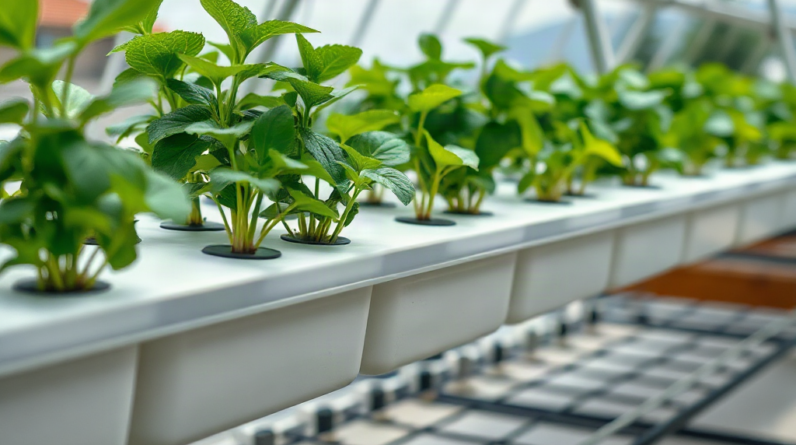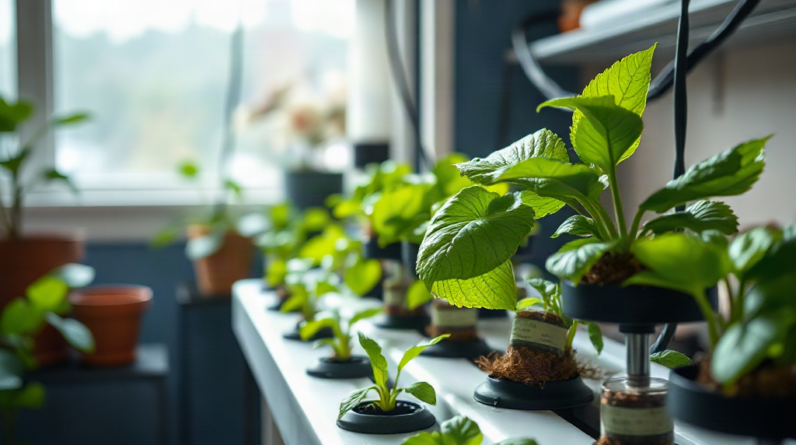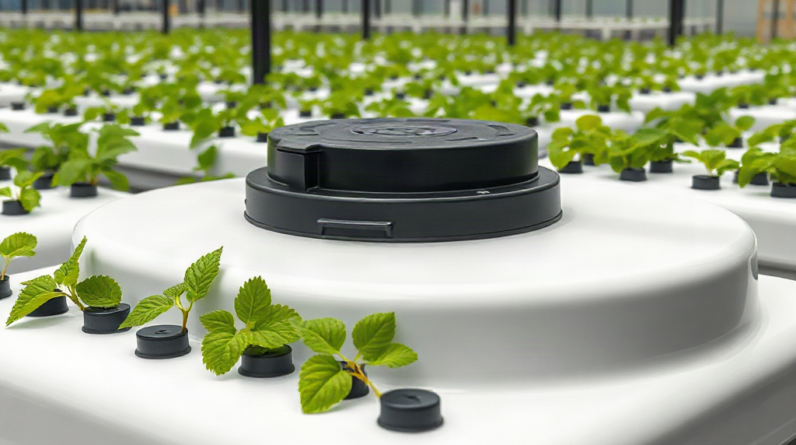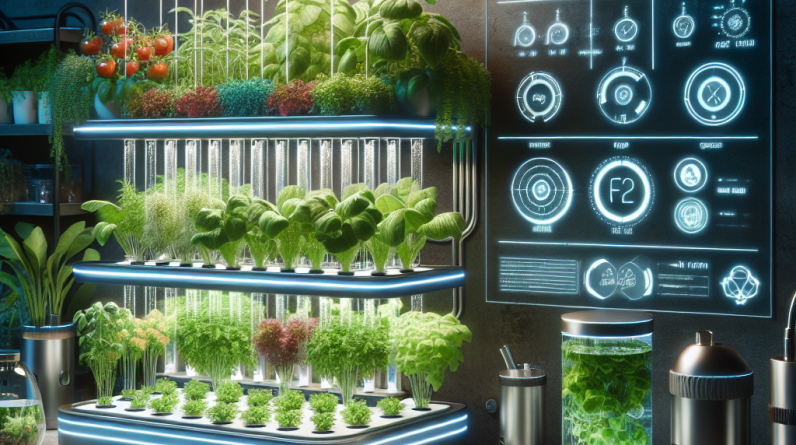
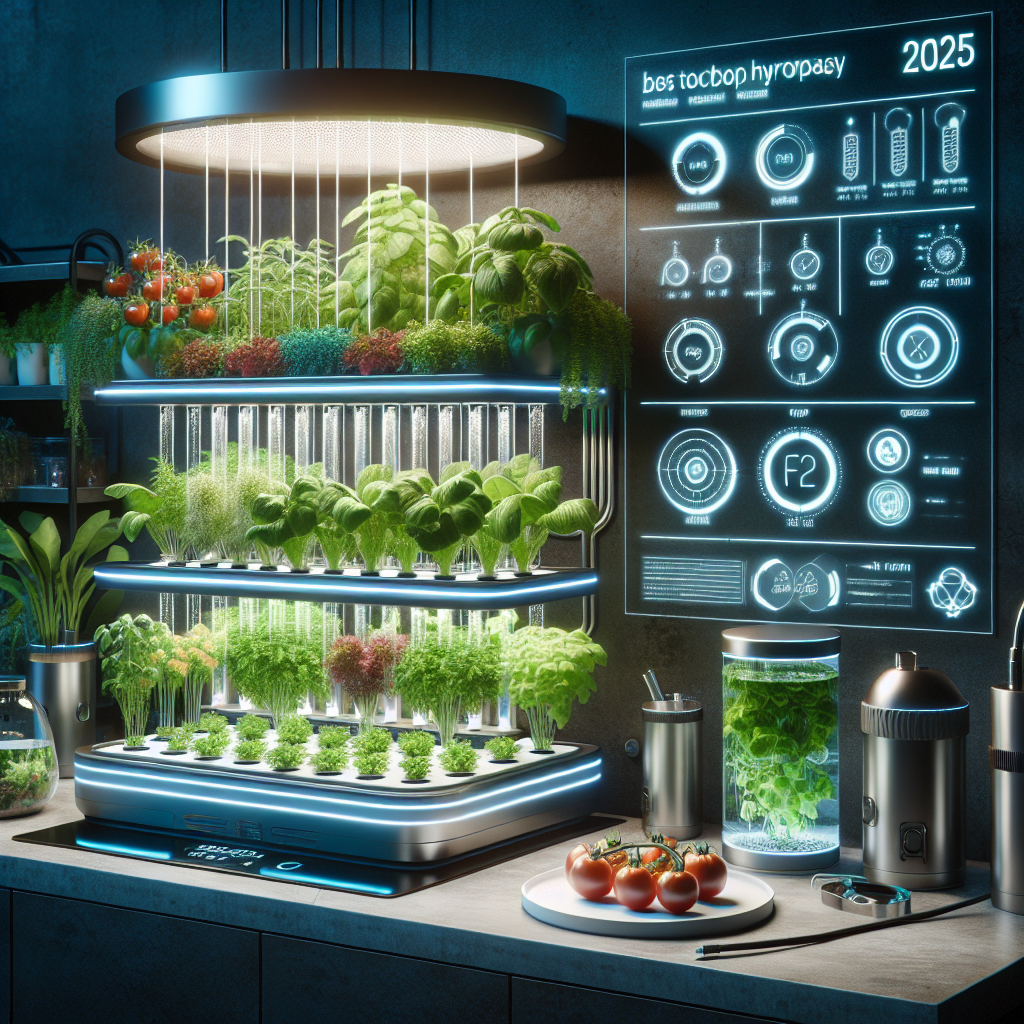
If you want to grow fresh food at home without the hassles of soil, a simple hydroponic garden might be the perfect solution. This method allows you to cultivate plants in a nutrient-rich water solution, making it a practical choice for urban dwellers or those with limited outdoor space. A hydroponic setup can yield quick results, providing you with fresh herbs, vegetables, and even fruits, all while requiring minimal maintenance compared to traditional gardening.
However, many newcomers to hydroponics fall into common pitfalls that can lead to frustration or failure. A prevalent misconception is that hydroponics is a complex and expensive endeavor meant only for experts. In reality, starting a simple hydroponic garden can be straightforward and affordable. Key considerations include selecting the right system, understanding the nutrient needs of your plants, and ensuring proper light conditions. Each of these elements plays a crucial role in the success of your garden, and neglecting any one of them can hinder your efforts and yield poor results.
As you embark on your hydroponic journey, it’s essential to prioritize your setup based on your available space, budget, and the types of plants you wish to grow. For instance, a basic setup can be as simple as a few containers and a nutrient solution, while more advanced systems may involve pumps and grow lights. Understanding these trade-offs will help you make informed decisions that suit your lifestyle and gardening goals. With that in mind, let’s explore the essentials of creating your own simple hydroponic garden.
Understanding Hydroponic Systems
A hydroponic system is essentially a method of growing plants without soil, utilizing nutrient-rich water instead. There are several types of hydroponic systems, including deep water culture, nutrient film technique, and aeroponics. Each system has its unique advantages and challenges, making it crucial to select one that aligns with your gardening goals and available space.
Many beginners mistakenly assume that all hydroponic systems are equally suited for every type of plant. In reality, some systems are better for leafy greens, while others excel with fruiting plants like tomatoes or peppers. It’s vital to assess your priorities—whether it’s ease of setup, maintenance, or the types of crops you wish to grow. For instance, deep water culture is often recommended for newcomers due to its simplicity, requiring minimal equipment and providing consistent results.
Choosing the Right Plants for Your Garden
Selecting the appropriate plants for your hydroponic garden can greatly influence your success. Leafy greens such as lettuce and spinach are often recommended for beginners, as they have lower nutrient requirements and grow quickly. Herbs like basil and mint also thrive in hydroponic systems, providing fresh flavors for your kitchen. On the other hand, fruiting plants may require more attention and specific conditions to flourish.
A common mistake is underestimating the growth conditions needed for various plants. For example, tomatoes and peppers need more light and space compared to leafy greens. If you’re limited in resources, it’s wise to start with easier crops to build confidence and understand the system before venturing into more demanding plants. As your experience grows, you can experiment with a broader range of vegetables and fruits.
Setting Up Your Hydroponic Garden
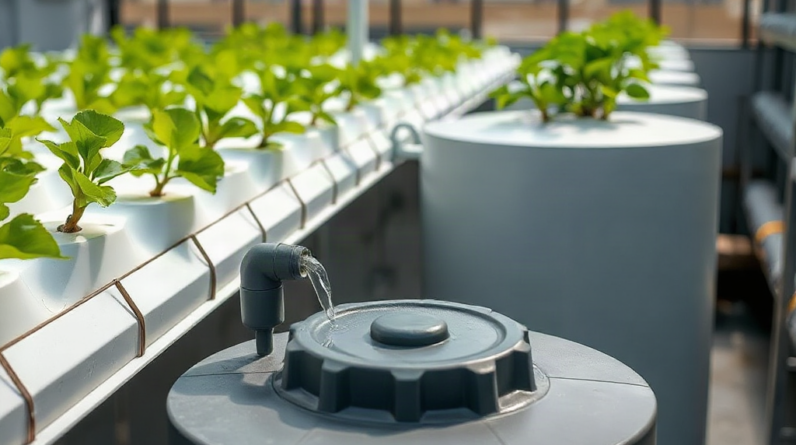
Establishing a simple hydroponic garden begins with selecting the right location. A space that receives adequate sunlight—ideally, 6 to 8 hours a day—is crucial, or you may need to invest in grow lights. Once you’ve identified your space, the next step is to choose your hydroponic system. A basic deep water culture setup requires a container, a water pump, and an air stone to oxygenate the water.
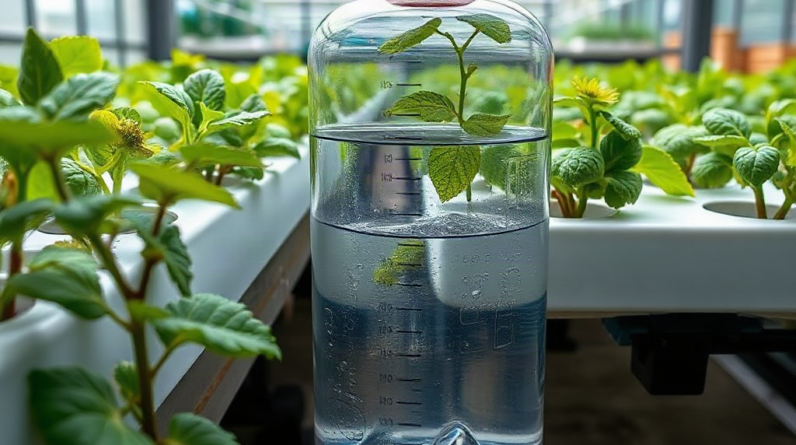
Many beginners overlook the importance of water quality and pH levels. Tap water can contain chlorine and other chemicals that may harm your plants, so it’s often best to use filtered or distilled water. Additionally, maintaining the right pH level (generally between 5.5 and 6.5) ensures your plants can absorb nutrients effectively. Regular monitoring and adjustments are essential, as neglecting these factors can lead to nutrient deficiencies and plant stress.
Maintaining Your Hydroponic System
Once your hydroponic garden is set up, ongoing maintenance is crucial for optimal growth. Regularly check the nutrient solution to ensure it remains balanced and free from algae. Changing the water every two weeks is a good practice, as this helps prevent the buildup of harmful pathogens and maintains nutrient levels. Additionally, closely monitor your plants for signs of nutrient deficiencies or pests, as early detection can prevent larger issues.
Many newcomers become overly focused on their plants, inadvertently neglecting the system’s mechanics. For example, pumps can fail, and lights can burn out, so it’s wise to have backup equipment or a plan in place. Familiarizing yourself with your system’s components and how they work will empower you to troubleshoot effectively, ensuring your garden remains healthy and productive.
Further Reading
Authoritative Sources
- Hydroponics.org
hydroponics.orgA comprehensive resource for hydroponic gardening techniques, systems, and troubleshooting tips
- Gardening Know How
gardeningknowhow.comOffers practical advice on various gardening methods, including hydroponics, with a focus on troubleshooting
- National Extension Association of Family & Consumer Sciences
extension.orgProvides educational resources on hydroponics and home gardening, backed by research and extension services
Frequently Asked Questions
What is the best hydroponic system for beginners?
Deep water culture is often recommended for beginners due to its simplicity and ease of maintenance, making it an ideal starting point.
How much space do I need for a hydroponic garden?
The space required depends on the system you choose; a small countertop setup can work for a few herbs, while larger systems may need more room for plants to grow.
How often should I change the water in my hydroponic system?
It’s advisable to change the water every two weeks to maintain nutrient balance and prevent algae growth.
Can I use tap water in my hydroponic system?
While you can use tap water, it’s better to use filtered or distilled water to avoid harmful chemicals that may affect plant growth.
What are common mistakes in hydroponic gardening?
Common mistakes include neglecting pH and nutrient levels, overwatering, and choosing unsuitable plants for the chosen system.
Conclusion
Starting a simple hydroponic garden can be a rewarding way to grow fresh food with minimal resources. By understanding the key components of hydroponic systems, selecting the right plants, and maintaining your setup diligently, you can cultivate a thriving indoor garden. Prioritize learning and adapting your approach based on your experiences, and you’ll find that the benefits of homegrown produce are well worth the effort.
Related Content
- Assemble a First Hydroponic System in Sequence—An 4-Step Build Checklist
- Can Any Seed Be Grown Hydroponically?
- Budget-Friendly Hydroponic Systems That Deliver Results
- Hydroponic System Insurance And Water Damage: Coverage Gaps, Claims Steps, And Prevention
- How to Set Up a Hydroponic System Indoors: Step-by-Step Process for Successful Growth