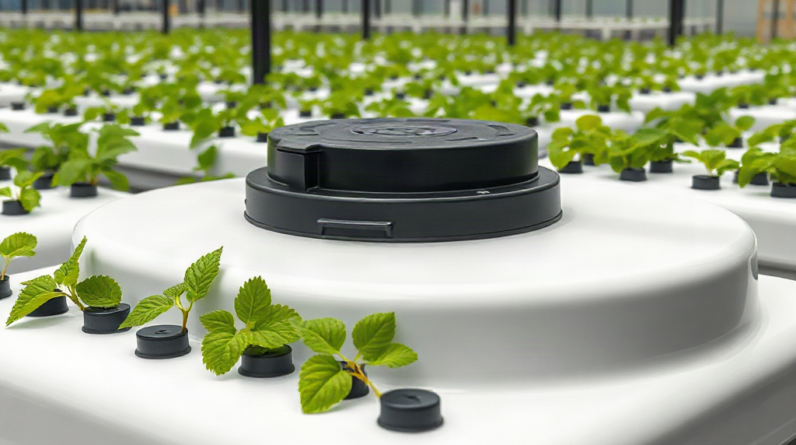

To successfully establish a hydroponic salad garden, it’s crucial to understand the various systems available, such as nutrient film technique (NFT), deep water culture (DWC), and aeroponics. Each system has its own advantages and challenges, so selecting the right one based on your space, budget, and desired crops is essential. Mistakes often arise when growers underestimate the importance of monitoring nutrient levels and pH balance, which can lead to poor plant health.
Another common pitfall is neglecting the light requirements of your plants. Many hydroponic systems rely on artificial lighting, especially for indoor gardens. Understanding the specific light needs for leafy greens, such as lettuce and spinach, will help optimize growth and yield. Additionally, be mindful of pest management, as hydroponically grown plants can still attract pests, necessitating proactive measures to protect your crops.
Choosing the Right Hydroponic System
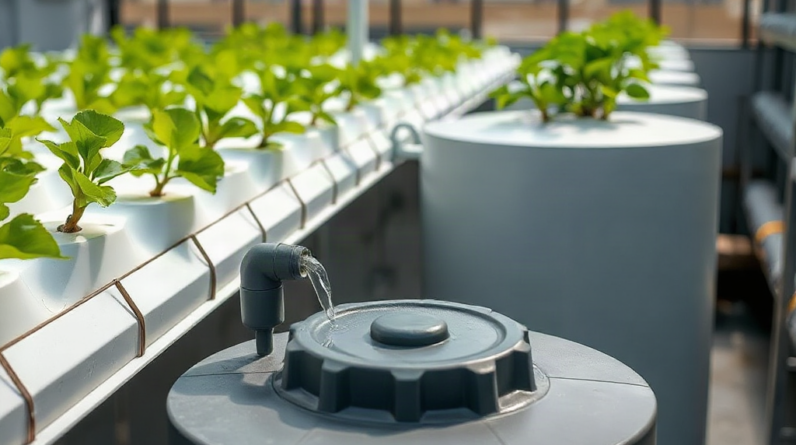
When starting a hydroponic salad garden, the first step is selecting a suitable hydroponic system. Options include nutrient film technique (NFT), deep water culture (DWC), and aeroponics. Each system has distinct characteristics: NFT is efficient for leafy greens due to its constant flow of nutrients, while DWC is simpler and allows roots to grow in nutrient-rich water. Aeroponics, on the other hand, suspends plants and sprays a nutrient solution directly onto the roots, promoting rapid growth.
Consider factors such as available space, budget, and the types of greens you wish to grow. For instance, NFT systems may require more initial investment but yield faster growth rates. On the contrary, DWC systems are more beginner-friendly. Many new gardeners make the mistake of choosing a complex system without fully understanding its requirements, which can lead to frustration and poor results.
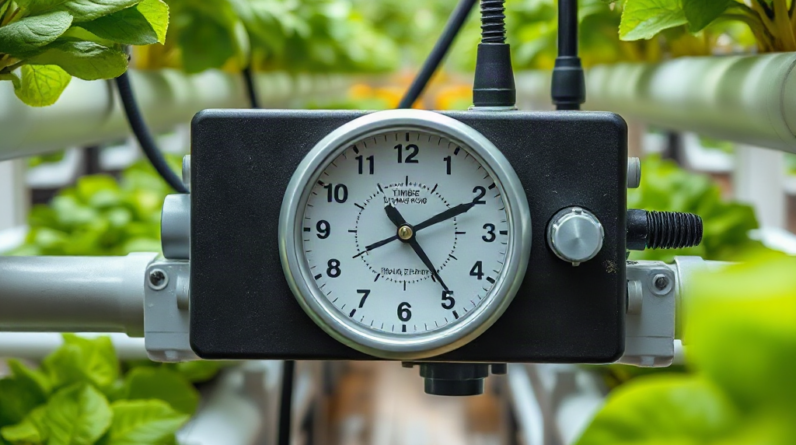
Prioritize understanding the maintenance needs of your chosen system. Regularly check for clogs, ensure proper aeration, and monitor nutrient levels to maintain a healthy environment for your plants. Researching user reviews and experiences with different systems can provide valuable insights into which setup may work best for your situation.
Optimal Nutrient Solutions for Leafy Greens
In a hydroponic salad garden, plants rely entirely on nutrient solutions for their growth. Choosing the right nutrient mix is critical for achieving vibrant and healthy greens. Hydroponic nutrients typically come in concentrated liquid or powdered forms, containing essential elements like nitrogen, phosphorus, potassium, calcium, and magnesium.
It’s important to follow the manufacturer’s guidelines for mixing the nutrient solution, as too much or too little can affect plant growth. A common mistake is failing to adjust the nutrient mix based on the growth stage of the plants. Seedlings require a different nutrient ratio than mature plants, so being attentive to their changing needs will enhance your success.
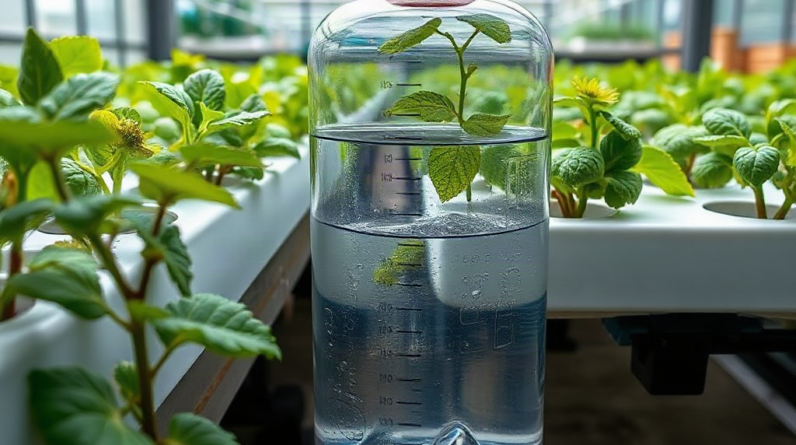
Regularly test the pH and electrical conductivity (EC) of your nutrient solution. Leafy greens thrive in slightly acidic conditions, with a pH range of 5.5 to 6.5. Keeping these parameters in check not only maximizes nutrient uptake but also minimizes the risk of nutrient deficiencies or toxicities.
Lighting Requirements for Hydroponic Gardens
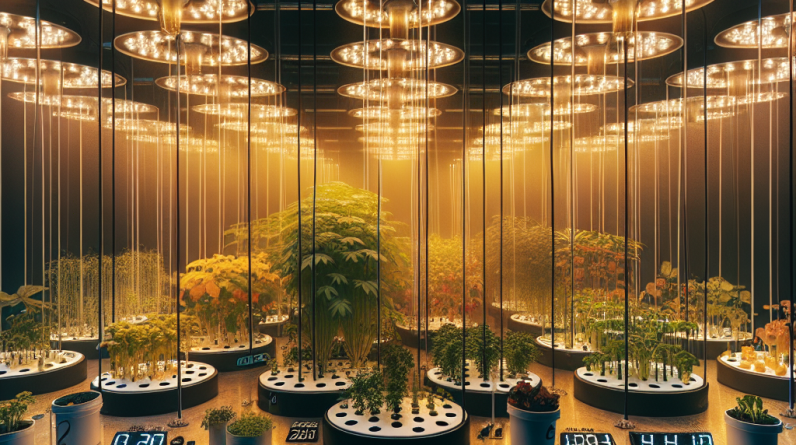
Proper lighting is essential for a thriving hydroponic salad garden, especially if you’re growing indoors. Leafy greens generally require about 12 to 16 hours of light per day, depending on the species and growth stage. LED grow lights are a popular choice due to their energy efficiency and ability to provide the full spectrum of light needed for photosynthesis.
Understanding the light needs of your specific crops is vital. For example, lettuce and spinach flourish under bright, indirect light, while other greens may require more intense lighting. A common mistake is using standard household lights, which may not provide adequate light for optimal growth.
Additionally, consider the distance between the light source and your plants. If the lights are too far away, plants may become leggy and weak in their search for light. Conversely, lights placed too close can cause leaf burn. Regularly adjusting the height of your lights as plants grow will help maintain optimal conditions.
Common Mistakes in Hydroponic Gardening
Even experienced gardeners can make mistakes when transitioning to hydroponics. One common error is overwatering, which can lead to root rot and other issues. Unlike traditional gardening, hydroponics requires careful management of water levels, as plants depend entirely on the nutrient solution.
Another frequent pitfall is neglecting to monitor environmental factors such as temperature and humidity. Leafy greens thrive in a controlled environment with temperatures between 65°F and 75°F (18°C and 24°C). High humidity levels can promote mold growth, while excessively dry conditions can hinder growth.
Finally, new hydroponic gardeners often underestimate the importance of pest management. Even in a soil-free environment, pests can still find their way into your garden. Regularly inspect plants for signs of infestation and implement integrated pest management strategies to keep your garden healthy.
Further Reading
Authoritative Sources
- Hydroponics.org
hydroponics.orgThis resource provides comprehensive information on hydroponic gardening techniques and systems
- Gardening Know How
gardeningknowhow.comOffers practical advice on growing hydroponic vegetables, including nutrient management and pest control
- Maximum Yield
maximumyield.comA leading publication in the hydroponics industry, providing tips and innovations in hydroponic gardening
- HortiDaily
hortidaily.comFeatures news and articles about advancements in hydroponic technology and practices
Frequently Asked Questions
What is the best hydroponic system for beginners?
Deep water culture (DWC) is often recommended for beginners due to its simplicity and effectiveness for growing leafy greens.
How often should I change the nutrient solution?
Generally, it’s best to change the nutrient solution every two weeks to prevent nutrient imbalances and maintain plant health.
Can I grow herbs in a hydroponic salad garden?
Yes, many herbs, such as basil and cilantro, thrive in hydroponic systems and can be grown alongside leafy greens.
What common pests should I watch for in hydroponics?
Aphids, spider mites, and whiteflies are common pests in hydroponic gardens, so regular monitoring is essential.
Is hydroponic gardening cost-effective?
While the initial setup can be costly, hydroponics can lead to savings on water and space, and faster crop cycles can offset expenses over time.
Conclusion
Establishing a hydroponic salad garden offers a rewarding way to grow fresh greens year-round, but it requires careful planning and attention to detail. Start by selecting the right system and nutrient solutions, and ensure your plants receive adequate light and environmental conditions. Avoid common pitfalls by regularly monitoring your plants and being proactive about pest management. By prioritizing these aspects, you can enjoy a thriving hydroponic garden that provides healthy, homegrown produce.
Related Content
- How to Test Nutrient Solution for Hydroponics: Essential Methods and Tools
- Evaluating the Impact of Pests on Hydroponic Crops: Damage Scores, Trends, and Action Thresholds
- A Smarter Way to Grow Food in Any Space
- The Ultimate Home Hydroponic System Guide 2025: 7 Effective Tips to Grow Faster
- How to Create a Low-Maintenance Hydroponic System