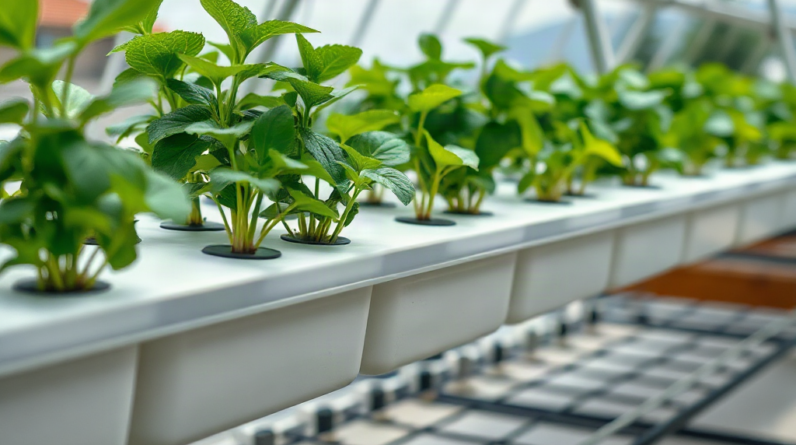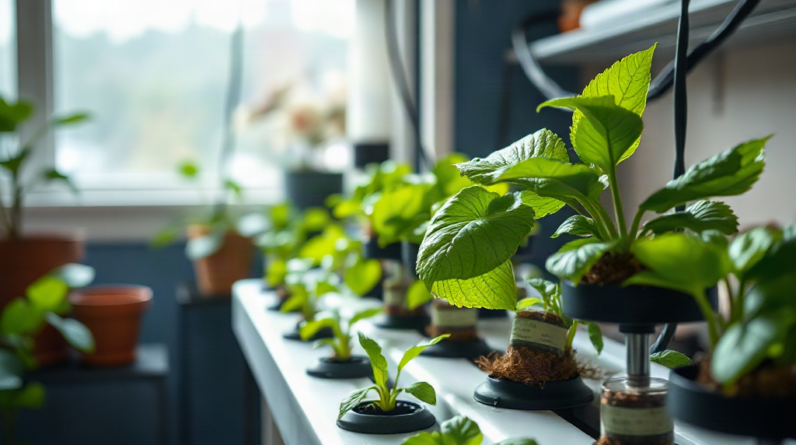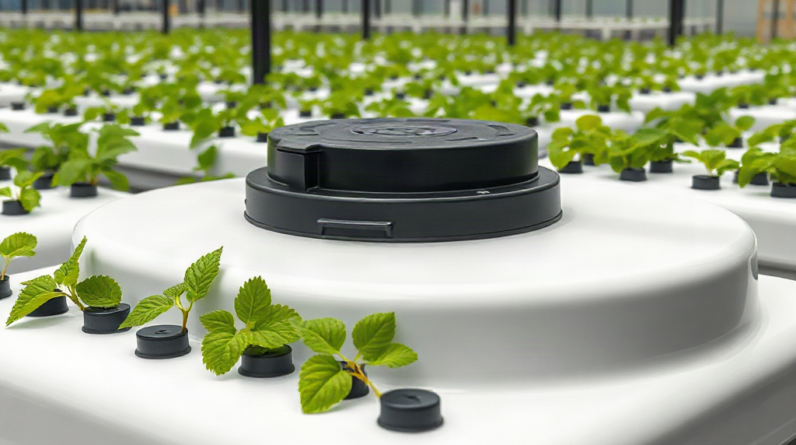
When cultivating plants without natural light, it’s crucial to understand the requirements of the specific plants you are growing, including their light, nutrient, and water needs. Utilizing the right equipment and techniques can lead to successful indoor hydroponic gardens that yield healthy plants and produce. Common mistakes include inadequate lighting intensity or duration, improper nutrient solutions, and neglecting environmental conditions like humidity and temperature.
One key aspect to consider is the choice of grow lights, as different types emit various spectrums of light that affect plant growth. For instance, full-spectrum LED lights are often preferred because they cover a broad range of wavelengths, closely mimicking sunlight. Additionally, maintaining the right distance between the lights and plants is essential to prevent light burn and ensure optimal growth.
Choosing the Right Grow Lights
Selecting the appropriate grow lights is vital for successful hydroponic cultivation without sunlight. Full-spectrum LED lights are highly recommended as they provide a balanced light spectrum that supports all growth stages. These lights are energy-efficient and can be adjusted in intensity and duration to match the needs of different plants.
Understanding the light requirements of specific plants can guide your choice. For example, leafy greens may thrive with less intense light compared to fruiting plants like tomatoes. Additionally, the placement of the lights should be adjustable to accommodate plant growth and prevent light burn.
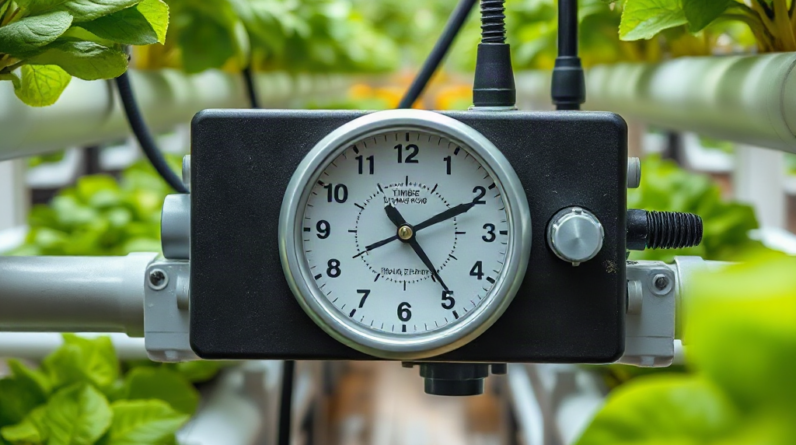
Many growers often underestimate the importance of light duration. Most plants require 12 to 18 hours of light per day, depending on their growth stage. This means investing in a timer can help automate the light cycle, ensuring consistent exposure and reducing the risk of human error.
Nutrient Solutions for Hydroponics
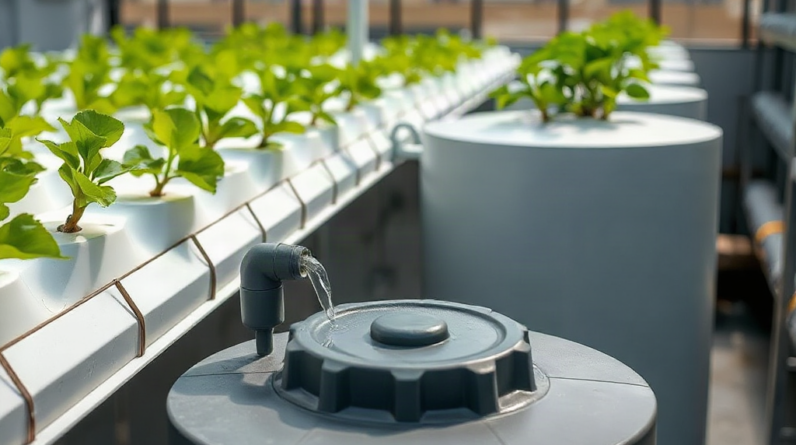
The success of hydroponic systems largely depends on the nutrient solutions used. Unlike soil-based gardening, hydroponics relies on nutrient-rich water to feed plants directly. It’s essential to use a balanced nutrient formulation that includes macro and micronutrients.
Many growers purchase pre-mixed nutrient solutions specifically designed for hydroponics, which simplifies the process. However, understanding the nutrient ratios and adjusting them based on plant growth stages can enhance outcomes. For instance, during the vegetative stage, nitrogen is crucial, while phosphorus and potassium are vital during flowering.
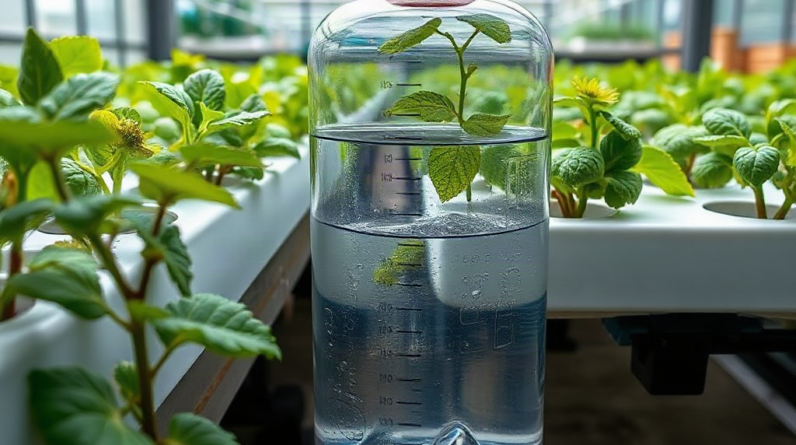
Regular monitoring of the pH and electrical conductivity (EC) of the nutrient solution is equally important. Maintaining the optimal pH range (typically between 5.5 and 6.5) ensures nutrient availability. Failing to monitor these factors can lead to nutrient lockout, where plants cannot absorb essential nutrients, stunting their growth.
Maintaining Optimal Environmental Conditions
Even without sunlight, maintaining optimal environmental conditions is crucial for hydroponic success. Factors such as temperature, humidity, and air circulation play significant roles in plant health. Most plants thrive in temperatures between 68°F and 77°F (20°C to 25°C), and proper ventilation is needed to avoid heat buildup.
Humidity levels should also be monitored and adjusted as needed. High humidity can lead to mold growth, while low humidity can cause plants to wilt. Using a hygrometer can help track these levels, and implementing humidifiers or dehumidifiers can assist in maintaining ideal conditions.
Additionally, ensuring adequate air circulation is vital for preventing diseases and promoting healthy growth. Fans can help circulate air and strengthen plant stems, making them more resilient. Many growers overlook this aspect, leading to stagnant air and increased risk of fungal infections.
Common Mistakes to Avoid
When growing hydroponically without sunlight, several common mistakes can hinder success. One prevalent issue is inadequate light exposure, either from poor-quality lights or improper placement. It’s essential to regularly check the positioning of grow lights to ensure plants receive adequate light.
Another mistake is neglecting to monitor nutrient levels and pH. Regular testing ensures that plants receive the right balance of nutrients and prevents issues like nutrient lockout. Additionally, many growers fail to account for plant growth stages when adjusting nutrient solutions, leading to deficiencies or excesses.
Lastly, not maintaining proper environmental conditions can lead to significant problems. Ignoring temperature and humidity can result in poor plant health. It’s vital to invest in monitoring equipment and adjust conditions as needed to foster a thriving hydroponic environment.
Further Reading
Authoritative Sources
- Hydroponics 101
hydroponics.comA comprehensive resource covering the basics of hydroponics, including lighting, nutrients, and environmental conditions
- Grow Weed Easy
growweedeasy.comDetailed guides on growing cannabis hydroponically, with insights into lighting and nutrient management
- Maximum Yield
maximumyield.comArticles and resources on various hydroponic methods, equipment, and best practices
Frequently Asked Questions
Can I grow any plant hydroponically without sunlight?
While many plants can be grown hydroponically without sunlight, it’s essential to choose varieties that adapt well to indoor conditions and artificial lighting.
What type of grow light is best for hydroponics?
Full-spectrum LED grow lights are highly recommended as they provide a balanced light spectrum suitable for all stages of plant growth.
How often should I change the nutrient solution?
It’s best to change the nutrient solution every 1-2 weeks, depending on plant growth and water consumption rates, to maintain nutrient balance.
What are the signs of nutrient deficiency in hydroponic plants?
Common signs include yellowing leaves, stunted growth, and poor fruit development, indicating the need for nutrient adjustments.
Is it necessary to use a pH meter for hydroponics?
Yes, using a pH meter is crucial to ensure the nutrient solution is within the optimal range for nutrient absorption.
Conclusion
Growing hydroponically without sunlight is an effective method for indoor plant cultivation, provided that the right techniques and equipment are utilized. Selecting appropriate grow lights, managing nutrient solutions, and maintaining optimal environmental conditions are all critical aspects that contribute to success. By avoiding common mistakes and prioritizing plant health, you can create a thriving indoor garden that yields fresh produce year-round. Start with small steps, continuously monitor your system, and adjust as needed to enhance your hydroponic growing experience.