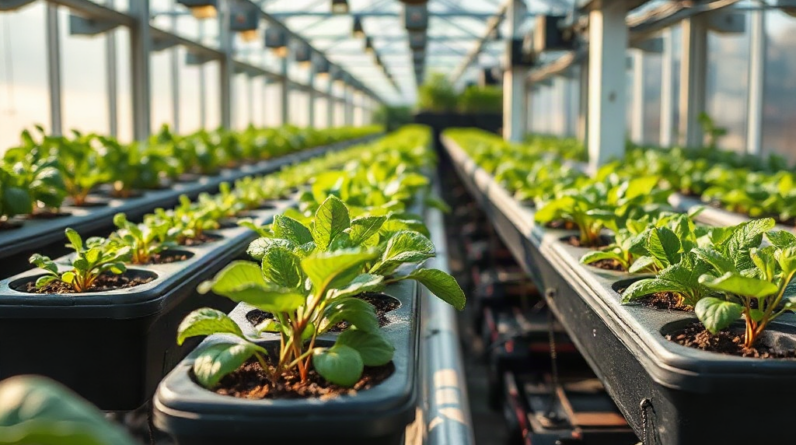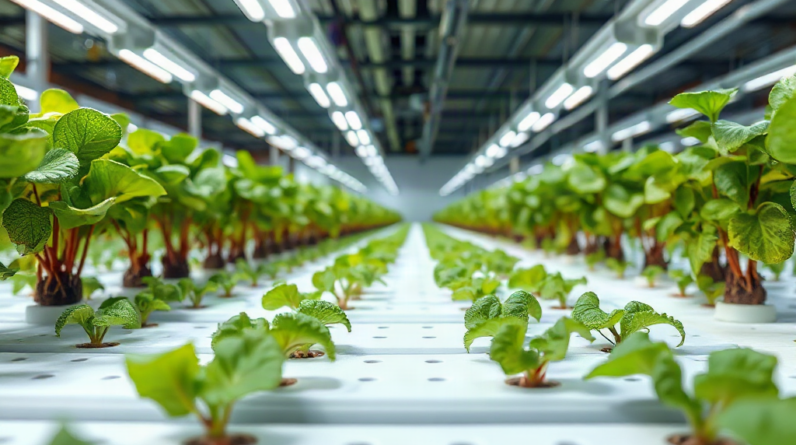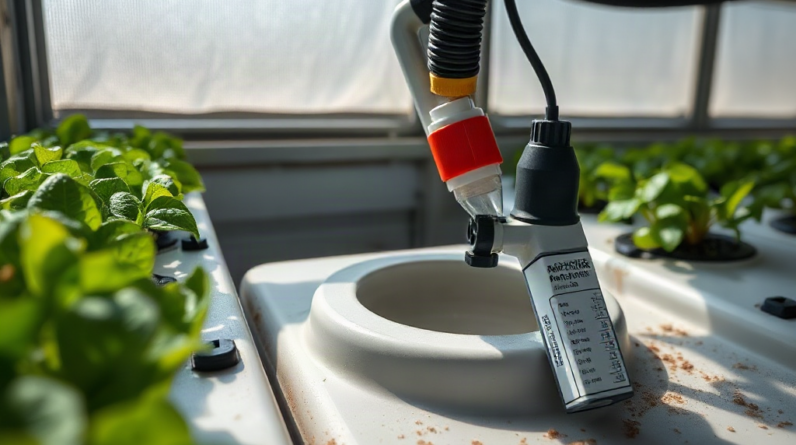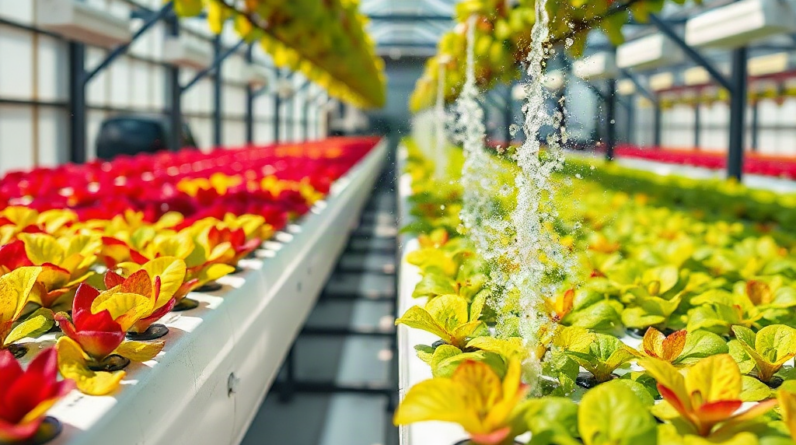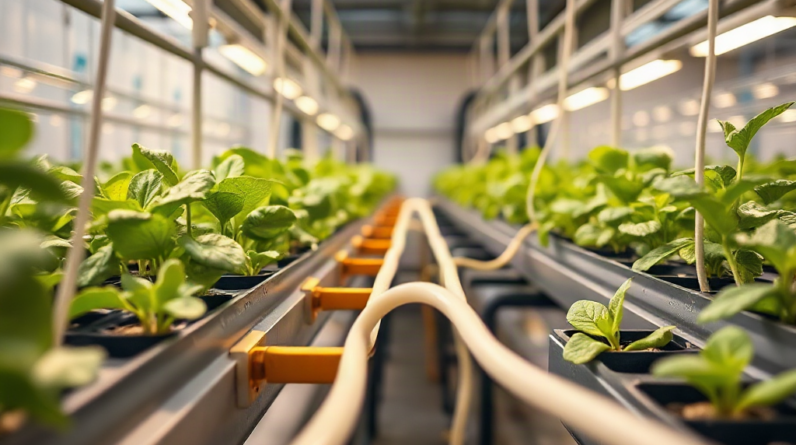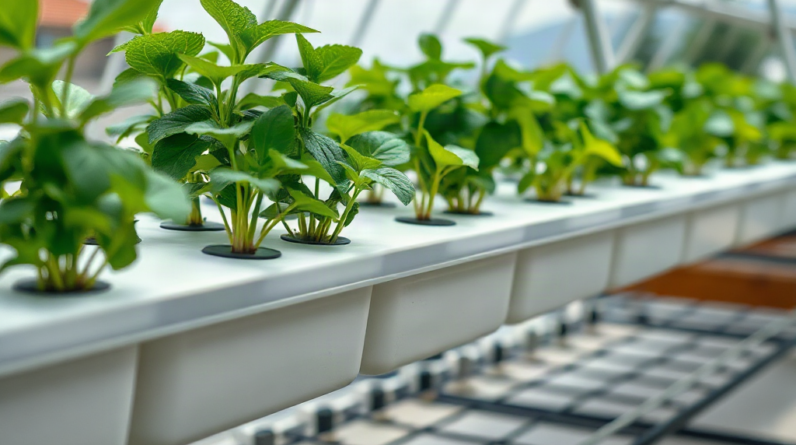
In hydroponic systems, the balance of temperature, humidity, and light is vital. For example, excessive heat can stress plants, while inadequate light can stunt growth. Growers must monitor these variables closely, adjusting systems like HVAC, dehumidifiers, and grow lights to maintain ideal conditions. Failure to do so can lead to poor growth, increased pest problems, and reduced yields.
A common mistake is assuming that traditional gardening principles apply directly to hydroponics. Unlike soil-based systems, where moisture and nutrient levels fluctuate naturally, hydroponics requires precise control. Growers should prioritize understanding their specific system requirements, including the needs of different plant species, to prevent issues related to overwatering or nutrient imbalance.
Understanding Temperature Regulation
Temperature regulation is one of the most critical aspects of hydroponic climate control. Plants typically thrive within a specific temperature range, with most requiring temperatures between 65°F and 75°F (18°C to 24°C) for optimal growth. Deviations from this range can lead to stress and hinder plant development.
To maintain the right temperature, growers can utilize heating and cooling systems. For instance, during colder months, a heating system may be necessary to keep the environment warm enough. Conversely, in hotter months, ventilation and cooling systems can help prevent overheating. Regular monitoring of temperature is essential, as fluctuations can occur rapidly.
One common issue is failing to account for heat generated by grow lights and equipment. Growers should consider the cumulative heat output of all devices in the growing area and adjust their climate control systems accordingly. This proactive approach can prevent temperature spikes that might harm plant growth.
Humidity Control Techniques
Humidity plays a crucial role in the health of hydroponic plants. Ideal humidity levels typically range from 40% to 60%, depending on the plant species. High humidity can promote mold and mildew, while low humidity can lead to dehydration.
To control humidity, growers can use dehumidifiers or humidifiers, depending on their environment’s needs. Regularly checking humidity levels with hygrometers can help in making timely adjustments. It’s also important to ensure adequate air circulation to prevent stagnant air, which can lead to localized humidity issues.
A key mistake is ignoring the impact of plant transpiration on humidity levels. As plants release moisture into the air, humidity can increase, particularly in densely planted areas. Growers should monitor changes in humidity throughout the day and adjust their systems to maintain optimal conditions.
Light Management Strategies
Light is essential for photosynthesis, and managing light levels is crucial for hydroponic success. Most plants require 12 to 16 hours of light per day, but this can vary based on the species. Grow lights should be positioned at the right distance to avoid scorching while providing adequate intensity.
Using timers to control light exposure can help maintain a consistent light schedule. Additionally, growers should consider the spectrum of light provided, as different growth stages require different light spectrums. For instance, blue light promotes vegetative growth, while red light supports flowering.
One area often overlooked is the positioning of grow lights. Shadows cast by taller plants can inhibit growth for those underneath. Growers should regularly assess their light distribution and adjust accordingly to ensure all plants receive sufficient light.
Common Mistakes in Climate Control
Many growers make mistakes in climate control that can negatively impact their hydroponic systems. One frequent issue is over-reliance on automated systems without regular manual checks. While technology can aid in maintaining conditions, it’s crucial to periodically verify that systems are functioning correctly.
Another common pitfall is neglecting the specific needs of different plant species. Each species may have unique requirements for temperature, humidity, and light, and failing to adapt can lead to suboptimal growth. Growers should invest time in understanding the specific needs of their crops.
Finally, many growers overlook the importance of ventilation. Adequate airflow not only helps regulate temperature and humidity but also prevents the buildup of pests and diseases. Ensuring good air circulation should be a top priority in any hydroponic system.
Further Reading
Authoritative Sources
- Hydroponics: The Future of Growing
hydroponics.comThis source provides comprehensive information on hydroponic systems and climate control strategies
- Gardening Know How
gardeningknowhow.comOffers practical advice on managing plant environments, including humidity and temperature control
- Royal HaskoningDHV: Indoor Farming
royalhaskoningdhv.comA detailed resource on the technologies involved in indoor farming and climate optimization
Frequently Asked Questions
What is hydroponic climate control?
Hydroponic climate control involves managing environmental factors like temperature, humidity, and light to optimize plant growth in soil-less systems.
How can I maintain optimal temperature in my hydroponic system?
Use heating and cooling systems to keep temperatures within the ideal range, monitor regularly, and adjust based on your specific setup.
What humidity levels are ideal for hydroponic plants?
Most hydroponic plants thrive at humidity levels between 40% and 60%, which can be managed with dehumidifiers and humidifiers.
How much light do hydroponic plants need?
Hydroponic plants typically require 12 to 16 hours of light daily, with specific spectrum needs depending on their growth stages.
What are common mistakes in hydroponic climate control?
Common mistakes include neglecting manual checks on automated systems, overlooking specific plant needs, and inadequate ventilation.