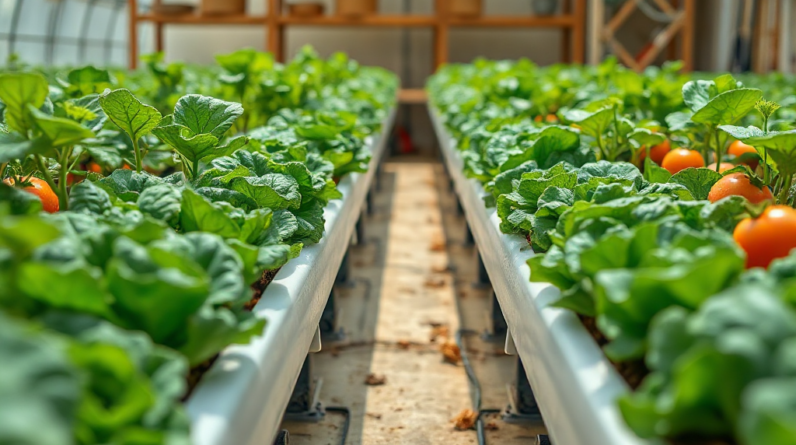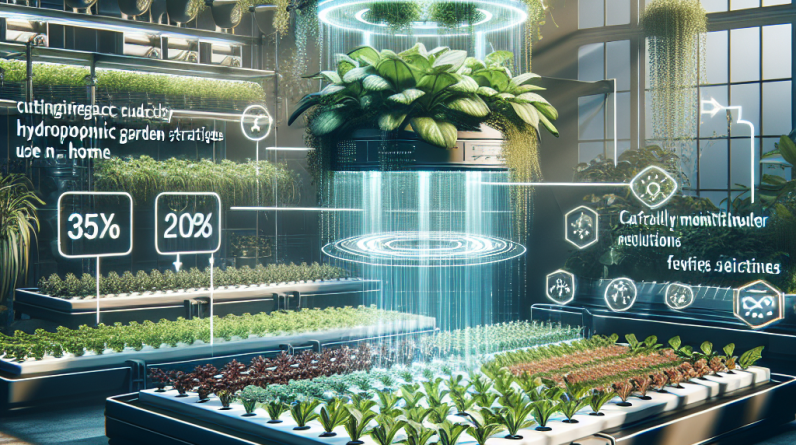
Among the most effective methods are the use of air stones and aeration pumps, which introduce air into the nutrient solution. Another popular approach is the Deep Water Culture (DWC) system, where plant roots are submerged in oxygen-rich water. These techniques not only enhance root respiration but also create a healthier growing environment, ultimately leading to higher yields.
Many growers underestimate the importance of oxygenation in hydroponics. A common mistake is to focus solely on nutrient levels while neglecting oxygen supply. Prioritizing oxygenation can prevent issues such as stunted growth and root diseases, making it imperative for anyone serious about hydroponic gardening.
Understanding Oxygen’s Role in Hydroponics
Oxygen plays a critical role in hydroponic systems as it is essential for root respiration. Roots absorb oxygen to facilitate cellular processes that convert nutrients into energy. Without adequate oxygen, plants can experience slowed growth, nutrient deficiencies, and increased susceptibility to diseases.
In hydroponics, oxygen is typically dissolved in the nutrient solution. The amount of dissolved oxygen (DO) directly affects plant health. Higher levels of DO promote better nutrient uptake, leading to stronger, more resilient plants. Growers should routinely monitor oxygen levels to ensure they remain within optimal ranges.
It is essential to recognize that different hydroponic systems may have varying oxygen requirements. For instance, systems like nutrient film technique (NFT) and aeroponics may require less oxygen compared to DWC systems. Understanding these nuances allows growers to tailor their oxygenation strategies effectively.
Popular Hydroponic Oxygenation Techniques
Several techniques are commonly employed to enhance oxygenation in hydroponic systems. Each method has its advantages and can be selected based on the specific needs of the grower and the plants.
1. Air Stones and Aeration Pumps: Air stones, when connected to an air pump, release fine bubbles into the nutrient solution, increasing oxygen diffusion. This method is particularly effective in DWC systems.
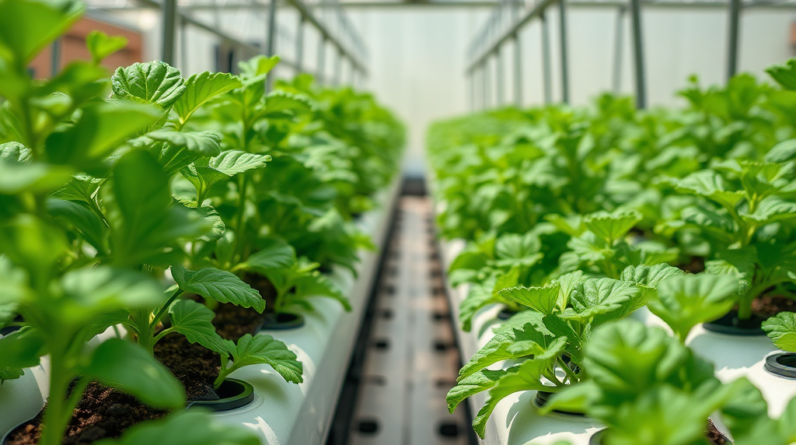
2. Deep Water Culture (DWC): In DWC systems, plants are suspended in a nutrient solution with their roots submerged. An air pump continuously aerates the water, ensuring that oxygen levels remain high.
3. Oxygen Diffusers: These specialized devices can be used in conjunction with air pumps to enhance the rate of oxygen transfer into the water.
4. Surface Agitation: Increasing the surface area of the nutrient solution can also promote oxygen absorption. This can be achieved through techniques like waterfall systems or surface agitation devices.
5. Hydroponic Filters: Some advanced hydroponic setups incorporate filters that help maintain oxygen levels while also removing harmful substances from the nutrient solution.
By implementing these techniques, growers can significantly improve the oxygenation of their systems, leading to healthier plants and higher yields.
Common Mistakes in Oxygenation
One of the most frequent mistakes in hydroponics is underestimating the importance of oxygenation. Many growers focus heavily on nutrient concentration and pH levels, neglecting the oxygen needs of their plants. This oversight can lead to serious consequences, including root rot and poor plant performance.
Another common error is the improper selection of oxygenation methods. For example, using an insufficiently sized air pump or air stone can result in inadequate oxygen levels. It’s crucial to match the oxygenation equipment to the size and scale of the hydroponic system.
Additionally, some growers fail to regularly monitor dissolved oxygen levels. Without routine checks, it’s easy to overlook drops in oxygen that can adversely affect plant health. Investing in dissolved oxygen meters can help maintain optimal levels.
Prioritizing Oxygenation for Optimal Growth
To maximize plant health and growth in hydroponic systems, prioritizing oxygenation is essential. Growers should regularly assess oxygen levels and adjust their methods accordingly. Implementing a combination of techniques can often yield the best results.
For instance, using both air stones and surface agitation can create a synergistic effect, leading to higher oxygen levels. Additionally, considering the specific needs of different plants can help tailor oxygenation strategies. Some plants may require more oxygen than others, so understanding these requirements is key.
Furthermore, maintaining a balance of nutrients while ensuring adequate oxygenation is vital. Over-fertilization can lead to oxygen depletion in the nutrient solution, harming plant health. Monitoring and adjusting nutrient concentrations can help maintain this balance.
Frequently Asked Questions
What is the best method for oxygenating a hydroponic system?
The best method depends on your system type, but using air stones with an aeration pump is widely effective, especially in Deep Water Culture setups.
How often should I check the oxygen levels in my hydroponic system?
It’s recommended to check oxygen levels at least once a week to ensure they remain optimal for plant growth.
Can low oxygen levels affect plant growth?
Without sufficient oxygen, roots can suffocate, leading to root rot and overall plant decline.
Yes, low oxygen levels can lead to poor nutrient uptake, stunted growth, and increased susceptibility to diseases.
Without sufficient oxygen, roots can suffocate, leading to root rot and overall plant decline.
What are the signs of oxygen deficiency in plants?
Monitoring these symptoms can help identify oxygen deficiency early and prompt necessary corrections.
Signs include yellowing leaves, stunted growth, and root rot.
Monitoring these symptoms can help identify oxygen deficiency early and prompt necessary corrections.
How can I improve oxygenation in a small hydroponic system?
Additionally, ensuring good circulation and avoiding over-fertilization can help maintain oxygen levels.
Using a small air pump and air stone can effectively increase oxygen levels without taking up much space.
Additionally, ensuring good circulation and avoiding over-fertilization can help maintain oxygen levels.
Further Reading
Authoritative Sources
- USDA National Institute of Food and Agriculture
nifa.usda.govResearch and extension resources related to agriculture, plants, soil, and food systems.
- Extension Foundation Gardening Resources
extension.orgUniversity extension education resources for practical gardening and home agriculture topics.
- USDA Natural Resources Conservation Service
nrcs.usda.govSoil, water, conservation, and land management resources for practical growing decisions.