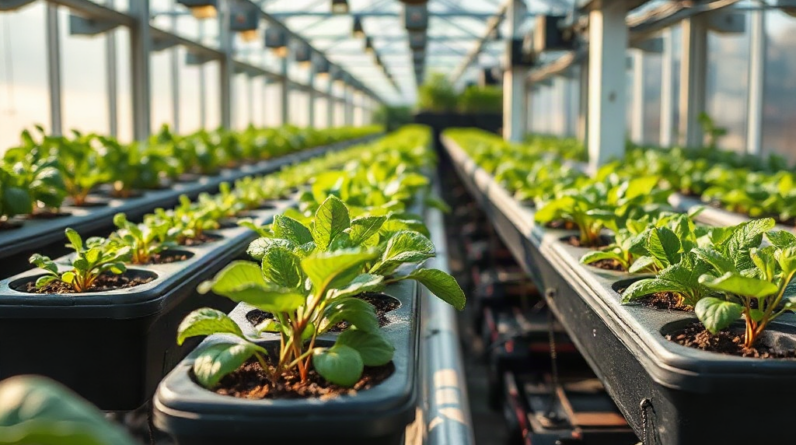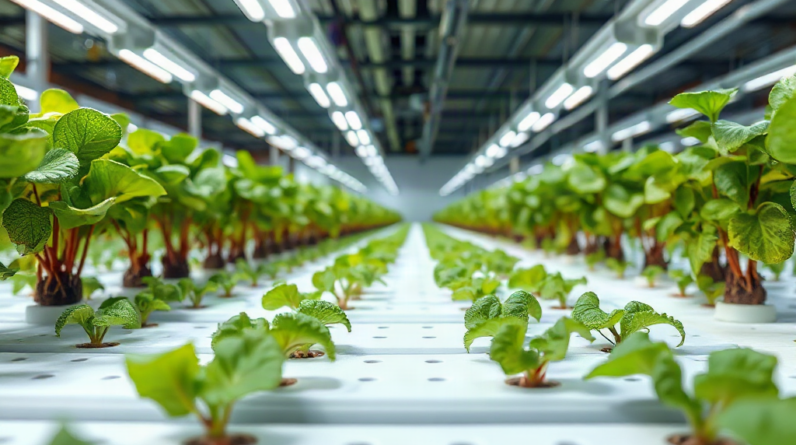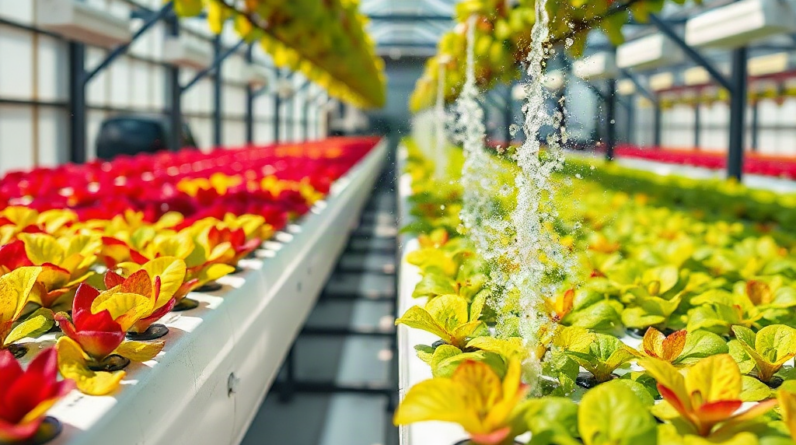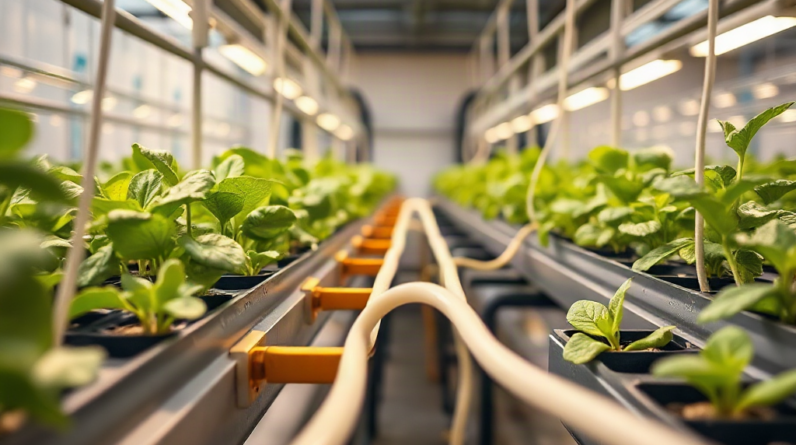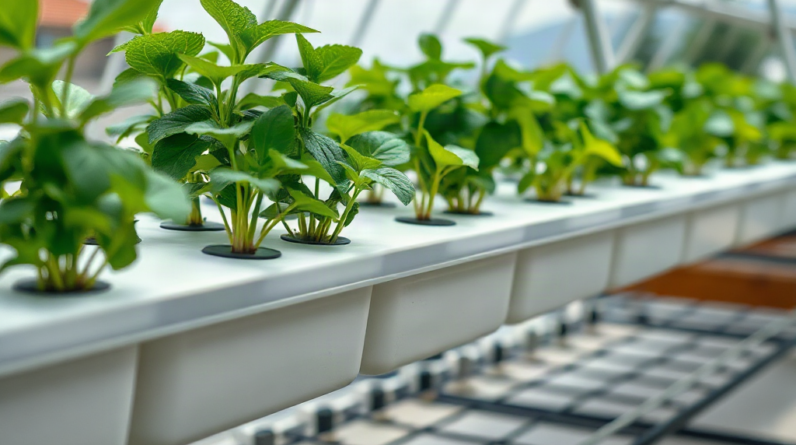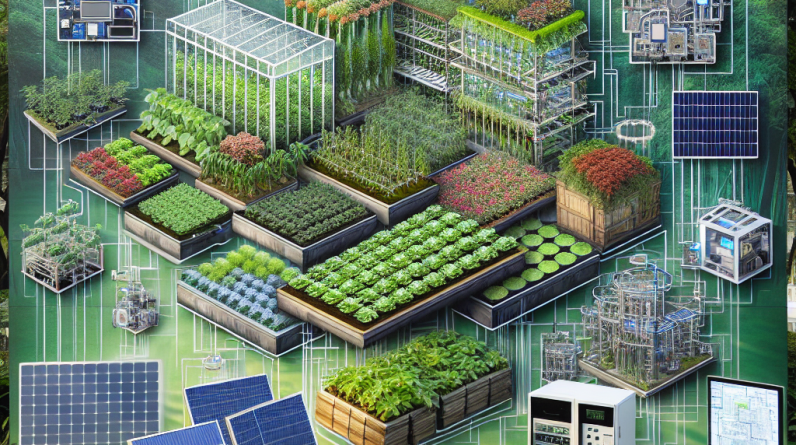
Inadequate ventilation in hydroponics can lead to serious consequences for plant health and growth. Elevated temperatures and humidity can create an environment conducive to diseases like powdery mildew, while insufficient carbon dioxide levels can stunt photosynthesis, resulting in poor nutrient uptake and reduced yields. To mitigate these issues, hydroponic gardeners should implement effective ventilation systems that promote air circulation and maintain optimal temperature and humidity levels. Regularly monitoring these conditions and making adjustments as necessary can help ensure a thriving hydroponic garden, ultimately enhancing plant vigor and productivity.
Understanding Ventilation in Hydroponics
Ventilation is a critical component in hydroponics, as it regulates temperature, humidity, and CO2 levels within the growing environment. The primary function of ventilation systems is to promote air circulation, which helps maintain optimal conditions for plant growth. When ventilation is inadequate, plants can experience stress, leading to a variety of negative outcomes. Understanding the role of ventilation is essential for any hydroponic gardener aiming for successful crop production.
In hydroponic systems, plants rely on a balanced environment to thrive. Fresh air intake is necessary to replenish CO2 levels, which are crucial for photosynthesis. Moreover, proper ventilation helps remove excess heat and humidity, preventing conditions that could lead to mold growth and pest infestations. Therefore, ensuring adequate airflow is vital for sustaining a healthy hydroponic garden.
Consequences of Poor Ventilation
The consequences of inadequate ventilation in hydroponics can be severe, affecting plant growth and overall yield. One of the most immediate impacts is the increase in temperature and humidity levels. High temperatures can lead to heat stress, while elevated humidity may create a breeding ground for pathogens like powdery mildew and botrytis. Both factors can stunt plant growth and reduce flowering and fruiting.
Moreover, insufficient CO2 levels due to poor air circulation can hinder photosynthesis, directly impacting plant vigor and productivity. Plants may exhibit stunted growth, yellowing leaves, and ultimately reduced yields. Addressing these issues promptly is essential to prevent long-term damage to the crop.
Signs of Inadequate Ventilation
Identifying the signs of inadequate ventilation is crucial for maintaining a healthy hydroponic system. Common indicators include wilting leaves, stunted growth, and a noticeable increase in humidity levels. Additionally, a musty smell may indicate mold growth, which thrives in stagnant air conditions. Discoloration of leaves, particularly yellowing, can also signal that plants are not receiving adequate CO2 or are under stress from high temperatures.
To monitor ventilation effectively, gardeners should regularly check temperature and humidity levels using reliable tools. If temperatures consistently exceed optimal ranges or humidity levels remain elevated, it’s time to assess and improve the ventilation system to ensure plants receive the airflow they need.
Effective Ventilation Strategies
To combat the effects of inadequate ventilation, several effective strategies can be implemented. First, ensure that your hydroponic system includes an appropriate exhaust fan and intake vents to facilitate adequate airflow. The placement of these systems should allow for optimal air exchange without creating dead zones.
Another strategy is to use oscillating fans within the growing area to promote air circulation. This can help distribute CO2 evenly and prevent hot or humid spots from forming. Additionally, consider incorporating temperature and humidity sensors that can trigger fans or vents based on real-time data, ensuring that conditions remain optimal for plant growth.
Regular maintenance of the ventilation system is also crucial. Clean filters and vents to prevent blockages and ensure air can flow freely. By implementing these strategies, hydroponic gardeners can significantly reduce the risks associated with inadequate ventilation and promote healthier plants.
For those interested in exploring more about the effects of inadequate ventilation in hydroponics and best practices for maintaining optimal conditions, consider consulting reputable sources such as agricultural extension services or hydroponic gardening books.
Frequently Asked Questions
What are the main effects of inadequate ventilation in hydroponics?
Inadequate ventilation can lead to increased temperatures, elevated humidity, and insufficient CO2 levels, negatively impacting plant growth and health.
How can I tell if my hydroponic system has poor ventilation?
Signs include stunted growth, wilting leaves, high humidity levels, and a musty smell indicating mold growth.
What are effective ways to improve ventilation in a hydroponic setup?
Implement exhaust fans, intake vents, and oscillating fans, and consider using sensors to monitor and control airflow based on environmental conditions.
What temperature and humidity levels are ideal for hydroponics?
Generally, temperatures should be maintained between 70-75°F (21-24°C) with humidity levels around 50-70% for optimal plant growth.
Can inadequate ventilation lead to pest problems in hydroponics?
Yes, poor ventilation can create conditions conducive to pests and diseases, as high humidity and stagnant air promote infestations.
Further Reading
Authoritative Sources
- USDA National Institute of Food and Agriculture
nifa.usda.govResearch and extension resources related to agriculture, plants, soil, and food systems
- Extension Foundation Gardening Resources
extension.orgUniversity extension education resources for practical gardening and home agriculture topics
- USDA Natural Resources Conservation Service
nrcs.usda.govSoil, water, conservation, and land management resources for practical growing decisions
Conclusion
Maintaining adequate ventilation in hydroponics is essential for promoting healthy plant growth and maximizing yields. By understanding the effects of inadequate ventilation, recognizing the signs, and implementing effective strategies, hydroponic gardeners can create an optimal growing environment. Prioritize regular monitoring and maintenance of ventilation systems to prevent issues before they escalate, ensuring your plants thrive in a well-balanced ecosystem.