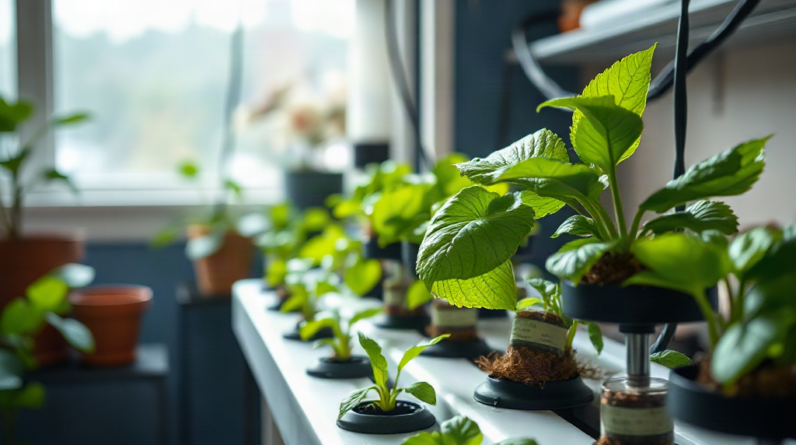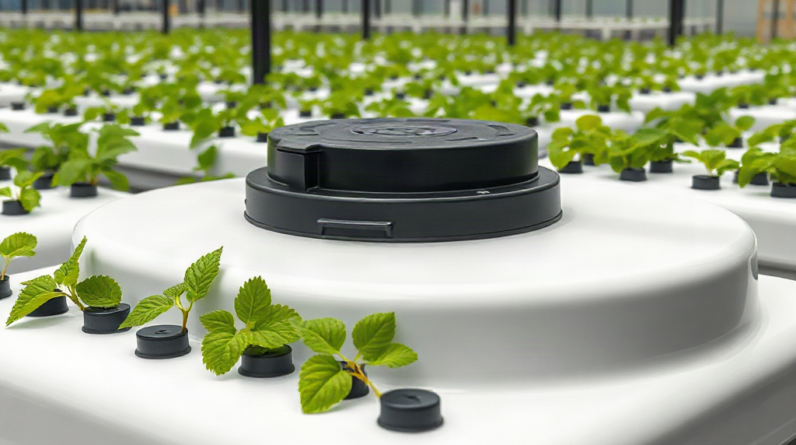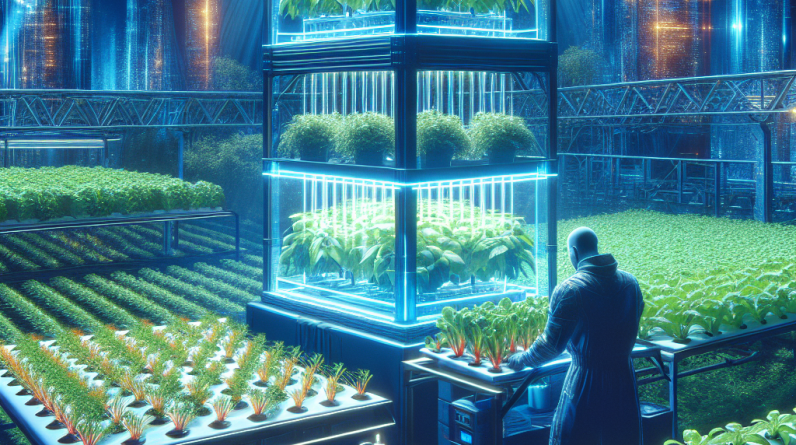
Understanding the specific requirements for hydroponic microgreens is crucial for maximizing yield and quality. Factors such as light intensity, water quality, and nutrient concentration play significant roles in plant health. Common mistakes include overwatering, inadequate lighting, and neglecting to monitor nutrient levels, all of which can hinder growth and lead to poor harvests. Prioritizing these elements will help ensure robust and flavorful microgreens.
One common misconception is that hydroponic systems are overly complicated or expensive to set up. In reality, many hydroponic microgreens can be grown using simple systems that require minimal investment. Focusing on easy-to-manage setups, such as shallow trays and basic LED grow lights, can simplify the process and make it accessible for beginners. By prioritizing these straightforward techniques, growers can enjoy the benefits of hydroponics without overwhelming complexity.
Choosing the Right Seeds for Hydroponic Microgreens
Selecting the right seeds is critical for successful hydroponic microgreens growing. Popular choices include radish, basil, and mustard, which tend to germinate quickly and yield flavorful greens. Each type of microgreen has unique flavor profiles and nutritional benefits, so understanding your preferences and market demand is important.
When choosing seeds, consider factors such as germination time, growth habit, and flavor. For example, radish microgreens can be harvested in just 7-14 days, making them ideal for quick turnover. Additionally, sourcing high-quality, organic seeds can enhance the overall health of your microgreens and improve flavor.
Many new growers underestimate the importance of seed quality and may opt for cheaper options that yield poor results. Investing in reputable seeds can significantly impact both taste and growth rates. Furthermore, it is essential to store seeds properly to maintain their viability, as exposure to moisture or extreme temperatures can diminish germination rates.
Setting Up Your Hydroponic System
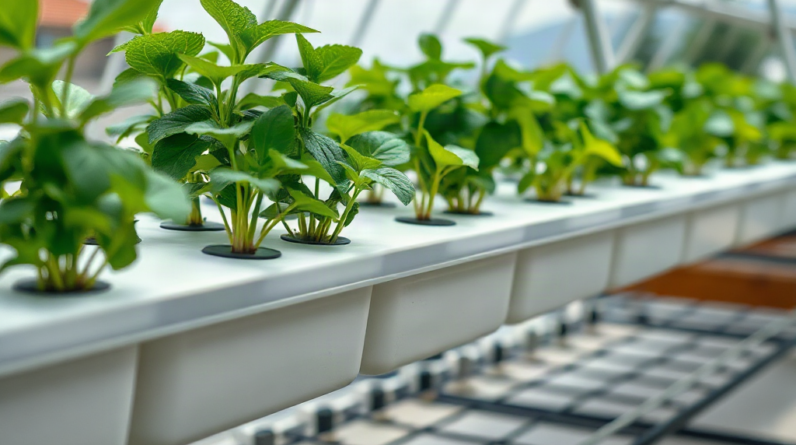
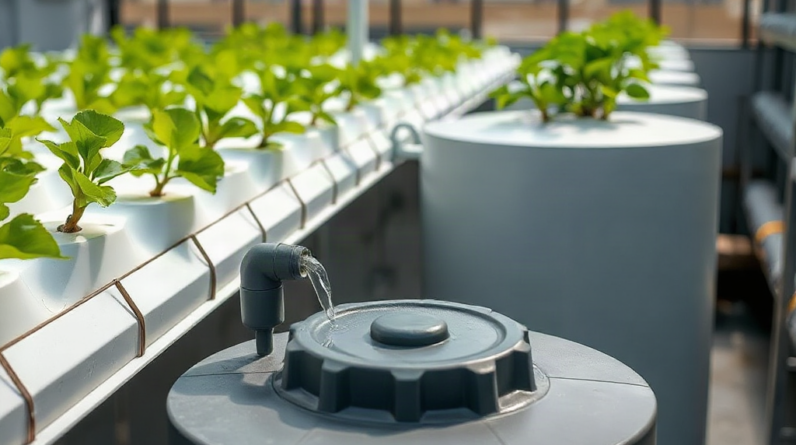
A well-designed hydroponic system is foundational for successful microgreens growing. Systems can range from simple tray setups to more complex NFT (Nutrient Film Technique) systems. For beginners, a basic tray filled with a growing medium like coconut coir or rock wool is often sufficient.
Ensure that your setup allows for adequate drainage and airflow. Overcrowding microgreens can lead to mold and disease, so it’s important to space them appropriately. Additionally, consider the location of your hydroponic system; it should be in a spot that receives adequate light and is easily accessible for maintenance.
Many growers make the mistake of rushing their setup without considering environmental factors. Take the time to evaluate your space and make adjustments to optimize conditions for growth. Proper ventilation, humidity control, and temperature regulation will enhance the health of your microgreens and ultimately improve yield.
Optimal Lighting Conditions for Growth
Light is a crucial factor in hydroponic microgreens growing, as it directly influences photosynthesis and growth rates. Natural sunlight is ideal, but if that’s not available, LED grow lights can effectively simulate the light spectrum needed for healthy growth.
Microgreens typically require around 12-16 hours of light per day. Position lights close to the plants while ensuring they do not overheat. A common mistake is to either under-light or over-light the microgreens, which can lead to leggy growth or burnt leaves. Monitoring light intensity and adjusting the distance between the light source and the plants is essential.
Many growers overlook the importance of light quality, focusing solely on duration. Different stages of growth may require adjustments in light intensity, so being responsive to the plants’ needs can lead to healthier growth. Experimenting with different light cycles can help determine the optimal setup for your specific microgreens.
Nutrient Solutions and Water Quality
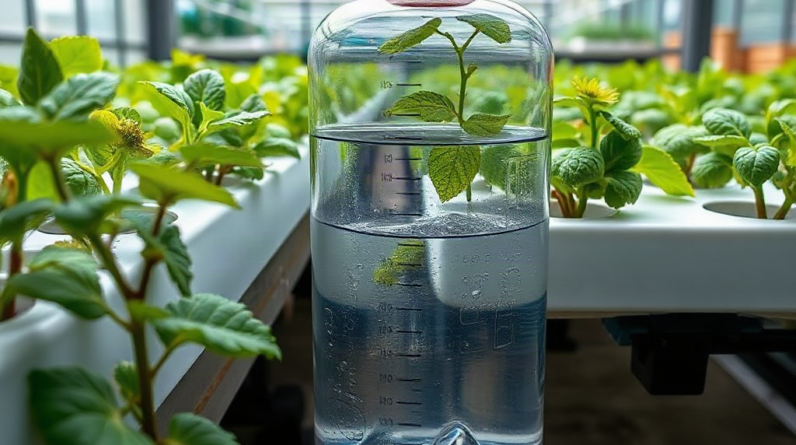
Maintaining proper nutrient levels and water quality is vital in hydroponic microgreens growing. Use a balanced nutrient solution specifically formulated for hydroponics, ensuring it contains essential macro and micronutrients. Regularly check the pH and EC (electrical conductivity) of your water to ensure optimal nutrient uptake.
Water quality impacts plant health; using filtered or distilled water can prevent harmful contaminants from affecting growth. A common mistake is to use tap water without considering its chemical composition, which can introduce chlorine or heavy metals that harm microgreens.
Understanding the nutrient needs of specific microgreens is crucial for successful cultivation. Different varieties may require adjustments in nutrient concentration, so growers should be prepared to adapt their approach based on plant responses. Regularly monitoring and adjusting nutrient levels will help achieve vibrant, healthy greens.
Further Reading
To deepen your knowledge about hydroponic microgreens growing, consider exploring resources from agricultural universities or recognized horticultural organizations. These sources can provide valuable insights into advanced techniques and research findings that can enhance your growing practices.
Further Reading
Authoritative Sources
- Ready.gov
ready.govOfficial U.S. preparedness guidance, checklists, and planning resources for households and emergencies.
- FEMA
fema.govFederal emergency management resources, disaster planning information, and recovery guidance.
- American Red Cross Emergency Preparedness
redcross.orgPractical emergency preparation steps, supply lists, and safety guidance for families.
- National Weather Service
weather.govOfficial forecasts, hazard alerts, and weather safety information.
- CDC Emergency Preparedness and Response
cdc.govPublic health guidance for emergencies, disasters, and recovery situations.
Frequently Asked Questions
What are the best microgreens to grow hydroponically?
Popular choices include radish, basil, and mustard due to their quick germination and robust flavors.
How often should I change the nutrient solution?
It is recommended to change the nutrient solution every 1-2 weeks to ensure optimal nutrient availability.
Can I use regular soil for hydroponic microgreens?
No, hydroponic systems rely on growing mediums like coconut coir or rock wool instead of soil.
How do I prevent mold in my hydroponic system?
Ensure proper airflow, avoid overcrowding, and maintain appropriate humidity levels to prevent mold growth.
What is the ideal temperature for growing hydroponic microgreens?
The ideal temperature range for growing microgreens is between 60°F to 75°F (15°C to 24°C).
Conclusion
Hydroponic microgreens growing offers an efficient and productive way to cultivate fresh greens at home or commercially. By focusing on seed selection, system setup, lighting, and nutrient management, growers can achieve vibrant and flavorful microgreens. Prioritizing these aspects while avoiding common pitfalls will lead to successful harvests. As you gain experience, continue to refine your techniques and explore new varieties to maximize your hydroponic growing potential.
Related Content
- Signs of Nutrient Deficiencies in Hydroponic Plants: Key Symptoms and Solutions
- Hydroponic Micro-Greens Growing: Techniques for Optimal Flavor and Nutrition
- Hydroponic Growing Tent Benefits: Optimizing Your Indoor Gardening Space
- Challenges of Hydroponic Gardening
- Selecting the Best Growing Medium for Vegetables by Root Zone and Irrigation Method