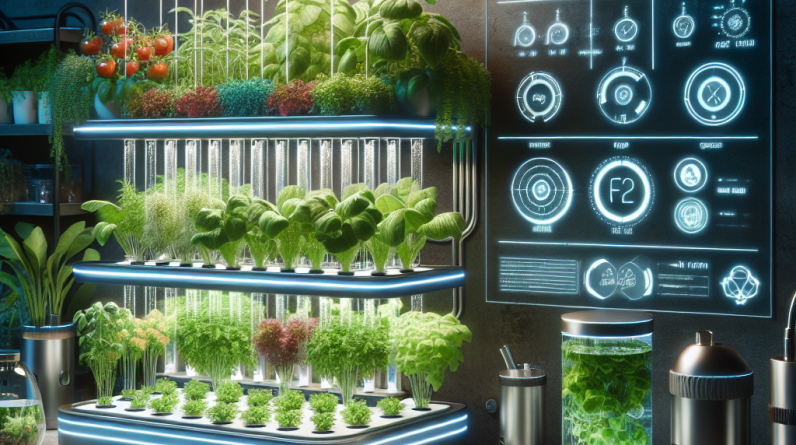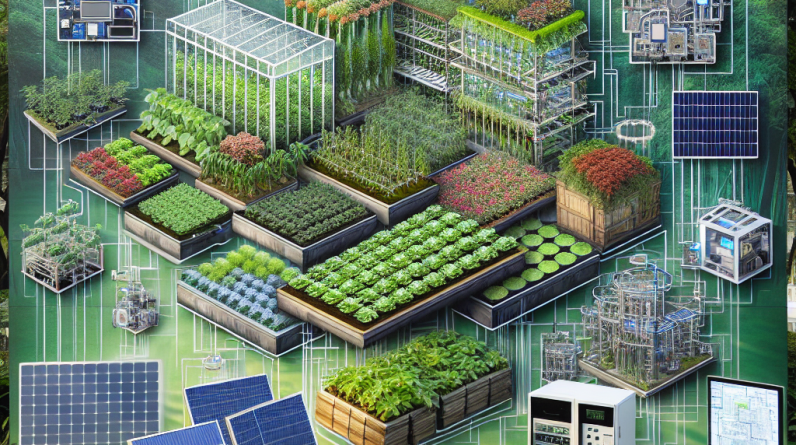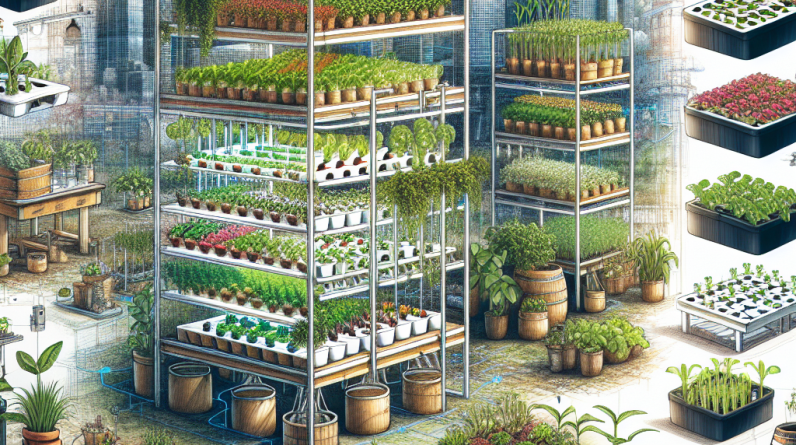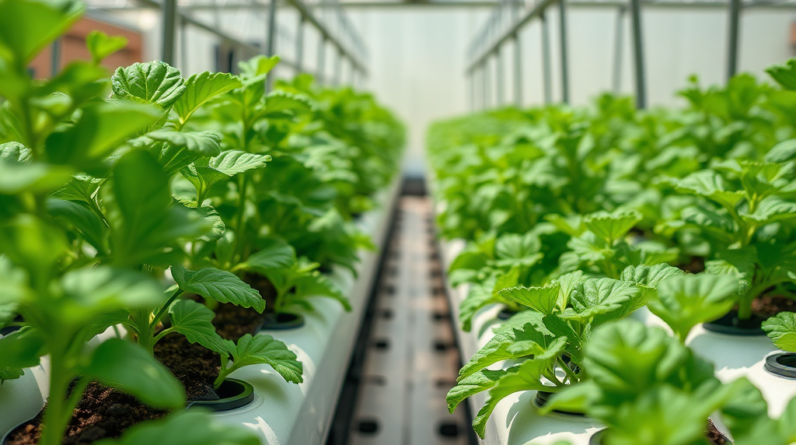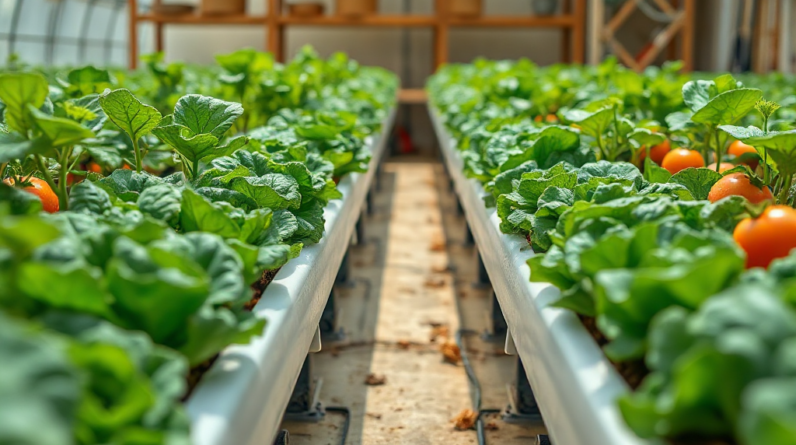
When starting with hydroponic vegetables, it’s essential to consider factors such as light, nutrients, and water quality. Each plant has unique requirements, and neglecting these can lead to poor growth or failure. Focusing on the right varieties and their specific cultivation needs can provide you with a bountiful indoor garden.
A common mistake beginners make is underestimating the importance of nutrient solutions. Hydroponic systems rely on nutrient-rich water, and plants can suffer if they are not provided with the correct balance of nutrients. Prioritizing a reliable nutrient source and monitoring pH levels will significantly enhance your gardening experience.
Choosing the Right Hydroponic System
Choosing the right hydroponic system is crucial for growing beginner hydroponic vegetables successfully. Various systems are available, including deep water culture, nutrient film technique, and aeroponics. Each has its pros and cons that affect ease of use, cost, and maintenance.
For beginners, deep water culture (DWC) is often recommended due to its simplicity and effectiveness. In DWC, plants are suspended in a nutrient-rich solution, allowing for quick growth and easy monitoring of water levels. This system can be set up with minimal equipment, making it accessible for new gardeners.
However, it’s essential to consider the space you have available and your budget when choosing a system. Investing in a slightly more complex setup might yield better long-term results, but starting simple can help build your confidence as you learn.
Best Vegetables for Beginners
When selecting beginner hydroponic vegetables, consider varieties that are known for their fast growth and resilience. Lettuce and leafy greens are among the best choices, as they typically thrive in hydroponic systems and can be harvested multiple times.
Other excellent options include herbs like basil, cilantro, and parsley, which not only grow quickly but also enhance the flavor of many dishes. These plants require less space and can be grown in smaller systems, making them ideal for urban gardening.
Keep in mind that while some vegetables are easier to grow, they still have specific light and nutrient requirements. Researching each plant’s needs will ensure a successful harvest and boost your confidence as a hydroponic gardener.
Common Mistakes to Avoid
New hydroponic gardeners often encounter several common mistakes that can hinder their success. One significant issue is overwatering or underwatering, which can lead to root rot or nutrient deficiencies. Maintaining proper water levels is essential for healthy plant growth.
Another frequent mistake is neglecting to monitor pH levels. Hydroponic systems require a specific pH range for optimal nutrient absorption. Regularly testing and adjusting the pH can prevent nutrient lockout and ensure plants receive the necessary elements for growth.
All in all, beginners sometimes overlook the importance of lighting. Proper lighting is critical for photosynthesis, and inadequate light can stunt plant growth. Investing in a good quality grow light tailored to your plants’ needs can significantly improve your results.
Maintaining Optimal Growing Conditions
Maintaining optimal growing conditions is vital for the success of beginner hydroponic vegetables. This includes regulating factors like temperature, humidity, and light exposure. Most vegetables thrive in temperatures between 65°F to 75°F (18°C to 24°C) and require adequate airflow to prevent mold and disease.
In addition, humidity levels should be monitored, as high humidity can lead to fungal issues. Using a hygrometer can help you maintain the right balance. Moreover, providing sufficient light, ideally 12-16 hours per day, will ensure robust growth and prevent leggy plants.
To wrap up, regular monitoring of nutrient levels and adjusting as needed will support healthy plant development. Keeping a gardening journal can help track changes and optimize your growing strategy over time.
Frequently Asked Questions
What are the easiest vegetables to grow hydroponically?
The easiest vegetables to grow hydroponically include lettuce, spinach, basil, and mint. These plants are known for their fast growth and adaptability to hydroponic systems.
How often should I change the water in my hydroponic system?
It’s recommended to change the water in your hydroponic system every two weeks to prevent nutrient depletion and maintain water quality.
Can I use regular soil nutrients in a hydroponic system?
No, regular soil nutrients are not suitable for hydroponics. Hydroponic systems require specific nutrient solutions designed for water-based delivery.
What type of light is best for hydroponic vegetables?
LED grow lights are often the best choice for hydroponic vegetables due to their efficiency, low heat output, and full-spectrum options.
How do I prevent pests in my hydroponic garden?
To prevent pests, maintain proper hygiene, regularly inspect plants, and consider introducing beneficial insects or organic pest control options.
Further Reading
Authoritative Sources
- USDA National Institute of Food and Agriculture
nifa.usda.govResearch and extension resources related to agriculture, plants, soil, and food systems.
- Extension Foundation Gardening Resources
extension.orgUniversity extension education resources for practical gardening and home agriculture topics.
- USDA Natural Resources Conservation Service
nrcs.usda.govSoil, water, conservation, and land management resources for practical growing decisions.
Conclusion
Ultimately, starting with beginner hydroponic vegetables can be a rewarding experience when you choose the right system and varieties. Focus on maintaining optimal growing conditions, monitor nutrient levels, and avoid common mistakes to ensure success. With patience and attention to detail, you can enjoy a thriving indoor garden that yields fresh produce year-round.
Related Content
- Maximize Your Harvest: Discover the Advantages of an Indoor Hydroponic Grow Kit
- Common Failures in Hydroponic Vegetable Production: Mistakes to Avoid for Success
- URUQ 12 Pods Indoor Gardening System Review
- Impact of Oxygen Levels on Hydroponic Growth: Understanding Key Factors and Benefits
- The Role of Hydroponics in Modern Agriculture