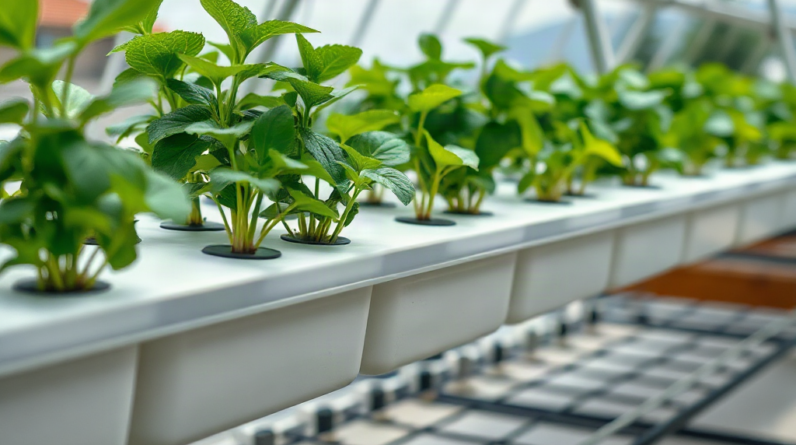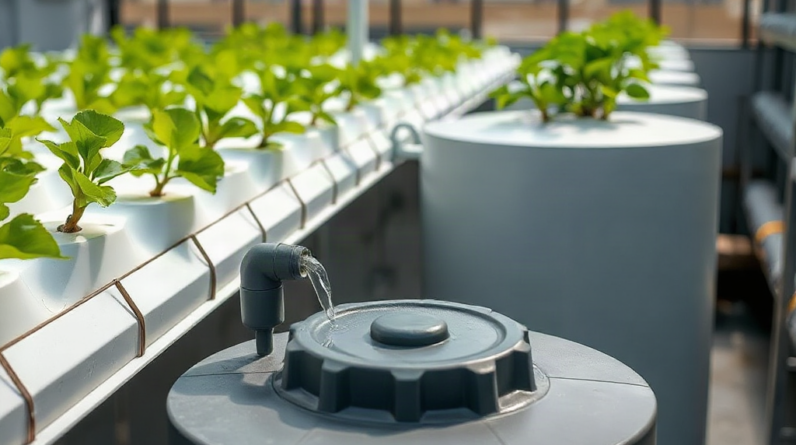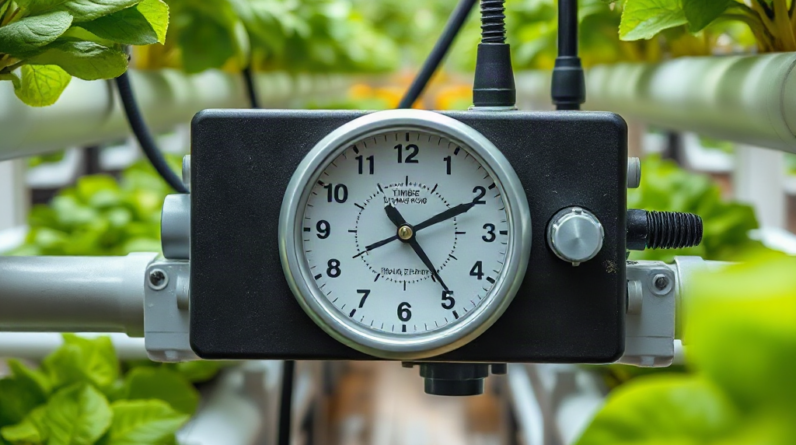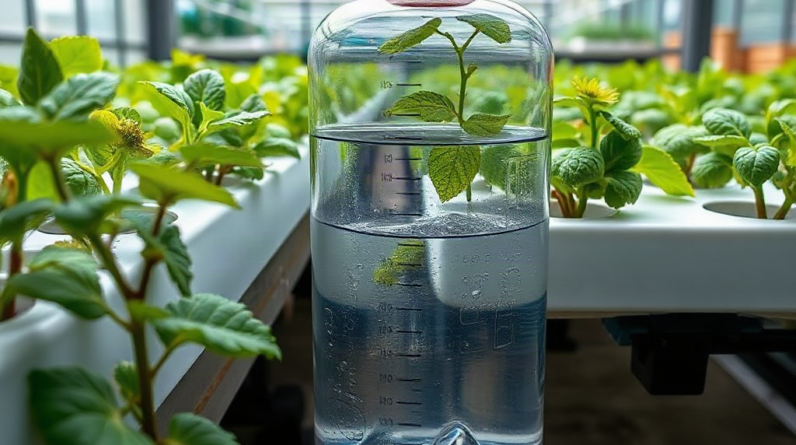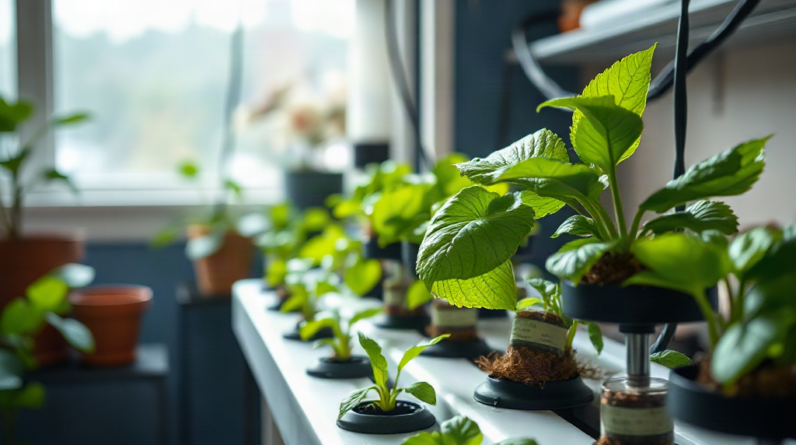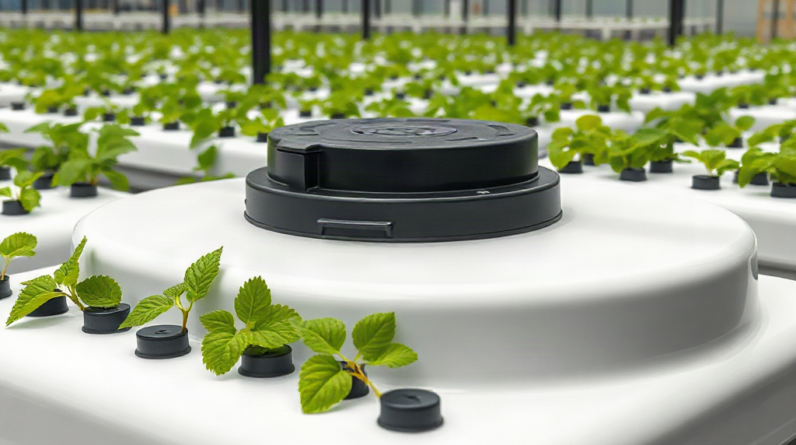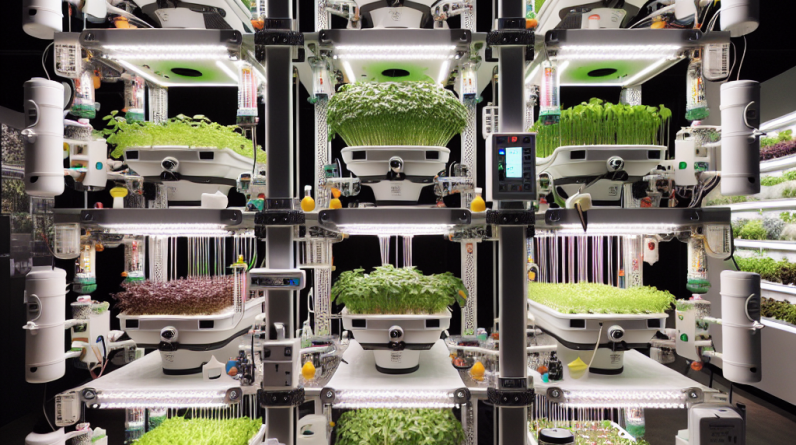
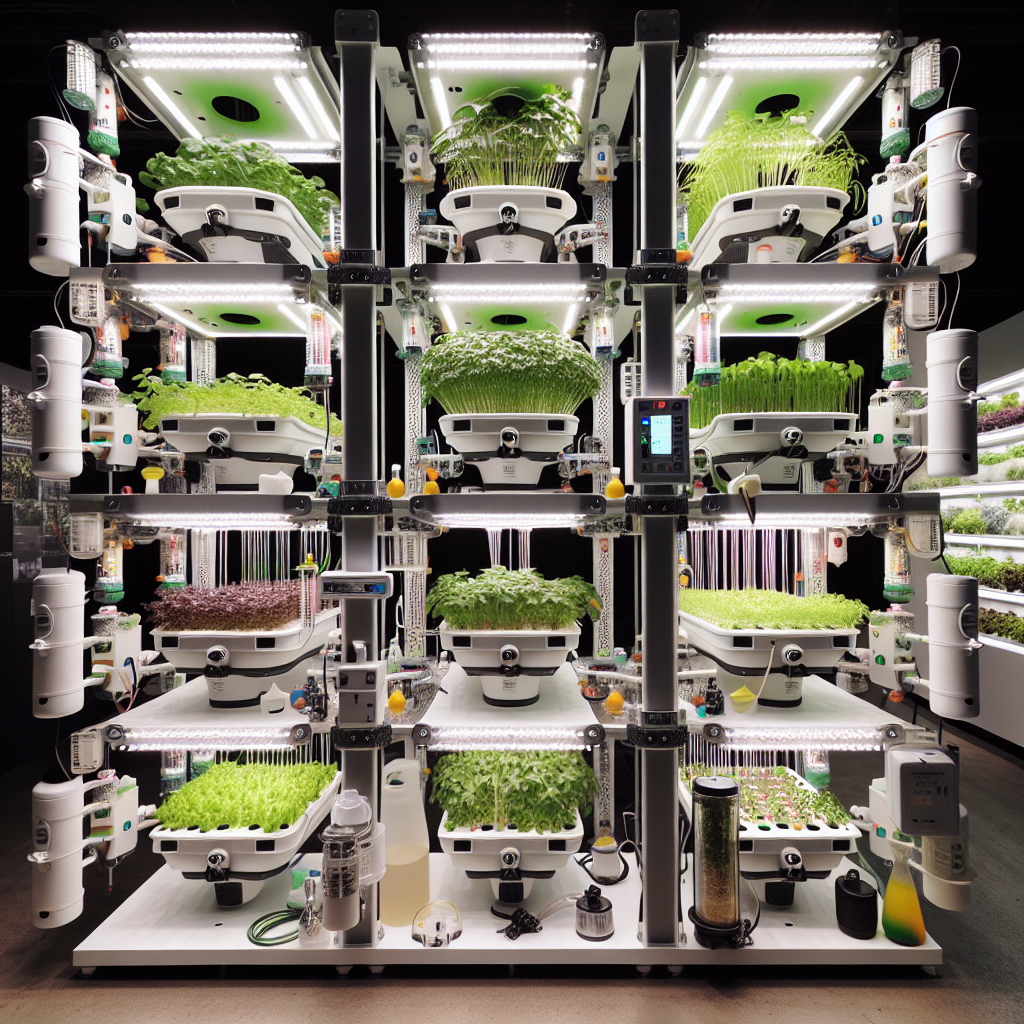
Hydroponic oxygenation techniques are essential for promoting healthy plant growth by maintaining optimal oxygen levels in the nutrient solutions. Insufficient oxygen can lead to root rot, stunted growth, and overall poor plant health. Effective methods include using air stones, diffusers, and proper water circulation to ensure that roots receive adequate aeration. Each technique has unique benefits and considerations that growers must understand to achieve the best results.
Implementing proper oxygenation techniques goes beyond just selecting a method; it also requires an understanding of the specific needs of the plants being grown. For instance, leafy greens may thrive with lower oxygen levels than fruiting plants like tomatoes, which need more oxygen to support their higher metabolic rates. Mistakes often arise when growers assume that any aeration technique will suffice without considering the specific requirements of their crops. Therefore, prioritizing the right method based on plant type and growth stage is critical.
Importance of Oxygen in Hydroponics
Oxygen is a critical component for root respiration in hydroponic systems. Roots require oxygen to metabolize nutrients effectively and to support overall plant health. Inadequate oxygen levels can lead to anaerobic conditions, which promote harmful pathogens and result in root diseases. Growers should recognize that maintaining sufficient oxygen levels directly correlates with plant vigor and productivity.
Understanding the role of oxygen in hydroponics helps growers prioritize their systems accordingly. For instance, traditional deep water culture systems can become oxygen-deficient if not properly aerated. Consequently, growers must consider the balance between nutrient delivery and oxygenation to prevent potential failures in their hydroponic setups.
Common Oxygenation Techniques
Several methods exist to enhance oxygen levels in hydroponic systems. The most common techniques include:
- Air Stones: These are porous stones that release small bubbles into the nutrient solution, increasing surface area for oxygen exchange.
- Diffusion Systems: These systems use fine bubbles to diffuse oxygen throughout the nutrient solution effectively.
- Water Pumps: Utilizing water pumps to circulate the nutrient solution can help introduce oxygen as water moves and splashes.
- Nutrient Film Technique (NFT): This method allows a thin film of nutrient solution to flow over the roots, exposing them to air and promoting oxygen absorption.
Each of these techniques has its advantages and potential drawbacks. For instance, while air stones are relatively inexpensive and easy to use, they may require regular maintenance to prevent clogging. On the other hand, diffusion systems can provide more consistent oxygen levels but may be more complex to set up. Growers should weigh these factors when choosing their preferred oxygenation method.
Choosing the Right Method
Selecting the appropriate oxygenation technique depends on several factors, including the type of plants being grown, the hydroponic system in use, and the grower’s experience level. For example, less experienced growers may benefit from simpler methods like air stones, while seasoned growers may opt for more advanced diffusion systems.
Additionally, environmental conditions such as temperature and humidity can impact oxygen levels. Warmer water holds less dissolved oxygen, so growers should consider implementing methods that enhance oxygenation during hotter months. Understanding these variables will help ensure that the chosen technique aligns with the unique needs of the hydroponic system.
Monitoring Oxygen Levels
Regular monitoring of oxygen levels is crucial for maintaining a healthy hydroponic environment. Growers can utilize dissolved oxygen meters to measure oxygen concentrations in their systems accurately. Maintaining optimal oxygen levels typically ranges between 5 to 8 mg/L, depending on the plant species.
Failing to monitor oxygen levels can lead to serious consequences, including plant stress and lower yields. Growers should establish a routine for checking oxygen levels, especially after system changes or during periods of high plant growth. This proactive approach will enable them to make necessary adjustments to their oxygenation techniques as needed.
Further Reading
Authoritative Sources
- Hydroponics Online
hydroponics.comThis source offers extensive resources on various hydroponic techniques, including oxygenation methods
- Gardening Know How
gardeningknowhow.comA comprehensive guide on gardening with a section dedicated to hydroponics and oxygenation
- Aquaponics
aquaponics.comAn authoritative site that discusses both aquaponics and hydroponics, including oxygenation techniques
- Nature
nature.comPeer-reviewed research articles discussing the relationship between oxygen levels and plant growth
Frequently Asked Questions
What are hydroponic oxygenation techniques?
Hydroponic oxygenation techniques involve methods used to ensure that the nutrient solution in hydroponic systems maintains adequate levels of dissolved oxygen, crucial for plant health.
Why is oxygen important in hydroponics?
Oxygen is essential for root respiration, nutrient absorption, and overall plant health; inadequate oxygen can lead to root rot and stunted growth.
What are the best methods for oxygenation?
Some of the best methods include using air stones, diffusion systems, water circulation pumps, and nutrient film techniques (NFT) to enhance oxygen levels.
How often should I monitor oxygen levels?
It is advisable to monitor oxygen levels regularly, especially after system changes or during periods of rapid plant growth, to ensure optimal conditions.
Can I use regular water pumps for oxygenation?
Yes, water pumps can help circulate the nutrient solution and introduce oxygen, but it’s essential to combine this method with other techniques for best results.
Conclusion
Incorporating effective hydroponic oxygenation techniques is crucial for maximizing plant growth and health. By understanding the importance of oxygen, selecting the right methods, and continually monitoring oxygen levels, growers can create a thriving hydroponic environment. Prioritizing these elements will not only enhance plant performance but also lead to higher yields and better overall results in hydroponic gardening.
Related Content
- The Ultimate Guide to the Best Hydroponic Fertilizer Strategies for 2025
- Hydroponics Growing System Indoor Garden Review
- Automated Hydroponic System: Key Components and Practical Applications for Home Growers
- Choosing the Right Hydroponic Growing System for Your Plants
- Maximizing Yield: How to Optimize Your Hydroponic Growing System