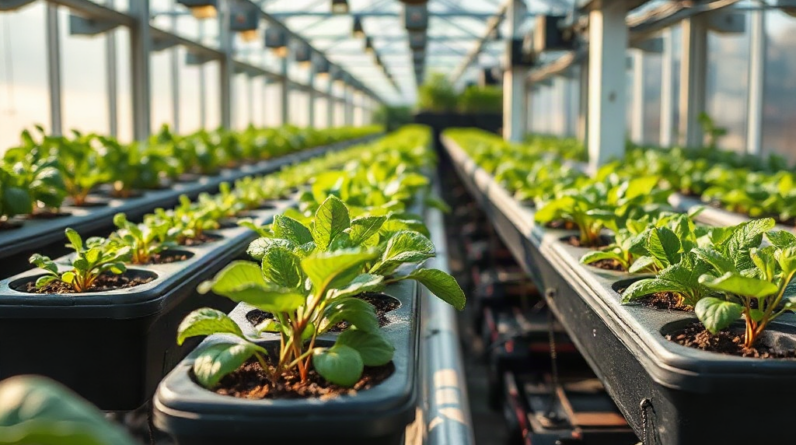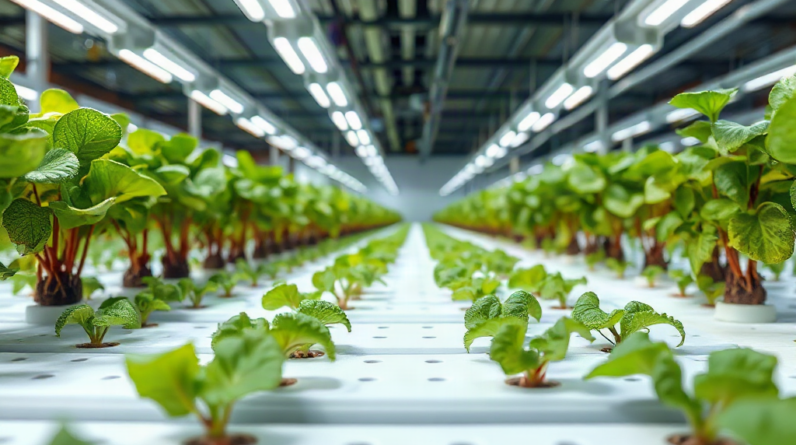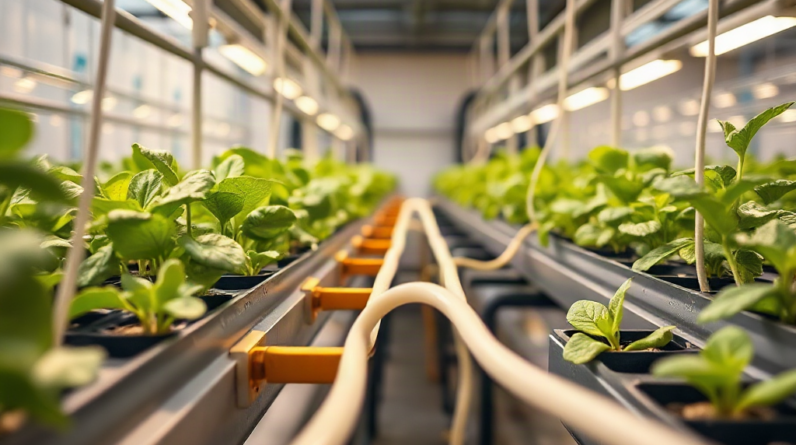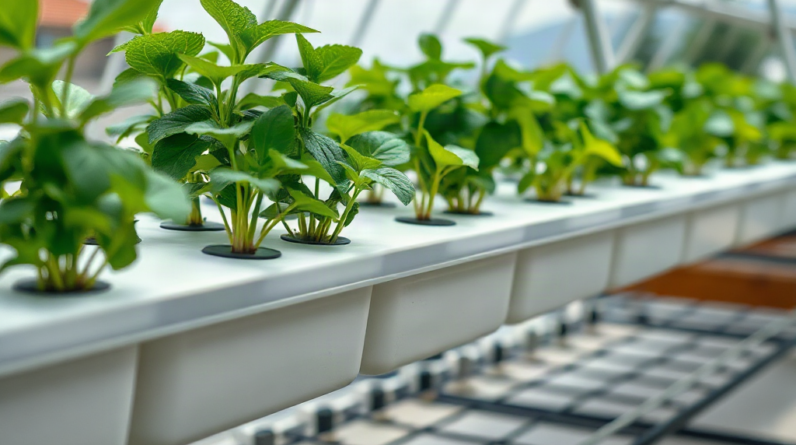
Hydroponic microgreens growing is a method that allows for the cultivation of young plants without soil, resulting in faster growth and a nutrient-dense product. This approach involves using water and nutrient solutions to nourish the plants, which can lead to a quicker harvest compared to traditional soil-based growing methods. By selecting the right seeds and providing optimal conditions, growers can enjoy fresh microgreens in as little as 7 to 21 days.
Successful hydroponic microgreens growing requires attention to several key factors. First, light is essential; microgreens thrive under bright, indirect light, so utilizing LED grow lights can help mimic natural sunlight. Second, moisture levels must be carefully managed; overwatering can lead to root rot, while underwatering can stunt growth. Additionally, the choice of medium, such as coconut coir or peat, influences how well the roots can access nutrients and oxygen.
Choosing the Right Seeds for Hydroponic Microgreens
When it comes to hydroponic microgreens growing, selecting the right seeds is crucial for achieving optimal flavor, texture, and nutritional content. Popular choices include arugula, radish, and broccoli, which are known for their quick germination and robust growth. It’s essential to choose high-quality, organic seeds to ensure the best results.
Additionally, consider the taste and culinary uses of the microgreens you plan to grow. Some varieties, like sunflower and pea shoots, have a sweeter flavor profile, while others, such as mustard greens, offer a spicier kick. By diversifying your selections, you can create a balanced microgreens garden that caters to various culinary preferences.
Setting Up Your Hydroponic System
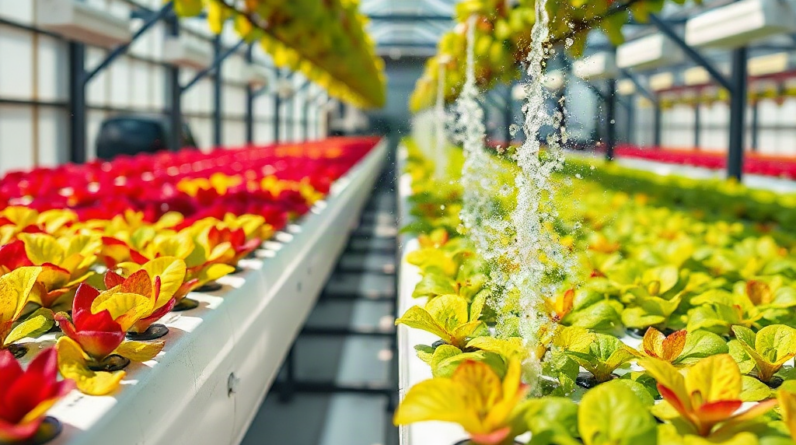
Creating an effective hydroponic system for microgreens involves choosing between various methods, such as nutrient film technique (NFT), deep water culture (DWC), or aeroponics. Each method has its advantages, but for beginners, a simple tray system with a nutrient-rich solution often works best. Ensure that your setup allows for adequate drainage and air circulation.
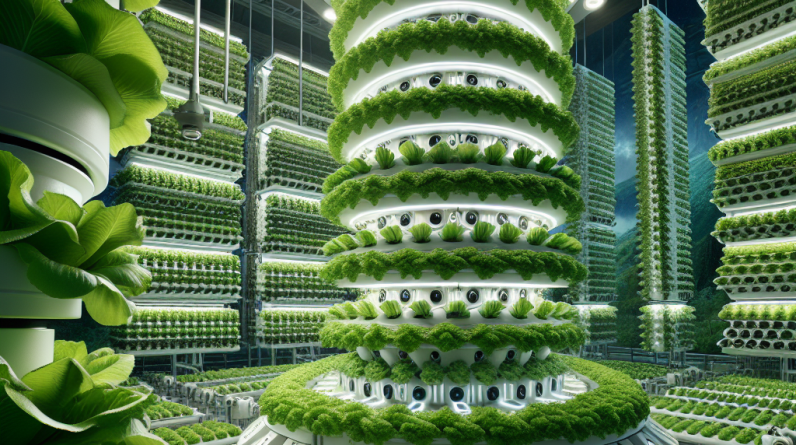
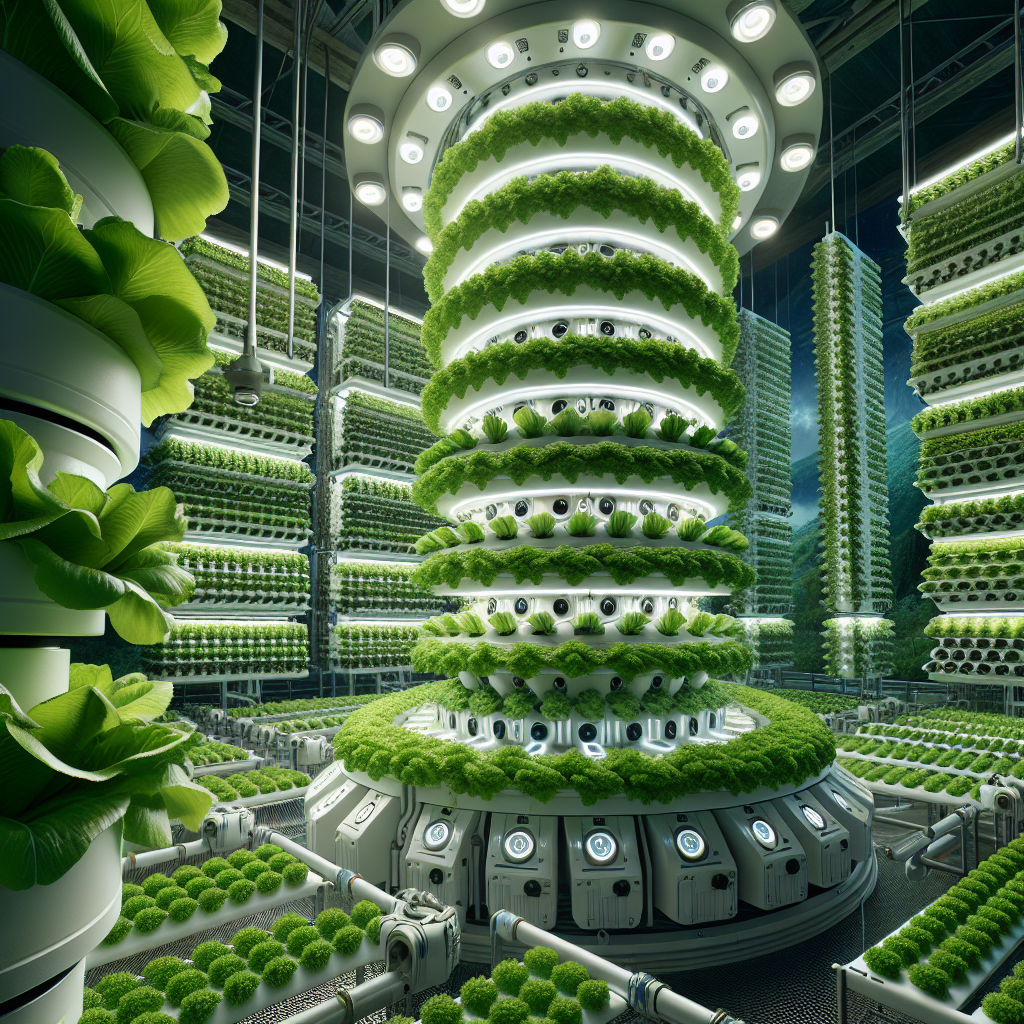
Moreover, keep in mind the spatial requirements of your microgreens. A well-organized system can maximize your growing area, making it easier to manage multiple trays or containers. Consider using shelving units to stack trays vertically, allowing you to grow more greens in a limited space.
Optimal Growing Conditions for Microgreens
To ensure healthy growth of hydroponic microgreens, maintaining optimal growing conditions is essential. The temperature should ideally range from 65°F to 75°F (18°C to 24°C), and humidity levels should be kept high, around 40-70%. Providing consistent light exposure for 12 to 16 hours a day will promote strong, vibrant growth.
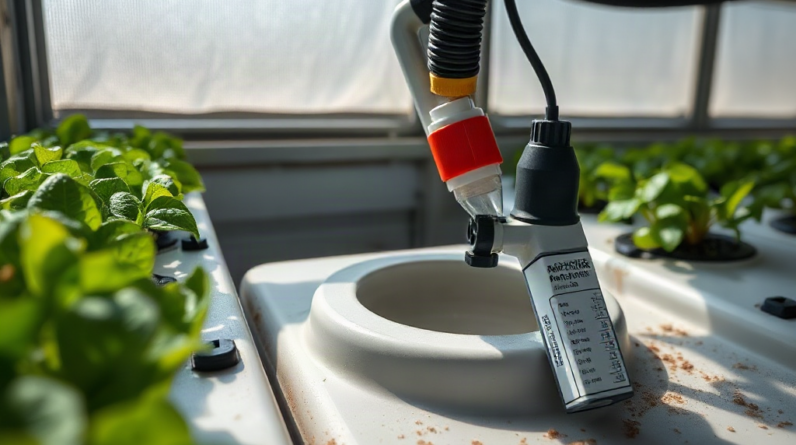
Monitoring nutrient levels is equally important. Regularly test your nutrient solution to ensure it contains the right balance of nitrogen, phosphorus, and potassium. Adjust your nutrient mix as needed to support the specific requirements of the microgreens you are growing.
Harvesting and Storing Microgreens
Harvesting hydroponic microgreens should be done when they reach about 1-3 inches in height and have developed their first true leaves. Use clean, sharp scissors to cut the greens just above the root line, ensuring minimal damage to the plant. This method allows for regrowth in some varieties, giving you multiple harvests.
After harvesting, rinse the microgreens gently and dry them using a salad spinner or a clean kitchen towel. Store your microgreens in a sealed container in the refrigerator, where they can remain fresh for up to a week. Proper storage techniques will help maintain their crispness and flavor.
Frequently Asked Questions
What are the best microgreens to grow hydroponically?
Some of the best microgreens for hydroponic growth include arugula, broccoli, and radish due to their quick growth and flavor profiles.
How long does it take to grow hydroponic microgreens?
Hydroponic microgreens typically take between 7 to 21 days to grow, depending on the variety and growing conditions.
Can you grow microgreens without sunlight?
Yes, microgreens can be successfully grown without sunlight by using artificial grow lights to provide the necessary light spectrum for photosynthesis.
How often should I water hydroponic microgreens?
Watering frequency depends on the system used, but generally, microgreens should be kept moist without becoming waterlogged. Check daily for moisture levels.
What nutrients do microgreens need?
Microgreens require a balanced nutrient solution containing nitrogen, phosphorus, and potassium, along with trace minerals for optimal growth.
Conclusion
Hydroponic microgreens growing is an efficient way to produce nutrient-dense greens quickly and easily. By focusing on seed selection, optimizing your growing environment, and maintaining careful attention to nutrient levels, you can achieve impressive yields. Remember to monitor conditions closely and adjust as needed to ensure healthy growth. With practice, you can refine your methods and enjoy fresh microgreens year-round.