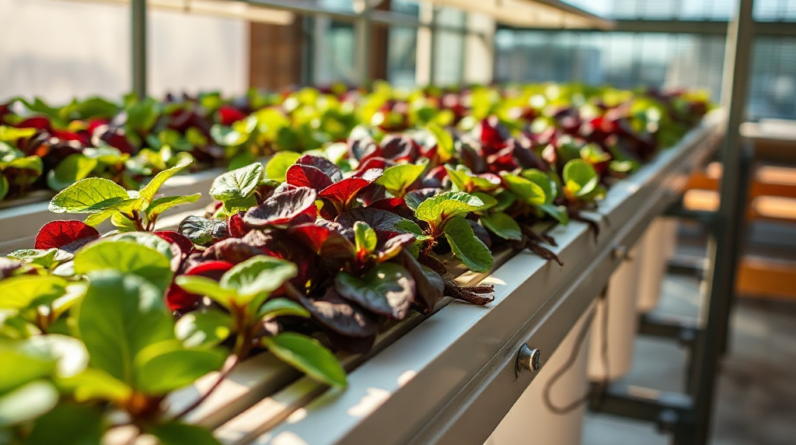
To assess nutrient deficiencies in hydroponics, closely monitor your plants for specific symptoms such as yellowing leaves, which often indicate nitrogen deficiency, or purple tinges that suggest phosphorus deficiency. It's essential to analyze your nutrient solution for correct ratios and pH levels, as imbalances can hinder nutrient absorption. Regular inspections can help identify issues early, allowing for timely adjustments to your nutrient mix. Additionally, be aware that environmental stressors can mimic deficiency symptoms, so consider the overall health of your hydroponic system when diagnosing problems. Implementing a consistent monitoring routine will enhance plant growth and prevent deficiencies.
Identifying Symptoms of Nutrient Deficiencies
Recognizing the symptoms of nutrient deficiencies is the first step in effective hydroponic gardening. Common signs include yellowing leaves, which may indicate nitrogen deficiency, or purple tinges on leaves, suggesting phosphorus deficiency. These symptoms manifest due to the plants’ inability to absorb essential nutrients, often exacerbated by environmental factors such as pH levels and temperature. For example, a nitrogen deficiency can lead to stunted growth and poor yield, while a lack of potassium can cause leaf tip burn and weak stems.
It’s crucial to regularly monitor your plants for these visual cues. Conducting a systematic inspection of your plants can help you catch deficiencies early. Note that environmental stressors can mimic nutrient deficiencies, so always consider the overall health of your system. A well-structured observation routine can help differentiate between actual deficiencies and other issues.
Understanding Nutrient Functions and Requirements
Each nutrient plays a specific role in plant health, and understanding these functions is essential for successful hydroponic gardening. Macronutrients like nitrogen, phosphorus, and potassium are needed in larger amounts, while micronutrients such as iron, manganese, and zinc are required in trace amounts. A balanced nutrient solution should provide all these elements in the right ratios.
For instance, nitrogen is vital for leaf growth and overall plant vigor, while phosphorus supports root development and flowering. A deficiency in any of these can lead to significant growth issues. Understanding these relationships helps in adjusting nutrient solutions effectively. Regular testing of nutrient solutions can help ensure that all essential elements are present and in proper concentration.
Analyzing Nutrient Solutions for Imbalances
Analyzing your nutrient solutions is key to identifying imbalances that can lead to deficiencies. Use a reliable EC (electrical conductivity) meter to measure nutrient concentration, and a pH meter to ensure your solution is within the optimal range of 5.5 to 6.5. Deviations from these parameters can hinder nutrient uptake, leading to deficiencies regardless of nutrient availability.
For example, a pH above 6.5 can lock out iron and manganese, causing deficiencies even when these nutrients are present. Regular analysis and adjustments are crucial in maintaining a balanced nutrient solution. Implementing a scheduled testing routine can help ensure that your plants receive the nutrients they need, thereby reducing the risk of deficiencies.
Preventive Measures and Best Practices
Preventing nutrient deficiencies is more effective than trying to correct them after they occur. Implementing best practices such as maintaining a steady nutrient delivery system and regularly checking pH and EC levels can greatly reduce the risk of deficiencies. Additionally, rotating crops and diversifying nutrient sources can help maintain soil health and nutrient availability.
For instance, using a comprehensive nutrient solution designed for hydroponic systems can ensure that all necessary elements are provided in the right amounts. Furthermore, keeping a detailed log of nutrient levels, plant growth, and environmental conditions can help identify trends and preemptively address potential deficiencies. This proactive approach can save time and resources in the long run.
Frequently Asked Questions
What are the common signs of nutrient deficiencies in hydroponics?
Common signs include yellowing leaves, stunted growth, and abnormal leaf shapes, which indicate specific nutrient shortages.
How often should I test my nutrient solution?
It is recommended to test your nutrient solution at least once a week to ensure optimal pH and nutrient levels.
Can environmental factors affect nutrient uptake?
Yes, factors like temperature, light, and humidity can significantly impact nutrient uptake and plant health.
What should I do if I suspect a nutrient deficiency?
First, identify the symptoms, test your nutrient solution, and adjust your feeding regimen accordingly.
Is it better to prevent deficiencies or fix them after they occur?
Preventing deficiencies through regular monitoring and balanced nutrient solutions is far more effective than attempting to correct them later.
Conclusion
Assessing nutrient deficiencies in hydroponics requires a thorough understanding of plant symptoms, nutrient functions, and solution analysis. Regular monitoring, combined with preventive practices, can significantly enhance plant health and yield. By prioritizing these steps, hydroponic gardeners can minimize the risk of deficiencies and ensure a thriving growing environment.
Related Content
- The Ultimate Guide to Hydroponics in 2025: 7 Effective Tips for Beginners
- Hydroponic Growing Tips: Essential Techniques for Thriving Plants
- Can Regular Seeds Be Used For Hydroponics?
- Unlock the Best Hydroponic Nutrients for Lettuce in 2026!
- Achieve Green Dreams on a Budget: Mastering a Low Cost Hydroponic Setup for Urban Gardening
Further Reading
Authoritative Sources
- USDA National Institute of Food and Agriculture
nifa.usda.govResearch and extension resources related to agriculture, plants, soil, and food systems.
- Extension Foundation Gardening Resources
extension.orgUniversity extension education resources for practical gardening and home agriculture topics.
- USDA Natural Resources Conservation Service
nrcs.usda.govSoil, water, conservation, and land management resources for practical growing decisions.