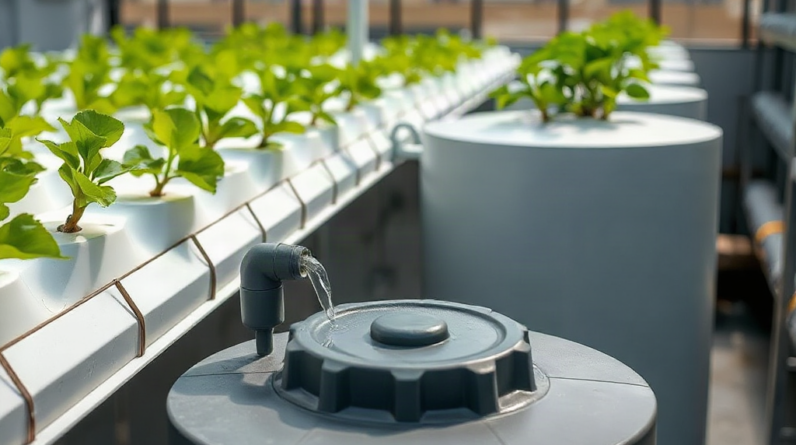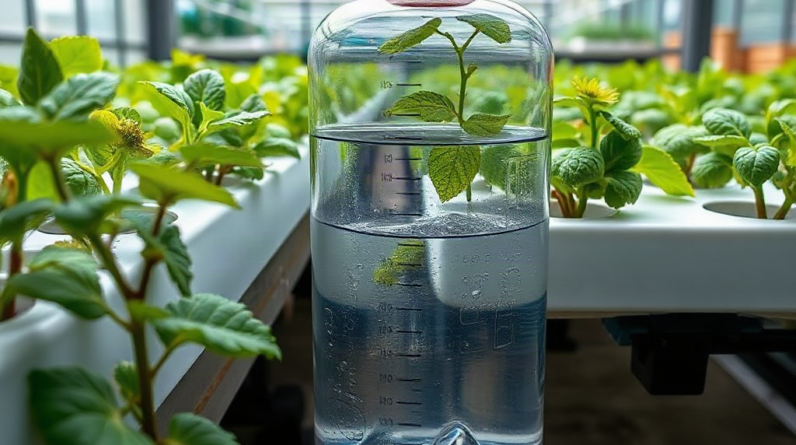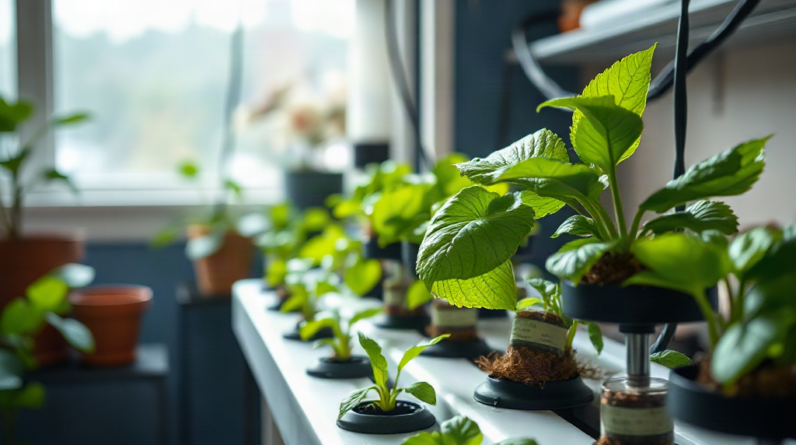
To manage nutrient solution clarity effectively, regularly monitor and adjust the solution to prevent cloudiness, which can impede plant growth. Utilize appropriate filtration systems to remove particulates and maintain balanced nutrient concentrations to avoid excess that can lead to turbidity. It's essential to check for contaminants like algae and microbial growth, as these can compromise clarity and plant health. A clear nutrient solution not only enhances light penetration but also supports optimal nutrient absorption, fostering robust plant development in your hydroponic system.
Understanding Nutrient Solution Clarity
Nutrient solution clarity is vital for the health of hydroponic systems, as it directly impacts light penetration and nutrient availability for plants. A clear solution allows for optimal light absorption by plant roots, enhancing photosynthesis and growth rates. Maintaining clarity is not just a matter of aesthetics; it is crucial for preventing issues that can arise from nutrient imbalances and microbial growth.
In hydroponics, clarity is influenced by several factors, including the composition of the nutrient solution and environmental conditions. A clear nutrient solution typically indicates a balanced mix of nutrients that plants can effectively absorb. Conversely, cloudiness often signals underlying issues that can affect plant health.
Common Causes of Cloudiness
Cloudiness in nutrient solutions can stem from various sources, including excess nutrients, algae growth, and microbial contamination. Over-fertilization is a frequent culprit; when nutrient levels exceed what plants can utilize, the excess can precipitate and cause turbidity. Algae can flourish in nutrient-rich solutions, especially under high light conditions, leading to a greenish tint and reduced clarity.
Microbial contamination is another significant factor. Bacteria and fungi can proliferate in nutrient solutions, especially if organic matter is present. This not only affects clarity but can also lead to root diseases and nutrient lockout. Regular monitoring for these issues is essential to maintain a healthy hydroponic environment.
Steps to Maintain Clarity
To effectively manage nutrient solution clarity, several proactive steps can be taken. First, ensure that the nutrient solution is properly balanced according to the specific needs of the plants being grown. This involves regular testing and adjustments to nutrient concentrations.
Implementing filtration systems, such as sediment filters or UV sterilizers, can help remove particulates and pathogens from the solution. Regularly replacing filters and cleaning reservoirs will also reduce the risk of cloudiness. Additionally, maintaining optimal light levels and minimizing organic debris in the system can greatly reduce algae growth and microbial contamination.
Monitoring and Adjusting Nutrient Solutions
Consistent monitoring of nutrient solutions is critical for maintaining clarity. Regularly check pH and electrical conductivity (EC) levels to ensure they are within the optimal range for the specific crops being cultivated. This helps prevent nutrient imbalances that can lead to cloudiness.
When cloudiness is observed, immediate action should be taken. This may include diluting the solution, adjusting pH, or even replacing the nutrient solution entirely. Keeping a log of nutrient levels and clarity can help identify patterns and prevent issues before they escalate.
Frequently Asked Questions
What causes nutrient solution clarity issues?
Common causes include excess nutrients, algae growth, and microbial contamination, which can cloud the solution and hinder plant health.
How can I prevent cloudiness in my nutrient solution?
Prevent cloudiness by maintaining balanced nutrient levels, using filtration systems, and regularly cleaning your hydroponic setup.
What should I do if my nutrient solution becomes cloudy?
If cloudiness occurs, check nutrient concentrations, adjust pH levels, and consider replacing the solution if necessary.
How often should I monitor my nutrient solution?
Monitoring should be done at least weekly, checking pH and EC levels to ensure they remain within optimal ranges for your plants.
Can I reuse nutrient solutions?
Reusing nutrient solutions is possible but requires careful monitoring and adjustments to maintain clarity and nutrient balance.
Conclusion
Managing nutrient solution clarity is essential for the success of hydroponic systems. By understanding the causes of cloudiness and implementing effective monitoring and maintenance strategies, growers can ensure optimal plant health and nutrient absorption. Regular checks of nutrient levels, pH, and clarity will help prevent issues before they become significant problems, leading to a more productive and efficient hydroponic garden.
Related Content
Further Reading
Authoritative Sources
- How to Make Hydroponic Nutrient Solution: Step-by- ...
hyjo.co.ukThis guide explains how to make a hydroponic nutrient solution, how to balance essential nutrients, and how to apply and monitor the solution ...
- Hydroponic Nutrient Solutions
extension.missouri.eduNutrient solution management involves properly making nutrient solutions, monitoring key water quality parameters, and making the necessary ...
- Mixing Hydroponic Nutrients: A Comprehensive Guide
dosatron.comRegularly monitor your plants for signs of nutrient deficiencies or excesses. Adjust the nutrient solution composition, pH, and EC levels accordingly.
- Optimizing Nutrient Uptake in Hydroponic Systems
papajoesproduce.com3 Simple Steps for Optimizing Nutrient Uptake in Hydroponics · Keep pH in the right range for the plants you're growing. · Keep EC at the right level to make sure ...