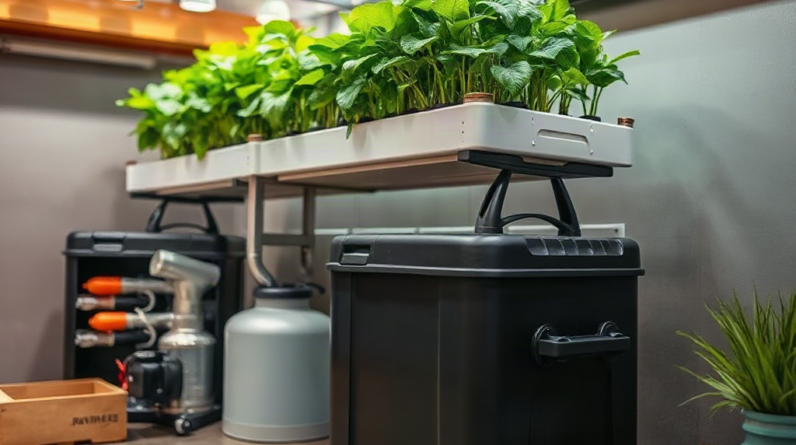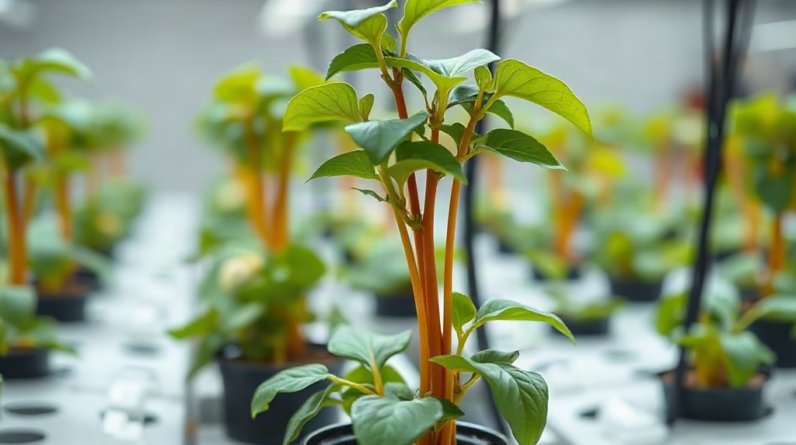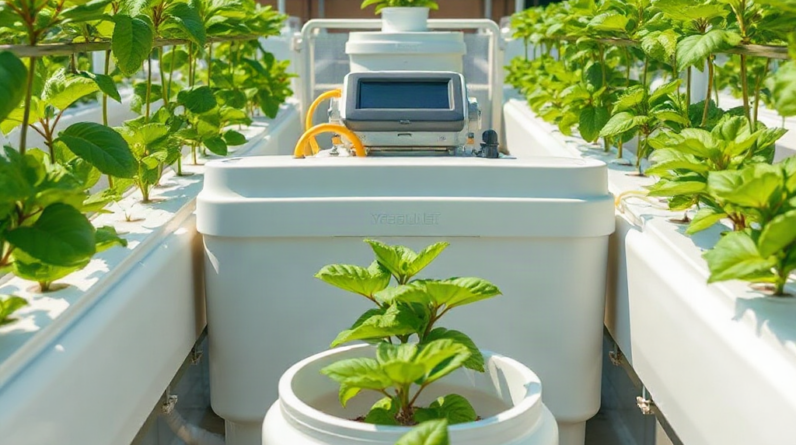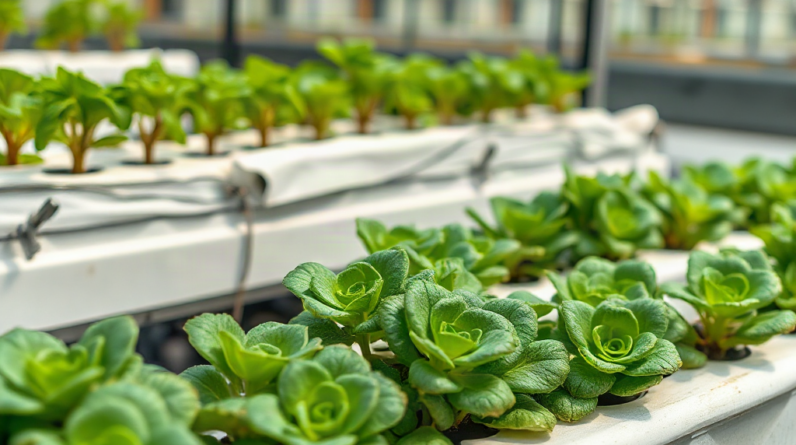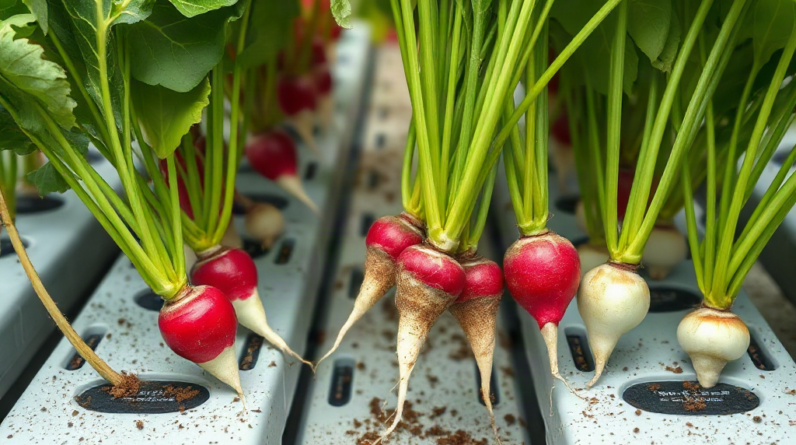
Compare hydroponic crop cycles by recording the same timeline, usable yield, labor, energy, water, and crop quality for each plant, then judging results against the space and equipment available. Separate seed-to-harvest time from regrowth time, because a fast first cut may produce less total food than a slower crop with repeated harvests. Track days to transplant, days to maturity, harvest weight, solution use, lighting hours, and downtime for cleaning. Keep cultivar, temperature, light intensity, nutrient management, and planting density as consistent as possible.
Define the Cycle Before Comparing Crops
A hydroponic crop cycle is more than the number of days printed on a seed packet. For a useful comparison, define when the clock starts, which harvest counts, and when the growing space becomes available for the next planting. A leafy green might be measured from sowing to its first cut, while a tomato or pepper may require a longer period before producing a meaningful crop. Comparing those crops with one simple “days to harvest” number produces a misleading result.
Use consistent milestones: sowing, emergence, transplanting, first harvest, final harvest, and system reset. The reset point matters because channels, trays, reservoirs, and tools may need cleaning before another crop enters the space. A crop that occupies a site for 35 days but requires 5 days of sanitation and replanting has a different annual capacity from one that occupies it for 45 days with a 1-day turnaround.
Regrowth also changes the calculation. Basil and chard may provide multiple cuts, whereas a compact head of lettuce is often harvested once. A single-cut crop can still be preferable when uniformity, simple scheduling, or quick space turnover matters. A repeat-harvest crop may deliver more total weight, but it also demands continued pruning, inspection, and nutrient management.
Write the comparison rule before the trial begins. Decide whether the goal is the earliest usable harvest, the greatest production per square foot, the lowest operating burden, or the most predictable supply. The common mistake is changing the goal after seeing the results, which makes a crop appear successful simply because it performed well on the easiest metric.
Measure Time, Yield, and Quality Together
Time and yield should be evaluated as a pair. Record days from sowing to the first usable harvest, then calculate total marketable or household-useful weight across the full occupancy period. “Usable” excludes roots, damaged leaves, severe tip burn, and material removed during trimming. Weighing only the largest harvest encourages a false comparison between a quick but small crop and a slower crop that produces steadily.
For example, imagine a leafy-green trial in which Crop A reaches a modest first harvest sooner, while Crop B takes longer but supplies two additional cuts. Crop A may suit a household that values immediate turnover, especially if several batches are staggered. Crop B may suit a grower with limited planting space who wants fewer sowing events. Neither is universally better; the result depends on whether the growing area is constrained by time, capacity, or attention.
Quality needs a defined standard rather than a casual visual judgment. Record size, texture, flavor, color, bolting, root condition, and the percentage discarded. A heavier harvest with coarse leaves may be less useful than a lighter harvest with consistent texture. Likewise, a crop that looks strong under ideal conditions may become unreliable when temperatures rise or lighting changes seasonally.
Use at least several comparable plantings when possible. One run can be distorted by uneven germination, a clogged emitter, a heat event, or seedlings of different ages. Keep cultivar, spacing, light schedule, nutrient strength, and reservoir maintenance similar. The failure mode to avoid is treating a difference caused by uneven starting material as evidence that one crop inherently has a better cycle.
Account for Inputs, Labor, and Downtime
A crop cycle consumes more than water and nutrients. Include lighting hours, pump operation, heating or cooling, growing media, seeds, replacement plants, and cleaning supplies. Home growers may not need a precise financial audit, but a simple input log reveals why a crop that produces attractive harvests can still be inconvenient or expensive to repeat.
Labor often separates two apparently similar crops. One may need frequent training, pruning, trellising, pollination, or inspection for pests. Another may need more careful germination but little attention after establishment. Log active minutes for sowing, transplanting, reservoir checks, pruning, harvesting, weighing, and sanitation. A crop that produces 500 grams but requires repeated interventions may be a poorer fit than one producing slightly less with a predictable weekly routine.
System compatibility belongs in the comparison. A fast, small-rooted green may perform comfortably in a shallow channel, while a fruiting plant can require stronger support, greater root volume, and a different irrigation pattern. A crop should not be penalized for failing in equipment that was never suited to its mature size. Conversely, expanding equipment for one crop may reduce the value of its yield once capital cost and maintenance are considered.
Downtime is another overlooked cost. Root disease, clogged drippers, algae, and biofilm can stop a cycle before harvest and force a full cleanout. A dependable comparison records interruptions and their causes rather than quietly excluding failed runs. Check whether the problem came from the crop, the system design, or the operating routine. The practical mistake is calling a crop “difficult” when the actual issue is inadequate drainage or an irrigation schedule that leaves roots oxygen-starved.
Turn Records Into a Practical Crop Choice
Once the records are complete, convert them into decisions instead of chasing one winning number. A useful worksheet can include occupancy days, total usable weight, yield per unit of growing area, harvests per cycle, discarded percentage, labor minutes, water additions, and reset days. Review both the average result and the range between runs. Predictability often matters more than a slightly higher peak yield when the harvest is intended for regular meals.
Rank each crop according to the purpose of the system. For continuous household supply, prioritize staggered maturity, repeat harvest potential, and a manageable weekly workload. For a small experimental setup, favor crops that fit the available root space and can be harvested before the next planting window. For a warm room, give greater weight to bolting resistance and stable quality than to a theoretical maturity date recorded under cooler conditions.
A simple decision process works well:
- Set the constraint: identify whether space, time, electricity, water, labor, or reliability limits the garden.
- Normalize the records: compare the same crop stage, area, planting density, and harvest definition.
- Calculate useful output: include only edible or saleable material and account for downtime.
- Check operational fit: consider support, pruning, sanitation, and the grower’s actual schedule.
- Repeat the leading trial: confirm that the apparent advantage survives another comparable cycle.
Do not overinterpret small differences. A few extra days may be acceptable if they reduce labor or produce better quality, while a fast crop may lose its advantage when frequent sowing and cleaning are included. The best comparison is therefore local: it reflects your cultivar, room temperature, lighting, system, and habits. A useful crop-cycle record should make those conditions visible.
Use the results to build a rotation rather than selecting only one plant. Pair a quick crop with a slower, longer-producing crop if the system has separate sites or staggered planting dates. Revisit the comparison after changing light intensity, nutrient concentration, temperature, or spacing, because those changes alter the cycle itself. Keep notes on what worked and what failed so the next hydroponic crop comparison begins with a reliable baseline.
Frequently Asked Questions
Should the cycle begin at sowing or transplanting?
Use sowing when comparing total production time and transplanting when comparing time occupying the main system. Recording both gives the clearest picture.
Is a faster crop always the better choice?
No. A slower crop may provide more usable weight, better quality, or fewer labor-intensive harvests. Compare output and workload together.
How should repeat harvests be counted?
Record each usable cut and stop when quality falls, the plant is removed, or the space is needed for the next batch.
What should be recorded besides harvest weight?
Track occupancy days, discard rate, labor, water additions, lighting, interruptions, environmental conditions, and reset time.
How many cycles are needed for a fair comparison?
More than one comparable run is preferable. Repeating the trial reduces the chance that a clogged line, heat event, or uneven seedlings determine the conclusion.
Further Reading
Authoritative Sources
- Academy of Nutrition and Dietetics
eatright.orgProfessional nutrition guidance, healthy eating resources, and practical dietitian-reviewed advice.
- U.S. Department of Agriculture
usda.govOfficial food, nutrition, agriculture, and consumer guidance from the USDA.
- NIH Office of Dietary Supplements
ods.od.nih.govResearch-based fact sheets on nutrients, supplements, dietary intake, and safety considerations.
- International Society of Sports Nutrition
sportsnutritionsociety.orgEvidence-informed sports nutrition resources and position stands for active people and athletes.
Conclusion
A sound comparison of hydroponic crop cycles measures the whole production window, not merely the first harvest date. Define the start and end points, separate single-cut crops from repeat-harvest plants, and record usable weight, quality, labor, inputs, and reset time. Then judge the results against the actual constraint in your garden: limited space, a fixed lighting budget, irregular availability, or a need for dependable weekly harvests. Repeat promising trials under comparable conditions before redesigning the system around one result. A simple log that captures both successful growth and interruptions will reveal whether a crop’s advantage comes from its biology or from a temporary favorable setup. Use that evidence to build a rotation that fits your equipment and routine.
Related Content
- How to Ensure Effective Nutrient Delivery in Hydroponics: Key Techniques and Common Mistakes
- Hydroponic Growing Tips: Essential Techniques for Thriving Plants
- 10 Effective DIY Hydroponic System Tips for 2025: The Ultimate Guide
- What Do Agricultural Experts Say About Hydroponic Farming
- Issues With Nutrient Absorption in Hydroponics: Common Causes and Solutions