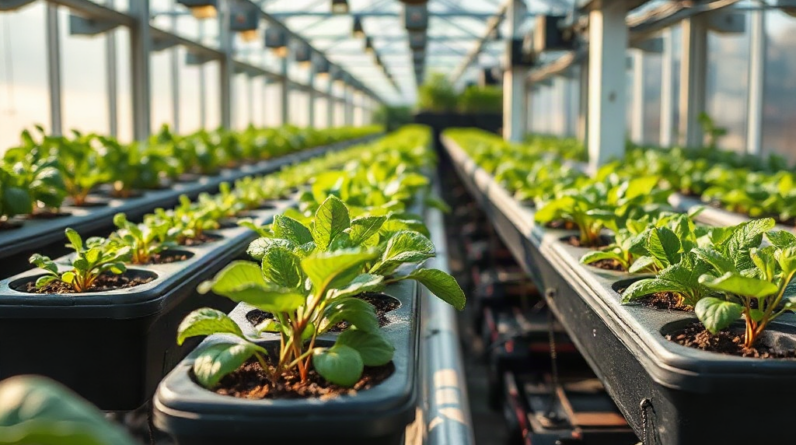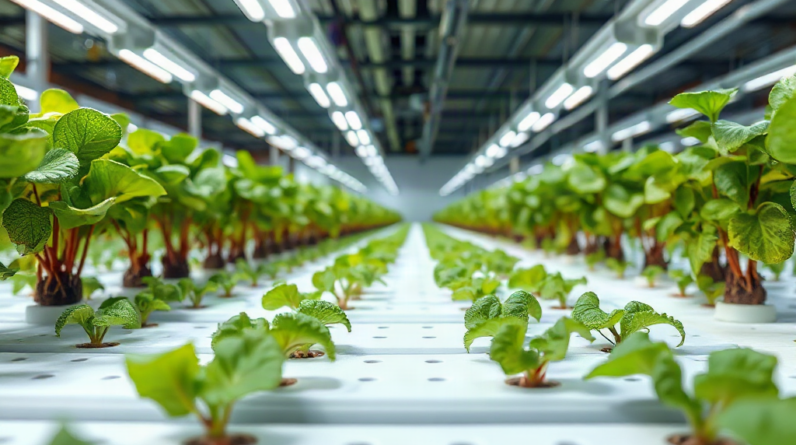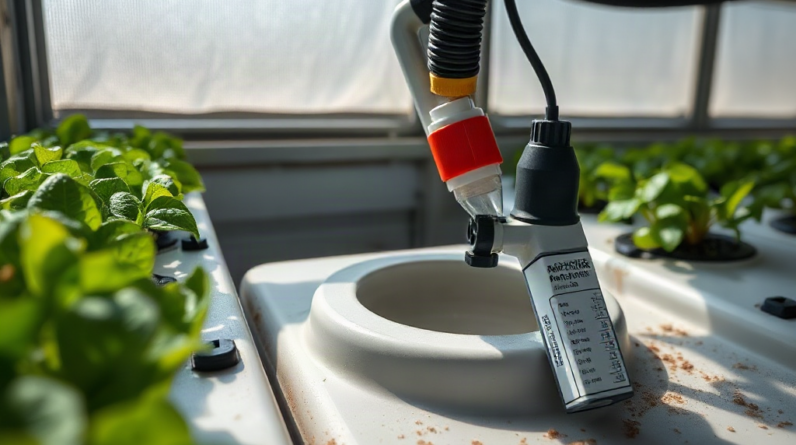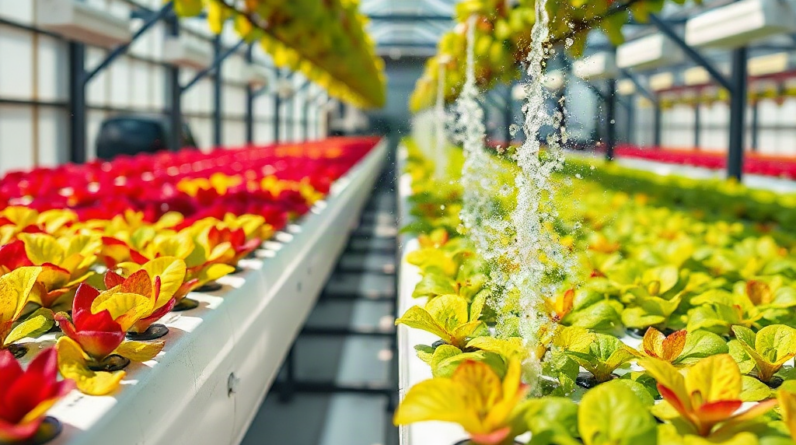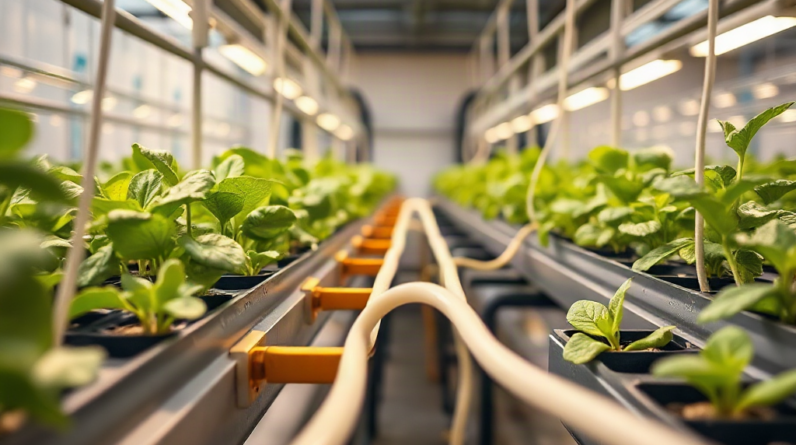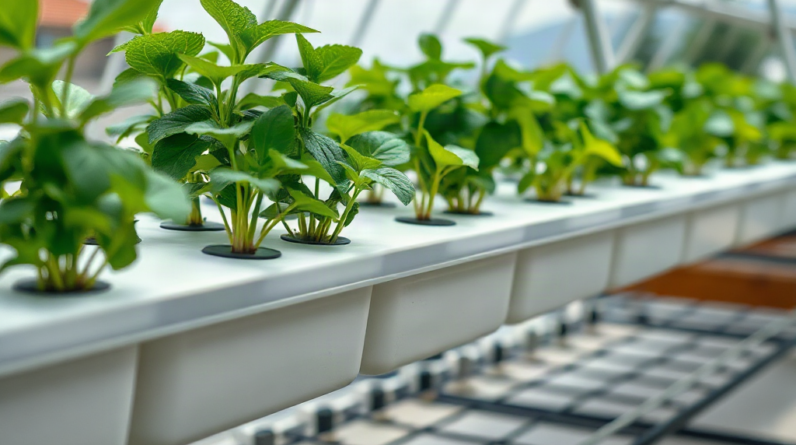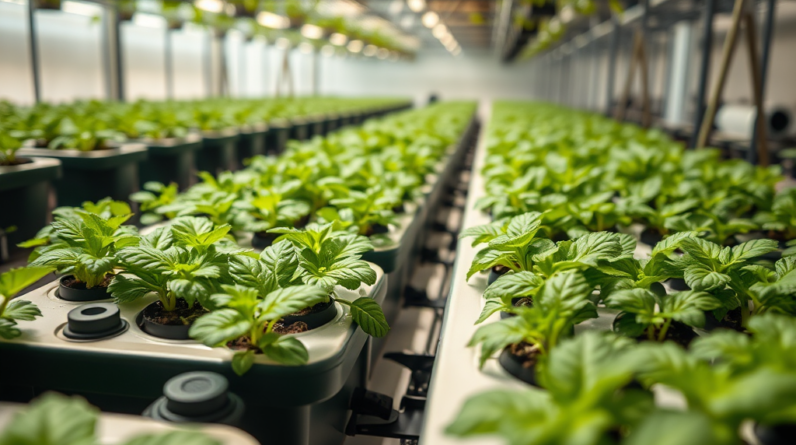
Nutrient absorption issues in hydroponics can arise from pH imbalances, improper nutrient concentrations, and poor root health. Maintaining a pH between 5.5 and 6.5 is essential, as deviations can render nutrients unavailable to plants. Additionally, it's important to monitor nutrient solution concentration; too diluted can lead to deficiencies, while too concentrated can cause nutrient burn. Regularly checking root health is crucial, as unhealthy roots can severely restrict nutrient uptake. Implementing these practices will enhance nutrient absorption and promote healthier plant growth in hydroponic systems.
Understanding Nutrient Absorption in Hydroponics
Nutrient absorption in hydroponics is a critical factor influencing plant growth and yield. Plants rely on a balanced nutrient solution to thrive, and understanding how nutrients are absorbed is vital for successful hydroponic gardening. Nutrients are taken up through the roots in a dissolved form, and various factors such as water temperature, oxygen levels, and nutrient concentration significantly affect this process. The roots must be healthy and well-oxygenated to facilitate optimal nutrient uptake.
In hydroponic systems, the absence of soil means that nutrient availability is entirely dependent on the nutrient solution provided. Thus, any issues with nutrient absorption can lead to deficiencies, impacting plant health and productivity. Regular monitoring of nutrient levels and environmental conditions is essential to prevent absorption problems.
Common Causes of Nutrient Absorption Issues
Several factors can lead to nutrient absorption issues in hydroponics. One of the most prevalent causes is pH imbalance. The ideal pH range for most hydroponic plants is between 5.5 and 6.5. If the pH deviates from this range, certain nutrients become unavailable to the plants, leading to deficiencies and stunted growth.
Another common issue is nutrient concentration. If the nutrient solution is too diluted, plants may not receive adequate nutrients, while an overly concentrated solution can cause nutrient burn. Additionally, poor root health, often due to diseases or insufficient oxygen, can severely limit nutrient uptake. Regularly inspecting the roots and maintaining optimal oxygen levels in the growing medium are crucial steps to mitigate these issues.
Methods to Enhance Nutrient Uptake
To improve nutrient absorption in hydroponics, several methods can be implemented. First, maintaining the correct pH level is essential. Regularly testing the pH of the nutrient solution and making adjustments as needed can ensure optimal nutrient availability. Utilizing pH buffers can also help maintain stability in the nutrient solution.
Another effective method is to periodically flush the system with clean water to remove any nutrient buildup that could hinder absorption. This practice helps reset the nutrient levels and prevents the roots from becoming overwhelmed by excess salts. Furthermore, ensuring that the nutrient solution is well-aerated can enhance root oxygenation, promoting better nutrient absorption.
Monitoring and Adjusting Nutrient Solutions
Regular monitoring of nutrient solutions is vital for successful hydroponic gardening. Growers should invest in quality pH and EC (electrical conductivity) meters to track nutrient levels accurately. Maintaining the right balance between macro and micronutrients is crucial, as deficiencies or excesses can lead to significant problems.
Adjusting the nutrient solution based on plant growth stages is another effective strategy. For instance, younger plants may require different nutrient ratios compared to mature plants. By tailoring the nutrient solution to the specific needs of the plants, growers can enhance nutrient absorption and overall plant health.
For those looking to deepen their understanding of nutrient management in hydroponics, consider exploring resources from agricultural extensions and hydroponic research institutions. Official publications often provide insights into best practices and the latest research findings in hydroponic nutrient management.
Frequently Asked Questions
What is the ideal pH for nutrient absorption in hydroponics?
The ideal pH range for nutrient absorption in hydroponics is between 5.5 and 6.5. Maintaining this range ensures that essential nutrients are available to the plants.
How can I tell if my plants are experiencing nutrient deficiencies?
Common signs of nutrient deficiencies include yellowing leaves, stunted growth, and poor fruit development. Regular monitoring and observation can help identify these issues early.
What are the best practices for maintaining nutrient solutions?
Best practices include regularly testing and adjusting pH and EC levels, flushing the system periodically, and ensuring proper aeration of the nutrient solution.
Can over-fertilization affect nutrient absorption?
Yes, over-fertilization can lead to nutrient burn and hinder absorption. It is crucial to follow recommended nutrient concentrations and monitor plant responses.
How often should I change the nutrient solution?
It is recommended to change the nutrient solution every two to three weeks, depending on plant growth and nutrient uptake rates.
Further Reading
Authoritative Sources
- USDA National Institute of Food and Agriculture
nifa.usda.govResearch and extension resources related to agriculture, plants, soil, and food systems
- Extension Foundation Gardening Resources
extension.orgUniversity extension education resources for practical gardening and home agriculture topics
- USDA Natural Resources Conservation Service
nrcs.usda.govSoil, water, conservation, and land management resources for practical growing decisions
Conclusion
Addressing issues with nutrient absorption in hydroponics is vital for achieving healthy plant growth and maximizing yields. By understanding the causes of absorption problems, such as pH imbalances and nutrient concentration, growers can implement effective solutions. Regular monitoring of nutrient solutions, maintaining optimal environmental conditions, and adjusting nutrient ratios according to plant growth stages are essential practices. Prioritizing these factors will lead to robust plant health and successful hydroponic gardening.