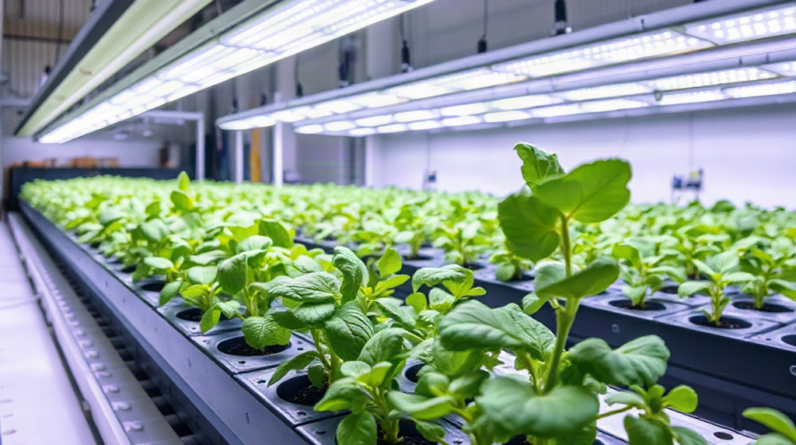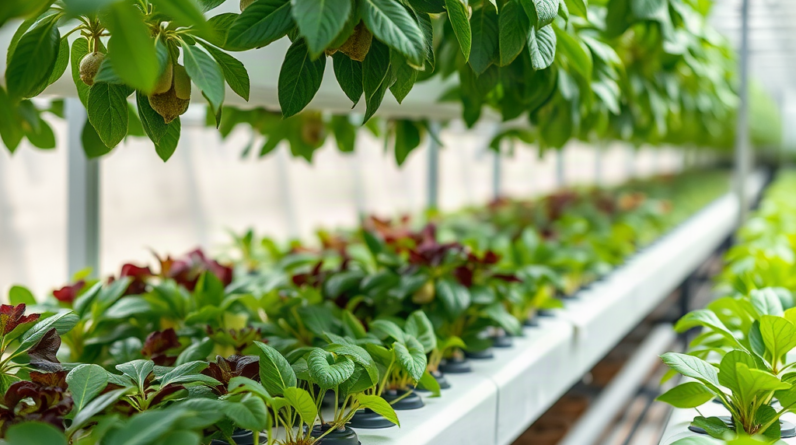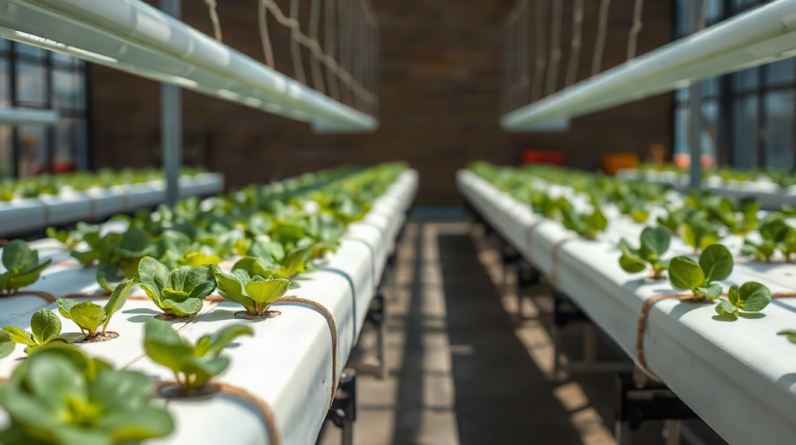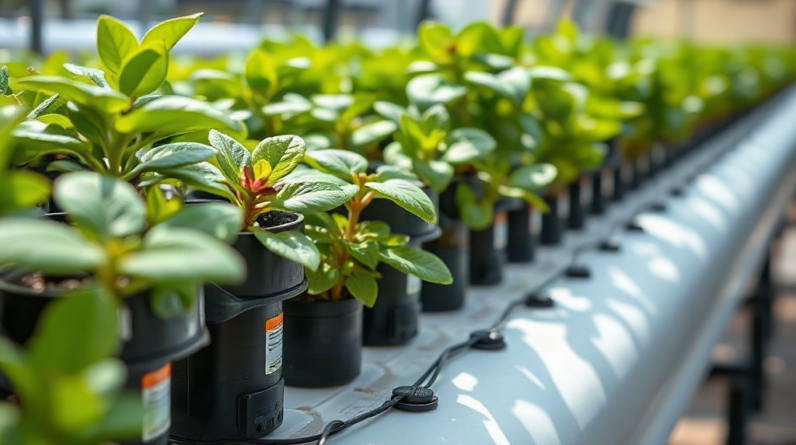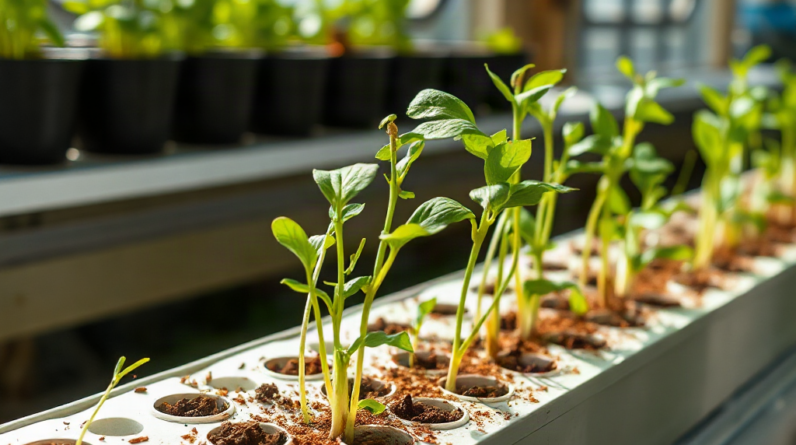
Harvest timing affects hydroponic flavor by determining the balance of sugars, acids, aromatic compounds, bitterness, and texture present when a crop is picked. Leafy greens harvested young are usually tender and mild, while delayed harvest can bring tougher leaves, stronger bitterness, or bolting; basil and other herbs often lose aromatic quality after flowering begins. Tomatoes and strawberries need sufficient plant-ripening time to develop sweetness and aroma, although leaving them too long raises softening and damage risks. Judge readiness by crop-specific signs, taste samples, time of day, and recent growing conditions rather than relying only on seed-packet maturity dates.
Why Flavor Changes as Hydroponic Crops Mature
Flavor develops continuously rather than appearing on a single maturity date. As a plant grows, it changes how carbohydrates, organic acids, pigments, aromatic oils, water, and defensive compounds are distributed through its edible tissues. Harvesting captures one stage in that progression. An early leaf may be delicate and mildly sweet, whereas an older leaf from the same plant may be fibrous, pungent, or bitter.
Texture is part of the flavor experience. Young lettuce and Asian greens generally have thinner cell walls and a crisp but tender bite. As leaves expand and age, structural tissue increases. Heat, intense light, or the approach of flowering may accelerate the shift toward stronger flavors and tougher textures. A large head is therefore not automatically a better-tasting head. Waiting for maximum size can exchange eating quality for a modest increase in weight.
Herbs follow a related pattern, but aroma matters more than bulk. Basil, mint, cilantro, and similar crops contain volatile compounds that create their recognizable scent. The concentration and balance of those compounds change with leaf age, environmental stress, and reproductive development. Basil harvested before heavy flowering commonly has tender leaves and a cleaner culinary aroma. After flowering advances, leaves can become firmer and the flavor may seem harsher. Cilantro presents an even narrower usable window because warm conditions and long days can push it rapidly toward bolting.
Fruiting crops require the opposite judgment. A tomato picked before meaningful color development may remain firm enough to ship, but it has had less time on the plant to accumulate the sugars and aroma associated with full ripeness. A fruit left attached too long may taste rich yet become soft, split, or vulnerable to handling damage. Strawberries do not gain the same degree of sweetness after picking that they gain while attached, so visible color, aroma, and texture carry more weight than calendar age.
The weak assumption is that hydroponic produce tastes watery because it grows without soil. Flavor is more directly affected by genetics, light, temperature, nutrient balance, crop load, water relations, and maturity at harvest. The practical question behind How harvest timing affects hydroponic flavor is not whether later is universally better, but which stage gives each crop the desired balance of tenderness, sweetness, acidity, aroma, and shelf life.
Harvest Windows for Greens, Herbs, and Fruiting Crops
Each crop has a useful harvest window rather than one perfect moment. Growers can narrow that window by observing edible size, color, firmness, aroma, and reproductive growth. Days to maturity remain useful for scheduling, but they are estimates based on particular conditions and may not match an indoor garden’s cultivar, light intensity, temperature, or transplant age.
Leafy greens
Baby lettuce, kale, arugula, and mustard greens are usually mildest and most tender when harvested before full leaf expansion. Mature leaves provide more mass and may carry a stronger cultivar-specific flavor. With arugula or mustard, that intensity may be desirable; with lettuce, pronounced bitterness or a tough midrib often signals that the preferred eating window is closing. A rising central stem, elongated internodes, or increasingly pointed new leaves can indicate that bolting has begun.
Cut-and-come-again production adds another constraint. Removing outer leaves while preserving the growing point extends the harvest, but repeatedly retaining old leaves can reduce quality. Pick marketable outer leaves before their edges yellow, dry, or become physically damaged. If the entire plant is wanted as a head, compare size against taste rather than waiting solely for the largest possible canopy.
Culinary herbs
Basil is often best cut when stems have several healthy leaf pairs but before flowering dominates the canopy. Cutting just above a node encourages branching and supplies tender tips. Mint tolerates repeated cutting and may taste more concentrated when growth is sturdy rather than overly lush. Cilantro should be sampled early because its transition from broad vegetative leaves to finer flowering growth can happen quickly. Once bolting starts, leaving some plants for coriander seed may be more useful than expecting prolonged leaf quality.
Tomatoes, peppers, and strawberries
Tomatoes intended for immediate eating can remain attached until they have developed the expected cultivar color and yield slightly without feeling soft. Harvesting at the breaker stage, when color first becomes visible, can reduce splitting and handling losses, but fully plant-ripened fruit often offers a stronger aroma. Peppers are edible while green and firm, yet allowing them to reach their mature color usually produces a sweeter, more developed flavor. The tradeoff is time: mature-colored peppers occupy the plant longer and may reduce how quickly additional fruit can size.
Strawberries should show even cultivar-appropriate color, a noticeable aroma, and tender flesh without leakage or collapse. Pale shoulders or white areas usually indicate incomplete ripening. The common mistake across fruiting crops is using color alone. Check firmness, scent, recent water uptake, and taste from representative fruit. Appearance can lead flavor, especially when environmental conditions have changed during ripening.
How Light, Nutrition, and Water Shift the Best Picking Time
Harvest timing cannot compensate fully for weak growing conditions. A crop needs adequate light and a stable root zone to produce the carbohydrates and aromatic compounds that maturity later concentrates or balances. Extending an underlit tomato’s time on the vine may increase softness without creating the expected sweetness. Likewise, holding stressed lettuce for extra size can intensify bitterness rather than improve quality.
Light is a major driver because photosynthesis supplies sugars used in growth and flavor development. Dense canopies complicate this relationship: upper leaves may receive strong light while lower leaves remain shaded, creating uneven maturity on the same plant. Rotate or space plants where practical, and harvest lower leaves before prolonged shading causes yellowing. With tomatoes and strawberries, preserve enough healthy foliage to support ripening instead of removing leaves aggressively in an attempt to expose every fruit.
Nutrient concentration also influences quality, but stronger feed does not automatically mean stronger flavor. Excessive nitrogen can produce rapid, soft vegetative growth in herbs and greens, while an imbalanced or overly concentrated solution can cause stress, marginal burn, or restricted water uptake. Electrical conductivity is useful for tracking total dissolved salts, but it does not reveal whether individual nutrients are in balance. Measure pH and solution concentration consistently, inspect roots, and follow crop-appropriate nutrient directions rather than making a large late-stage adjustment to chase flavor.
Water status changes both concentration and texture. Produce harvested after a stable dark period is often well hydrated, which is valuable for crisp greens. During hot or high-light periods, leaves may lose water faster and become temporarily limp. Fruit can present the reverse concern: a sudden increase in water availability near ripeness may contribute to dilution, cracking, or splitting in susceptible tomatoes. Deliberately stressing plants to intensify flavor is risky in a small hydroponic system because root-zone conditions can change quickly and unevenly.
Recent conditions should therefore shape the picking decision. After a lighting failure, heat event, pump interruption, or major solution correction, taste and inspect the crop instead of assuming its usual schedule still applies. Harvest marketable greens before an expected heat period if bolting is already visible. Give sound fruit additional plant time when it is firm and undercolored, but remove damaged or splitting fruit promptly.
A common failure is changing nutrition and harvest age at the same time, then attributing the result to one variable. Growers investigating How harvest timing affects hydroponic flavor should hold the cultivar and root-zone program steady while comparing harvest stages. That separation makes the tasting result useful rather than anecdotal.
A Practical Method for Finding Peak Flavor
A controlled tasting log is the most reliable way to identify the preferred harvest point in a specific garden. Seed-packet dates establish a starting range, but repeated observations connect that range to the actual cultivar, equipment, room conditions, and culinary use. The goal is not to assign a universal score. It is to determine when the crop tastes right for salads, cooking, storage, or immediate eating.
Begin with plants of the same cultivar and similar age. Keep the nutrient formula, lighting schedule, and sampling method consistent. For lettuce or basil, compare leaves of similar position and size on successive days. For tomatoes, compare fruit at first color, full color while firm, and full color with slight softness. Do not compare a shaded lower leaf with a brightly lit tip or a small overloaded tomato with a larger fruit from a lightly loaded cluster.
- Define the target. Decide whether tenderness, sweetness, aroma, pungency, acidity, storage life, or yield matters most.
- Record visible readiness. Note size, color, flowering, firmness, leaf shape, and any damage.
- Standardize sampling. Harvest at a similar time of day and taste the crop plain before seasoning or cooking.
- Score useful traits. Use simple ratings for flavor intensity, bitterness, sweetness, aroma, texture, and aftertaste.
- Repeat before changing practice. Confirm the result across several plants or harvests rather than relying on one unusually good specimen.
Time of day deserves consistency even when it is not the main variable. Greens gathered while cool and hydrated usually retain crispness better than leaves cut after hours of strong light and heat. Herbs should be handled gently and cooled promptly because bruising and prolonged warmth accelerate aroma loss. Tomatoes intended for flavor assessment should be tasted at a comparable serving temperature; cold storage can mute perceived aroma and make otherwise similar fruit seem different.
Success appears as a repeatable combination of sensory quality and acceptable handling life. A basil harvest point that gives excellent fragrance but wilts before it reaches the kitchen may be too late or poorly handled. A tomato stage that stores well but tastes consistently sharp and faint may be too early for immediate eating. Commercial growers may reasonably choose a firmer stage than home growers because packing and transport add constraints.
Failure signs include inconsistent samples, rapid postharvest collapse, advanced flower stalks in greens, soft or split fruit, and flavor ratings that vary with unrelated changes in the nutrient solution. Change one factor at a time. Once a preferred window is clear, write it as observable criteria—such as “full red, firm with slight give”—rather than only “day 72.” That wording remains useful when seasonal room temperatures or plant growth rates shift.
Frequently Asked Questions
Does harvesting hydroponic lettuce early make it taste better?
Early harvest usually produces smaller, more tender, milder leaves. Waiting increases yield, but older lettuce may become tougher or bitter, especially when heat, intense light, or bolting is involved.
What time of day is best for harvesting hydroponic greens?
Harvest when leaves are cool and fully hydrated, commonly near the end of the dark period or early in the light period. Consistent timing also makes flavor comparisons more reliable.
Should hydroponic tomatoes ripen completely on the plant?
For immediate eating, allowing sound fruit to develop full cultivar color on the plant often improves aroma and flavor. Pick earlier if cracking, softness, transport, or pest damage is a concern.
Does basil become bitter after flowering?
Flowering can coincide with firmer leaves and a stronger or less balanced flavor. Regular cuts above nodes and early flower removal can extend tender leaf production, though plant age and heat still matter.
Can increasing nutrient strength improve flavor before harvest?
Not reliably. A sudden increase can stress roots, restrict water uptake, or cause tissue damage. Stable, crop-appropriate nutrition and adequate light are safer foundations for evaluating harvest maturity.
Conclusion
Peak flavor is a crop-specific window defined by sensory quality, maturity, and intended use—not simply the greatest size or the printed days to harvest. Pick greens before toughness, bitterness, or bolting overtakes useful yield; cut culinary herbs while leaves remain aromatic and tender; and give fruiting crops enough attached ripening time to develop color, sweetness, and aroma without accepting splitting or excessive softness.
Start by keeping light, nutrition, and root-zone conditions stable. Then compare representative samples at defined maturity stages and record color, firmness, aroma, texture, and taste. A few consistent harvest trials will produce a more dependable schedule than calendar dates alone. Preserve the result as observable criteria for each cultivar so future harvests can be adjusted when temperature, crop load, or growth rate changes.