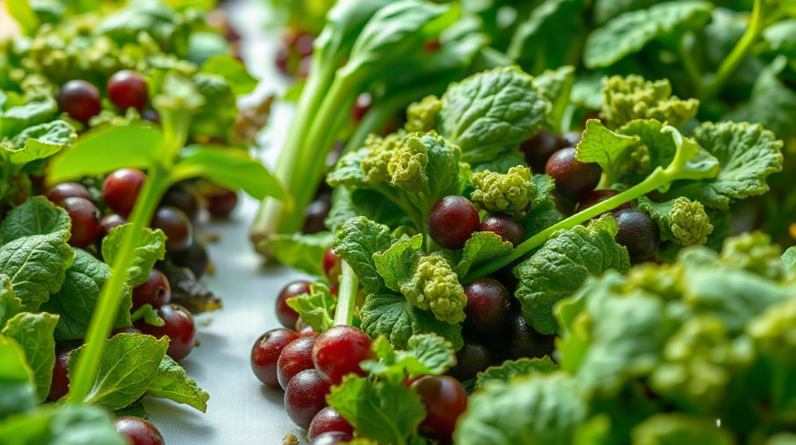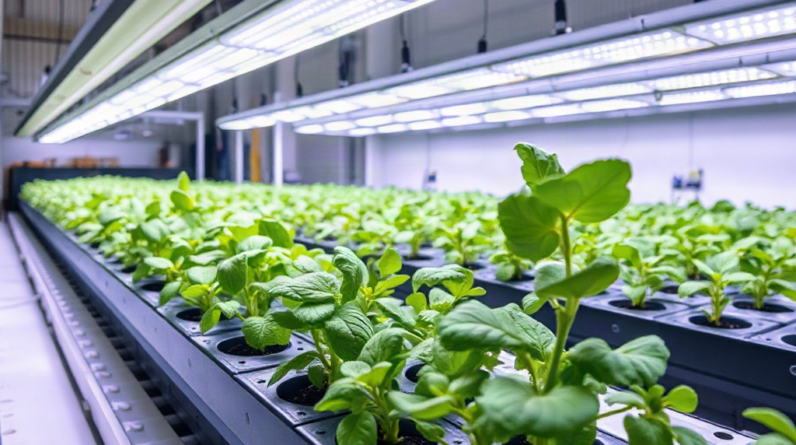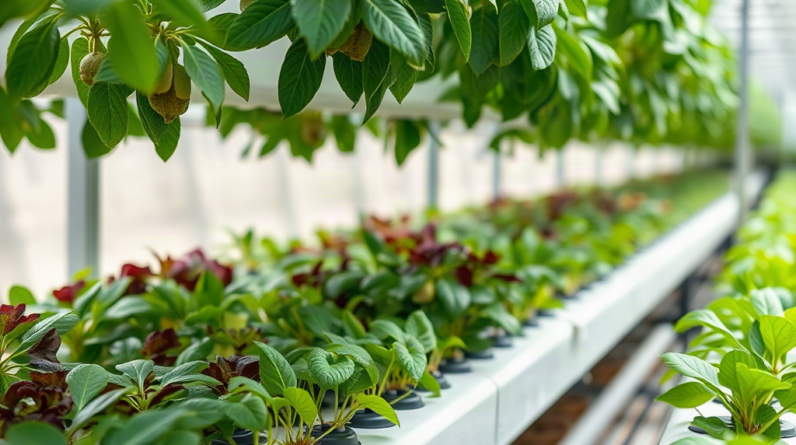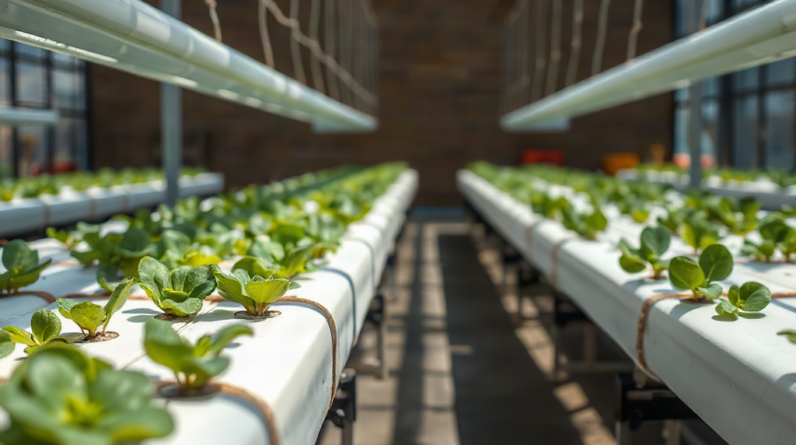
Issues with hydroponic vegetable shelf life usually come from harvest heat, excess surface moisture, bruising, immature or overmature picking, and storage conditions that do not match the crop. Leafy greens lose crispness when they are harvested warm and sealed while wet, while tomatoes, cucumbers, and peppers may soften after chilling or rough handling. Harvest at the crop’s usable maturity, remove damaged material, cool produce promptly without freezing it, and store each vegetable in clean packaging with suitable airflow. Record harvest dates and inspect stored crops daily; sliminess, sour odors, mold, leaking tissue, or widespread discoloration mean the affected produce should be discarded rather than trimmed casually.
Why Hydroponic Vegetables Spoil So Quickly
Short shelf life is usually a chain problem rather than a single defect in the growing method. Produce may leave the growing area in excellent condition yet deteriorate rapidly because it was warm, wet, bruised, or overmature before it reached the refrigerator. Hydroponic vegetables have no special immunity from respiration, water loss, microbial decay, or tissue breakdown. Their quality after harvest still depends on crop maturity, temperature, humidity, cleanliness, and handling.
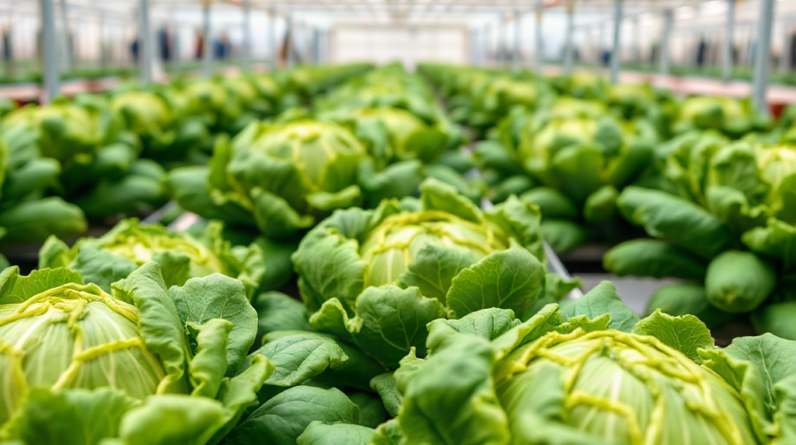
Leafy crops show the problem first. Lettuce, arugula, bok choy, and young kale continue to respire after cutting. Respiration consumes stored energy and produces heat; warmer leaves respire faster, so a harvest left beside grow lights or in a warm basket can wilt before storage begins. Roots and stems also lose water through exposed cut surfaces. A crisp leaf that was harvested at midday may therefore perform worse than one harvested during a cooler part of the light cycle, even when both plants received identical nutrition.
Moisture creates a separate failure route. Surface droplets trapped in a sealed bag encourage sliminess and decay, but extremely dry storage pulls water from leaves and causes limp edges. The goal is not to make every crop as dry as possible. It is to remove free water while retaining enough humidity to limit dehydration. That balance differs between a delicate lettuce head and a firm pepper.
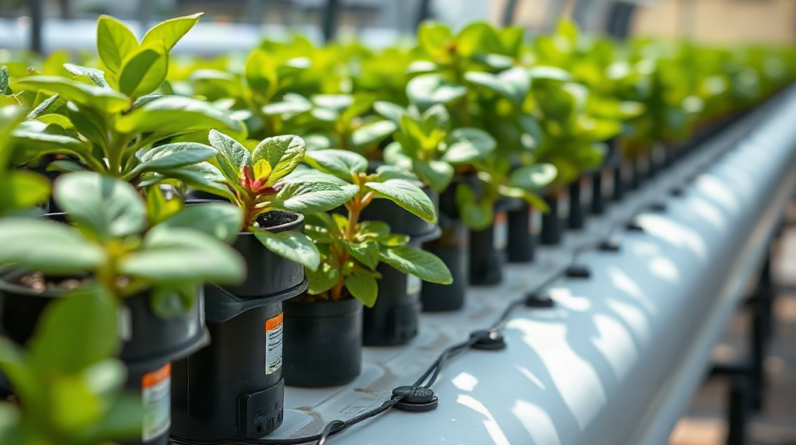
Hydroponic production can add practical complications. A crop may be harvested directly from a nutrient-rich, humid root-zone environment, leaving stems or outer leaves damp. Crowded canopies may hide bruised tissue or yellowing leaves. Harvest containers used repeatedly without washing can transfer decay organisms from one batch to the next. These conditions do not prove that the produce is unsafe, but they shorten marketable quality and make defects appear sooner.
A useful way to investigate issues with hydroponic vegetable shelf life is to separate quality loss into three observations: wilting, tissue breakdown, and off-odor or mold. Wilting points toward water loss or heat. Breakdown points toward bruising, trapped moisture, or excessive age. Odor and mold indicate active spoilage and require a more cautious response. Treating all three as a generic “freshness” issue often leads to the wrong fix.
Harvest Maturity, Heat, And Handling Damage
Harvest maturity sets the starting point for storage life. Young leaves may be tender but fragile, while older leaves can be tougher and more likely to show yellowing. Cucumbers picked after seeds enlarge may have a shorter pleasant-eating window than fruit harvested at the intended size. Tomatoes continue changing after harvest, but a fully colored fruit has a different handling profile from a mature-green one. The best harvest point depends on whether the crop will be eaten immediately, transported, or held for several days.
Heat is often underestimated in indoor gardens. Lights, pumps, warm air, and crowded shelving can keep harvested tissue warmer than the surrounding room. Placing warm leaves into a closed container traps that heat. A short cooling period in a clean, shaded location may be useful before packing, provided the crop is not left exposed long enough to wilt. Cooling should be gentle and crop-appropriate; freezing or severe chilling can damage sensitive vegetables.
Cutting technique matters because crushed tissue deteriorates faster than cleanly severed tissue. A dull knife tears stems and leaves, creating more damaged area. Dropping a full harvest tote, compressing greens under heavier vegetables, or packing produce tightly against hard edges can produce defects that become visible several hours later. Small wounds are especially consequential when condensation forms around them.
Consider two harvest scenarios. In the first, basil is cut with a clean blade, sorted immediately, kept shaded, and placed in packaging that does not crush the stems. In the second, it is left in the grow room for an afternoon, sprayed during cleanup, and packed while wet. The second batch may brown or become limp even though the plants looked healthy at cutting. The difference is post-harvest exposure, not necessarily a nutrient deficiency.
Sort before storage rather than hoping the container will preserve everything equally. Remove yellow leaves, split fruit, leaking tissue, and visibly bruised pieces. One decaying item can spread moisture and microorganisms through a tightly packed package. Do not wash every crop automatically if you cannot dry it thoroughly afterward. For home use, washing immediately before eating is often simpler; for a distribution workflow, washing and drying must be treated as a controlled process rather than an extra splash of water.
The common mistake is choosing harvest time solely by convenience. A schedule that cuts all crops at the same hour may work poorly when leafy greens, fruiting vegetables, and herbs have different heat and moisture sensitivities. Keep a simple record of cutting time, room conditions, packing time, and the first day of visible decline. That record reveals whether the problem begins before harvest or during storage.
Cooling, Moisture, And Crop-Specific Storage
Storage works when temperature, humidity, packaging, and airflow suit the vegetable rather than when one refrigerator setting is applied to everything. Leafy greens generally need protection from water loss, but they should not sit in free water. A clean container lined with a dry absorbent material can collect minor condensation, while a loose or vented closure may reduce wetness. Replace damp lining material instead of leaving it against leaves for days.
Firm fruiting vegetables require a different approach. Cucumbers and some peppers may develop chilling injury when stored too cold for too long, showing pitting, watery tissue, or poor texture after removal. Tomatoes commonly lose eating quality when refrigerated before they are ready to serve, although storage decisions depend on ripeness and the need to slow over-softening. These crops should not automatically be stored in the coldest part of the refrigerator simply because cold feels protective.
Herbs create another contrast. Tender herbs can wilt rapidly when stems lose water, yet enclosed wet leaves may blacken. Some growers preserve them more successfully by treating stems separately from leaf surfaces, using a clean container, and avoiding compression. The correct arrangement depends on the herb’s structure and intended use. A package designed for lettuce may be unsuitable for basil or cilantro.
Packaging should control contact, not eliminate ventilation. Completely airtight bags can hold condensation against cut surfaces. Completely open baskets allow rapid dehydration and expose produce to refrigerator air movement. A practical compromise is a clean container or bag that limits crushing and allows modest gas exchange, with enough space that leaves are not compressed. Commercial operations may use specialized films, but household growers can still improve results through portion size, dry surfaces, and regular inspection.
Temperature changes also matter. Repeatedly moving produce from a cold refrigerator to a warm counter and back again encourages condensation. Divide a large harvest into portions sized for likely use, especially when the household consumes greens gradually. A smaller package can be opened without warming the entire batch. Labeling the harvest date prevents newer produce from being buried behind older containers.
Do not use shelf life as a reason to ignore food safety. A crisp appearance does not prove that produce is free of contamination, and a slightly wilted leaf is not automatically spoiled. Discard vegetables with mold, sliminess, fermented or sour odors, leaking tissue, or extensive decay. Trimming may not make moldy or slimy produce reliable because visible damage can be only part of the affected area. When sanitation, water quality, or contamination is uncertain, follow guidance from food-safety authorities rather than relying on appearance alone.
For more detail on crop-specific choices, compare your observations with the storage notes in issues with hydroponic vegetable shelf life records kept for each crop. The useful comparison is not “which crop lasts longest?” but “which crop fails first under my packing conditions, and what visible change appears before failure?”
A Practical Shelf-Life Troubleshooting Routine
A repeatable inspection routine turns vague freshness complaints into a solvable process. Start by identifying the first point at which quality declines. If leaves wilt before packing, investigate heat, harvest timing, root-zone hydration, and delay. If they look sound at packing but become wet and slimy overnight, investigate washing, condensation, container density, and damaged tissue. If fruit remains firm but develops sunken patches after refrigeration, investigate chilling exposure and temperature swings.
Use one variable at a time when testing a change. For example, keep harvest maturity and container type constant while comparing immediate shaded handling with a warm-room delay. In a second trial, compare a dry-lined container with a sealed wet package. Changing the refrigerator, wash routine, cutting tool, and harvest time simultaneously may produce a better result but will not reveal why.
A compact checklist can keep the diagnosis grounded:
- At harvest: record crop, maturity, time, and whether surfaces are dry.
- During sorting: remove bruised, yellowing, split, or leaking pieces.
- Before packing: cool appropriately, avoid crushing, and separate crops with different storage needs.
- During storage: inspect for condensation, wilt, odor, slime, and pressure damage.
- After testing: retain the change that improves texture without creating a new moisture or chilling problem.
Growing conditions still deserve attention, but they should be linked to a post-harvest symptom. Excessive nitrogen may produce tender, watery growth that handles poorly, yet storage failure cannot be diagnosed from fertilizer history alone. Root stress, salinity, temperature swings, or disease may weaken plants before harvest, but a clean cut and appropriate cooling will not correct produce that was already compromised. Inspect roots, leaves, and fruit during growth while separately reviewing the harvest-to-refrigerator timeline.
Prioritize the cheapest reliable improvements first: shorter delays after cutting, cleaner tools and containers, better sorting, less compression, and crop-specific placement. Specialized packaging may help a high-volume grower, but it is a poor first purchase when harvested greens are still being left warm or packed wet. Advanced setups can justify measured temperature and humidity monitoring; small household systems can gain substantial information from dated labels and daily visual checks.
The failure mode to avoid is chasing a single “best” storage temperature. A setting that preserves lettuce may damage cucumber texture, and a container that prevents basil from drying may trap enough moisture to cause browning. The practical answer is a small set of crop-specific routines, reviewed whenever the season, room temperature, harvest volume, or refrigerator load changes. A clear log makes issues with hydroponic vegetable shelf life easier to correct without wasting another full harvest.
For reliable handling and storage guidance, consult current produce-safety and post-harvest information from the USDA, university extension programs, and recognized food-safety organizations. These sources can clarify washing, refrigeration, cross-contamination, and spoilage decisions for particular vegetables; recommendations may differ by crop and handling setting.
Frequently Asked Questions
Why do hydroponic greens become slimy in the refrigerator?
Free water, warm leaves sealed too soon, bruising, and crowded packaging commonly create the conditions for sliminess. Sort damaged leaves, remove surface moisture, cool the crop appropriately, and avoid overfilling the container.
Should hydroponic vegetables be washed before storage?
Not always. Washing can remove soil or debris, but storing wet produce may accelerate decay. If you wash before storage, dry the surfaces thoroughly and use clean equipment; otherwise, wash shortly before eating when practical.
Does hydroponic growing make vegetables last longer?
Not automatically. Consistent growing conditions may produce uniform harvests, but shelf life still depends heavily on maturity, heat exposure, tissue damage, moisture, packaging, and storage temperature.
Why do cucumbers become soft after refrigeration?
Some cucumbers are sensitive to prolonged cold and may develop chilling-related texture changes. Store them according to their variety and condition rather than placing them in the coldest refrigerator area by default.
When should stored hydroponic produce be discarded?
Discard produce with mold, slime, leaking tissue, extensive decay, or an off or fermented odor. Do not assume trimming makes widely affected produce dependable, especially when contamination or sanitation is uncertain.
Conclusion
Longer-lasting hydroponic vegetables begin with a better handoff between the growing area and storage. Harvest at a useful maturity, keep crops shaded and reasonably cool, handle them gently, and separate free moisture from the package without allowing excessive dehydration. Leafy greens, herbs, cucumbers, tomatoes, and peppers do not respond identically, so a single refrigerator rule will create avoidable losses. Track the harvest time and the first visible defect, then test one change at a time. Prioritize sanitation, sorting, container space, and prompt handling before buying specialized packaging. Produce showing slime, mold, leaking tissue, or off-odors belongs in the discard decision, not in a salvage experiment. A crop-specific log will show which part of your routine deserves attention next.