Urban farming has seen a remarkable transformation with the advent of automated hydroponic systems, which streamline the process of growing plants without soil. These systems utilize nutrient-rich water solutions and advanced technology to create optimal growing conditions, making it possible to cultivate fresh produce in compact spaces. For city dwellers looking to maximize limited real estate or anyone interested in sustainable practices, an automated hydroponic system provides a compelling solution that balances efficiency with productivity.
However, the journey to successful urban farming through automated hydroponics isn’t without its challenges. Many enthusiasts underestimate the complexity of these systems, often assuming that automation eliminates the need for knowledge and care. Common pitfalls include neglecting system maintenance, failing to monitor nutrient levels, and not understanding the specific needs of different plants. As with any technology, a clear understanding of how to operate and maintain the system is crucial for achieving the desired results. Prioritizing research and careful planning can significantly mitigate these risks.
In addition, budgetary considerations and personal goals will greatly influence the choice of an automated hydroponic system. From compact, DIY setups to more sophisticated and expensive commercial systems, the options are vast. The key is to evaluate what fits best within your specific circumstances, including available space, time commitment, and desired yield. Understanding these factors will help you make informed decisions that align with your urban farming aspirations.
Understanding Automated Hydroponic Systems
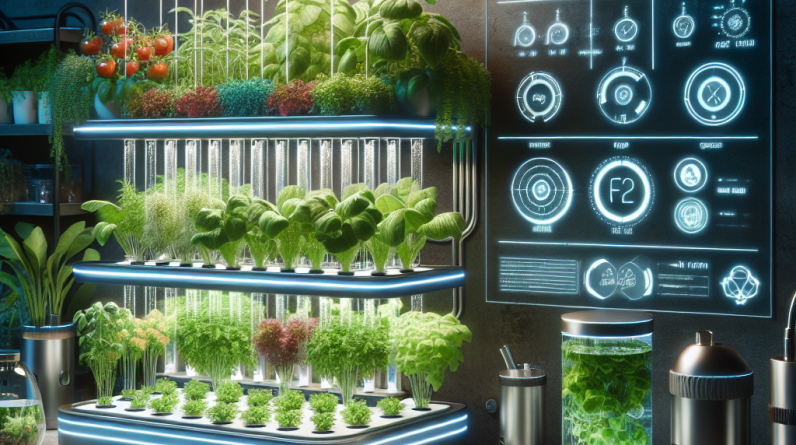
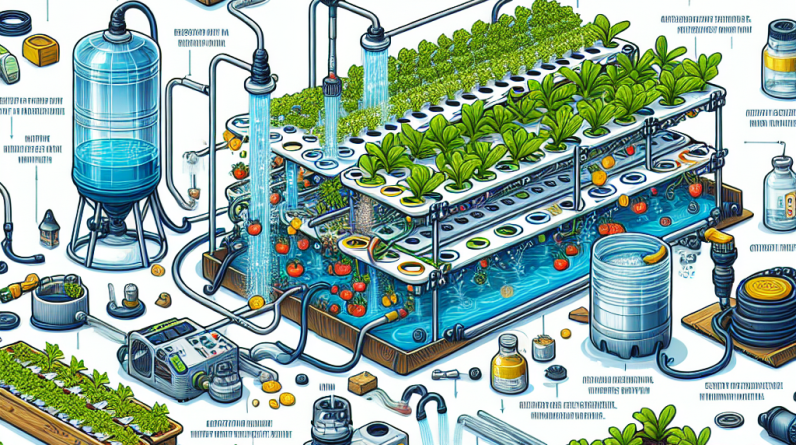
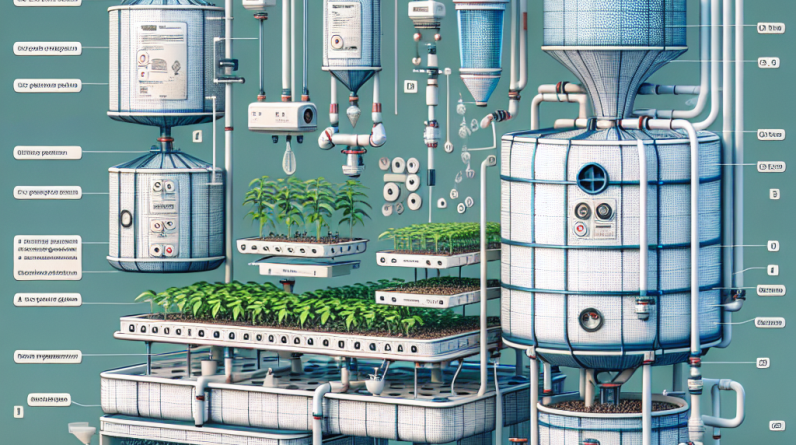
This matters more than it seems because weak decisions here usually create bigger downstream problems. An automated hydroponic system integrates technology to control various environmental factors critical for plant growth, such as light, temperature, and nutrient delivery. This means that even those with limited gardening experience can successfully grow a variety of crops. The central components typically include nutrient reservoirs, pumps, timers, and sensors that work together to maintain optimal growing conditions.
Nonetheless, it’s essential to grasp that not all automated hydroponic systems are created equal. Some may focus primarily on monitoring and adjusting nutrient levels, while others might provide comprehensive climate controls. This variance can lead to confusion when selecting a system. A common mistake is opting for a system that is overly complex or too basic for one’s needs, which can result in poor yields or excessive costs. Prioritize understanding the specific features that align with your gardening goals and skill level to avoid these pitfalls.
Common Challenges and Misconceptions
This matters more than it seems because weak decisions here usually create bigger downstream problems. <pWhile the promise of hassle-free gardening is appealing, many users of automated hydroponic systems encounter challenges that can undermine their efforts. One prevalent misconception is that these systems require little to no attention. In reality, automated does not mean set-and-forget; regular monitoring and adjustments are critical. Factors like pH levels, nutrient concentrations, and water temperature must be checked frequently to ensure plant health.
Moreover, new users often underestimate the learning curve associated with hydroponic gardening. Each plant species has distinct requirements, and a one-size-fits-all approach rarely succeeds. Without a tailored approach, users may find themselves facing issues like nutrient deficiencies or plant diseases. To mitigate these challenges, beginners should focus on a few easy-to-grow plant varieties, gaining experience before expanding their gardens. This incremental approach can lead to greater success and confidence in managing a hydroponic system.
Choosing the Right System for Your Needs
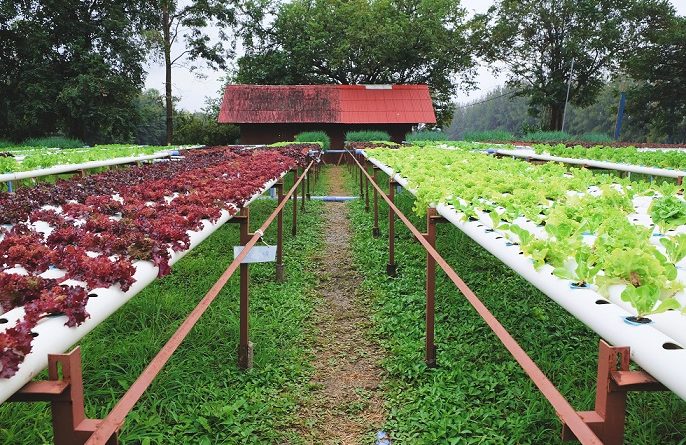
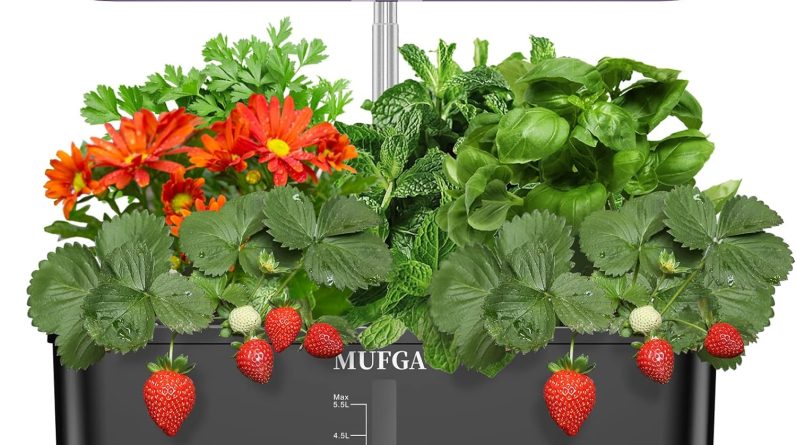
This matters more than it seems because weak decisions here usually create bigger downstream problems. <pSelecting an automated hydroponic system involves considering factors like budget, available space, and your specific gardening goals. Systems range from simple, affordable kits designed for small spaces to comprehensive setups that can accommodate larger crops. Each option comes with its own set of trade-offs; for instance, while larger systems might offer higher yields, they typically require more upfront investment and maintenance.
Budget constraints significantly influence decisions. Those with limited resources may opt for DIY systems that can be built with readily available materials. However, this route can require more time and expertise. On the other hand, purchasing pre-assembled systems can save time but may not be as customizable. Evaluating your long-term goals, such as whether you aim to grow for personal consumption or for sale, will help clarify which system aligns best with your needs.
Best Practices for Maintenance and Growth
This matters more than it seems because weak decisions here usually create bigger downstream problems. <pSuccessful operation of an automated hydroponic system hinges on consistent maintenance and adherence to best practices. Regularly scheduled checks on nutrient levels, pH balance, and water quality are essential. Additionally, keeping an eye on plant health and growth patterns allows for timely interventions when issues arise.
<pOne common pitfall is neglecting the importance of cleaning and sterilizing components, which can lead to the development of harmful bacteria and pests. Establishing a routine that includes cleaning the reservoir and filters can significantly enhance system longevity and plant health. Furthermore, utilizing digital tools or apps to track growth and environmental conditions can streamline management, making it easier to identify trends and make data-driven decisions.
Further Reading
Authoritative Sources
- Hydroponics.net
hydroponics.netA comprehensive resource for hydroponic gardening techniques, equipment, and troubleshooting tips
- Urban Farms
urbanfarms.comThis site offers insights on urban farming practices, including automated hydroponics and community initiatives
- Gardener's Supply Company
gardeners.comA trusted source for gardening supplies, with sections dedicated to hydroponics and urban gardening
- Purdue University Horticulture
hort.purdue.eduProvides research-based information on hydroponics and plant cultivation from a leading agricultural university
Frequently Asked Questions
What is an automated hydroponic system?
An automated hydroponic system uses technology to manage nutrient delivery, pH levels, and environmental conditions to facilitate soil-less plant growth.
How much does it cost to set up an automated hydroponic system?
Costs can range from a few hundred dollars for basic kits to several thousand for advanced systems, depending on size and features.
What plants are best for beginners using hydroponics?
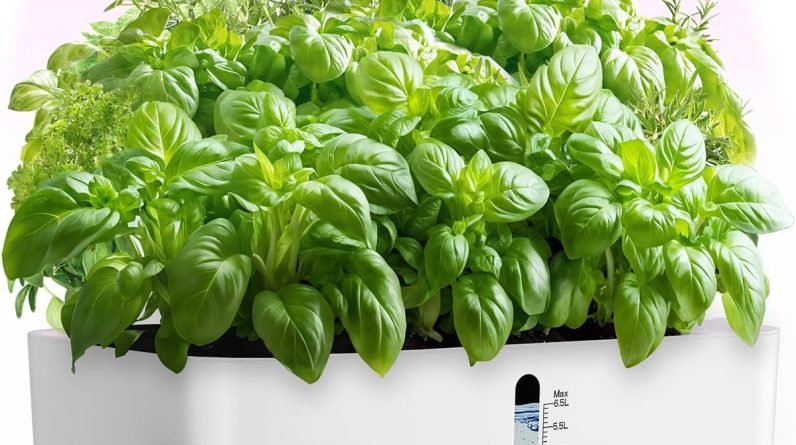
Leafy greens like lettuce and herbs such as basil are excellent choices for beginners due to their quick growth and relatively simple care requirements.
How often should I check my hydroponic system?
Regular checks at least once a week are essential to monitor nutrient levels, pH, and plant health, with more frequent checks during critical growth phases.
Can I use an automated hydroponic system indoors?
Yes, automated hydroponic systems are ideal for indoor gardening, as they can be tailored to provide optimal conditions regardless of external weather.
Conclusion
This matters more than it seems because weak decisions here usually create bigger downstream problems. Harnessing an automated hydroponic system can significantly enhance your urban farming efforts, but success requires careful planning and ongoing attention. Focus on understanding your system’s features, maintaining a routine for monitoring and care, and making informed choices based on your goals and resources. By prioritizing these elements, you can cultivate a thriving hydroponic garden that meets your needs and contributes to sustainable living.