
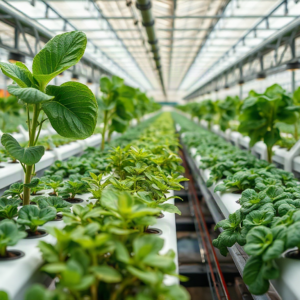
How To Manage Crop Diversity In Hydroponics With Crop Grouping, Staggered Planting, And Shared-Reservoir Planning
Manage crop diversity in hydroponics by grouping plants with similar nutrient strength, pH tolerance, temperature, light, and harvest timing, then separate incompatible crops into different reservoirs or irrigation zones. Leafy greens, culinary herbs, and fruiting plants often need different electrical conductivity targets and pruning schedules, so a single solution may force compromises.
Read More »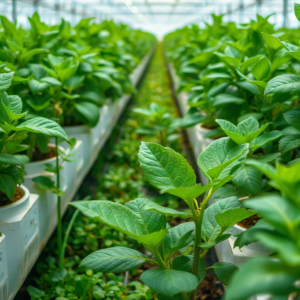
How To Create A Hydroponic Pest Control Strategy Without Disrupting Beneficial Insects
Create a hydroponic pest control strategy by combining routine scouting, accurate pest identification, quarantine, environmental correction, and the least disruptive treatment that fits the crop. Inspect leaf undersides, growing tips, stems, media, and nearby surfaces on a fixed schedule, then record pest location and severity before acting.
Read More »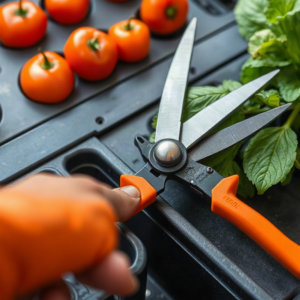
Hydroponic Harvest Tools For Clean Cuts: Blade Types, Timing, And Sanitation
Hydroponic harvest tools for clean cuts should combine a sharp bypass blade, a comfortable grip, and a sanitation routine matched to the crop and harvest pace. Fine-tip snips suit basil, lettuce, and dense herb growth, while bypass pruners handle thicker stems without crushing nearby tissue.
Read More »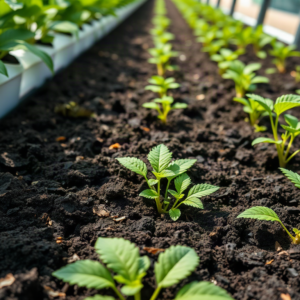
When to Replace Contaminated Hydroponic Media: Warning Signs, Timing, And Safe Removal
Replace contaminated hydroponic media when it carries persistent root-rot odor, slimy growth, visible mold, pest residue, or plant disease that remains after the affected crop is removed. Media that has been saturated with infected roots, stagnant nutrient solution, or decomposing organic matter can transfer problems to a new plant, especially…
Read More »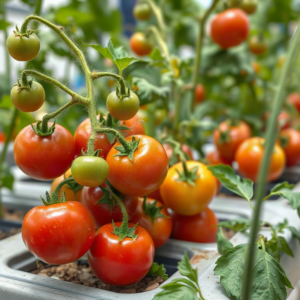
How To Troubleshoot Growth Issues In Hydroponic Tomatoes By Symptom And Cause
Troubleshoot growth issues in hydroponic tomatoes by recording the symptom, checking root-zone conditions, verifying pH and nutrient strength with calibrated meters, and then changing one variable at a time. Stunted plants often reflect restricted roots, unstable temperature, poor oxygenation, or an incorrect nutrient concentration rather than a single missing supplement.
Read More »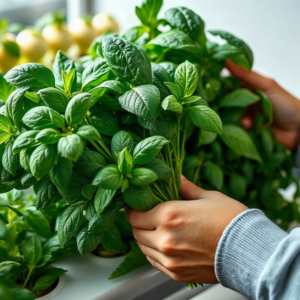
Harvesting Hydroponic Herbs Without Stopping Growth: Cut-and-Come-Again Methods That Work
Harvesting hydroponic herbs without stopping growth depends on taking small, well-timed cuts above active leaf nodes while leaving enough foliage for photosynthesis. Cut basil, mint, oregano, and similar herbs with clean scissors, remove no more than about one-third of the plant at once, and avoid stripping the lowest healthy leaves.
Read More »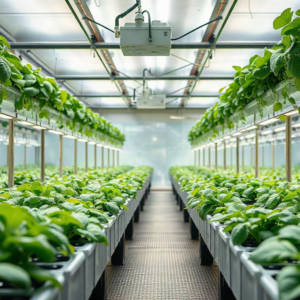
Growing Hydroponic Vegetables in Cold Rooms With Reliable Temperature Control
Growing hydroponic vegetables in cold rooms works when root-zone temperature, air temperature, lighting, and humidity are managed together rather than treating cold as a simple thermostat setting. Use crops suited to cool conditions, insulate reservoirs and pipes, prevent chilled nutrient solution from reaching roots, and provide enough light to offset slower winter growth.
Read More »
Repairing Rather Than Replacing Hydroponic Equipment: A Practical Cost-and-Risk Checklist
Repairing rather than replacing hydroponic equipment is usually the better choice when the fault is isolated, the frame and food-contact parts remain sound, and a replacement component can restore reliable operation. Begin by unplugging the unit, identifying whether the failure is electrical, mechanical, hydraulic, or structural, and testing the affected part separately.
Read More »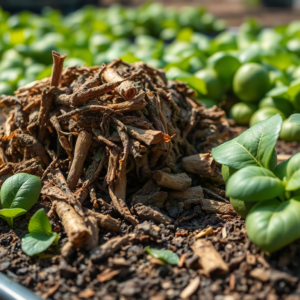
Composting Spent Hydroponic Plant Material: A Practical Breakdown Plan
Composting spent hydroponic plant material works when roots, stems, leaves, and growing media are separated from contaminants, chopped, balanced with dry carbon, and kept aerated until the pile matures. Remove plastic, clips, wires, diseased tissue, and any media that may contain synthetic fibers or chemical residues before adding plant matter.
Read More » Reusing Hydroponic Grow Media Safely: Cleaning Steps, Disinfection, and Reuse Limits
Reusing hydroponic grow media safely means sorting out damaged material, removing old roots and salts, disinfecting the media with a crop-appropriate method, and drying or storing it so pathogens and pests do not carry into the next planting.
Read More »