
Choosing Hydroponic Crops for Limited Vertical Space: What Fits and Produces Well
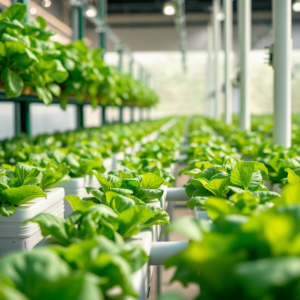
For limited vertical space, choose hydroponic crops with compact canopies, shallow root zones, short harvest cycles, and growth habits that tolerate close light placement. Leaf lettuce, arugula, baby kale, basil, chives, and dwarf Asian greens usually use shelf height more efficiently than tomatoes, cucumbers, or full-size leafy plants.
Read More »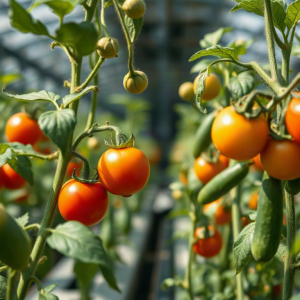
How Often Hydroponic Plants Need Pruning: Timing by Crop and Growth Stage
Hydroponic plants usually need pruning every few days to every two weeks, with the interval determined by crop type, growth stage, light exposure, and canopy density. Fast-growing tomatoes and cucumbers may need weekly attention, while peppers and herbs generally require lighter, less frequent cuts.
Read More »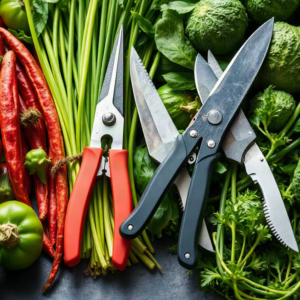
Hydroponic Vegetable Harvest Tools Compared by Crop and Cut Quality
For hydroponic vegetable harvests, fine-tip snips offer the best control for herbs and tender greens, bypass pruners handle thick stems cleanly, and serrated knives are most efficient for cutting whole lettuce heads or dense root mats.
Read More »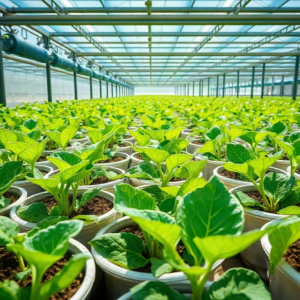
Evaluating the Impact of Pests on Hydroponic Crops: Damage Scores, Trends, and Action Thresholds
Evaluate the impact of pests on hydroponic crops by measuring pest abundance, plant injury, affected growing area, growth changes, and harvest losses against a healthy baseline. Inspect leaves, stems, roots, traps, and growing channels on a fixed schedule, recording both pest counts and damage severity by crop zone.
Read More »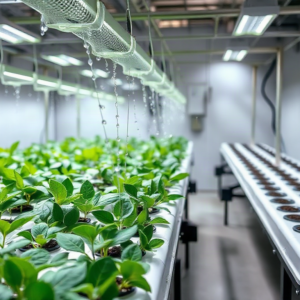
Preventing Excessive Moisture in Hydroponic Setups With Airflow, Irrigation Timing, and Drainage Checks
Prevent excessive moisture in hydroponic setups by balancing irrigation timing, root-zone aeration, drainage, and room airflow rather than trying to keep every surface dry. Confirm that nutrient solution drains freely, roots receive oxygen between irrigation cycles, and relative humidity does not remain elevated around dense foliage.
Read More »
How to Approach Hydroponic Vegetable Breeding: Parent Selection, Trials, and Trait Stability
Approach hydroponic vegetable breeding by defining a measurable target, selecting genetically distinct parents, making controlled crosses, and evaluating offspring under the same root-zone and climate conditions in which the final variety will grow. Record parentage, germination, yield, flavor, flowering time, disease symptoms, and tolerance to pH, electrical conductivity, heat, or low light.
Read More »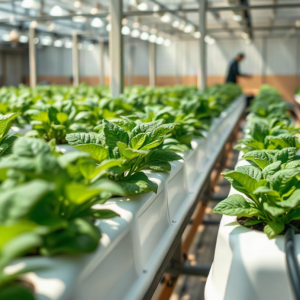
How to Prevent Nutrient Overload in Hydroponics: EC Limits, Warning Signs, and Recovery Steps
Prevent nutrient overload in hydroponics by mixing fertilizer below the crop’s target electrical conductivity, measuring EC and pH after every addition, and tracking reservoir changes between top-ups. Excess salts raise osmotic pressure around the roots, making water uptake difficult even when the reservoir is full; leaf-tip burn, stalled growth, rising…
Read More »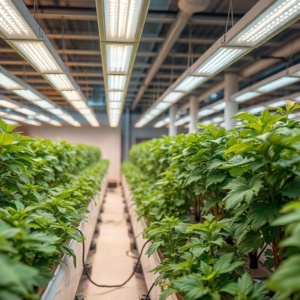
How to Ensure Optimal Light Distribution in Hydroponics: Placement, Measurements, and Mistakes
Ensure optimal light distribution in hydroponics by matching fixture coverage to the planted canopy, setting height from the manufacturer’s intensity map, and verifying several locations with a PAR meter rather than judging brightness by eye.
Read More »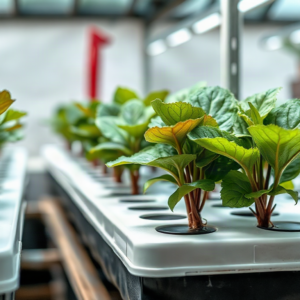
How to Prevent Leaf Curl in Hydroponic Plants With a Daily Diagnosis Checklist
Prevent leaf curl in hydroponic plants by checking the root zone before changing the nutrient formula: verify solution pH and EC, confirm strong aeration and drainage, and inspect roots for heat damage or decay. Then evaluate leaf temperature, airflow, humidity, and pest activity because curled foliage often reflects water stress rather than a simple deficiency.
Read More »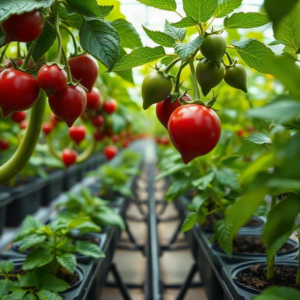
Issues With Hydroponic Fruit Set—Pollination, Climate, and Flower-Drop Causes
Issues with hydroponic fruit set usually trace to incomplete pollination, excessive heat or humidity, unstable root-zone conditions, or nutrition that favors leafy growth over reproductive development. Check whether flowers are releasing and receiving viable pollen before changing the nutrient formula, because tomatoes, peppers, cucumbers, and strawberries have different pollination needs.
Read More »