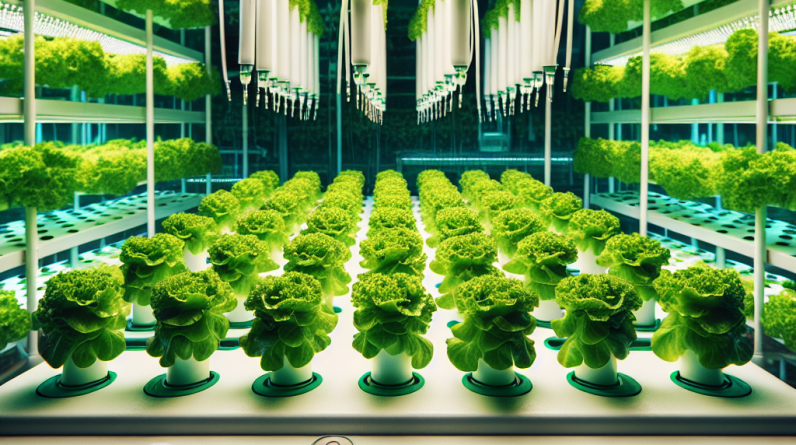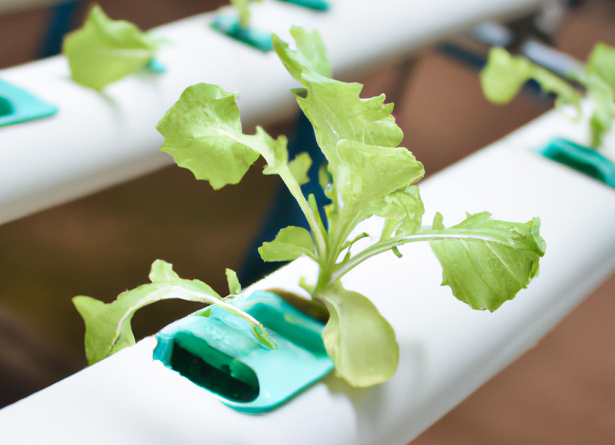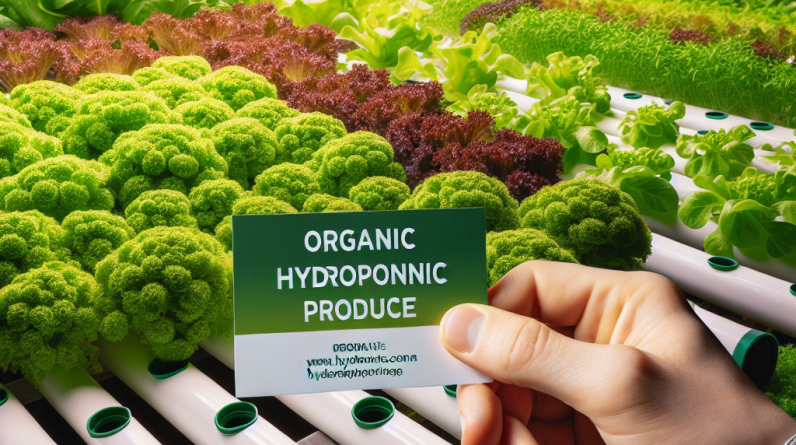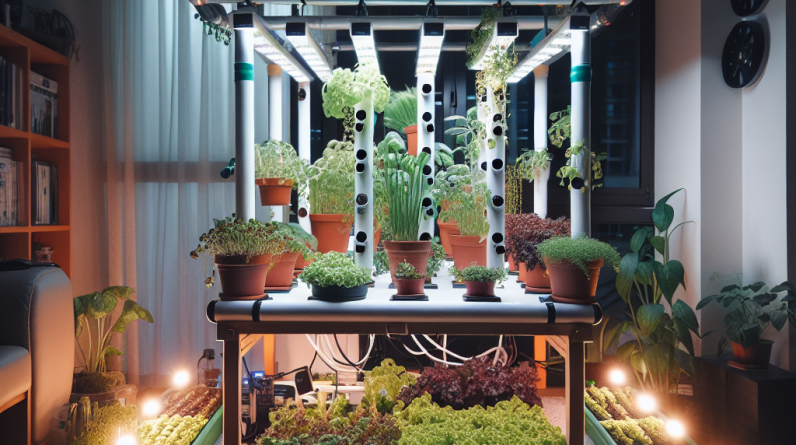
A compact hydroponic grow kit is an innovative system designed for growing plants without soil, using nutrient-rich water instead. These kits are ideal for small spaces, allowing users to cultivate a variety of plants indoors efficiently and sustainably.
When selecting a compact hydroponic grow kit, consider the type of plants you want to grow and the available space. Different kits cater to various plant types, from leafy greens to herbs and even flowering plants. Understanding the specific requirements of your chosen plants, including light, temperature, and nutrient needs, is crucial for successful growth.
Common mistakes include overcrowding the kit, neglecting pH and nutrient levels, and underestimating light requirements. Prioritizing these factors will help ensure your plants thrive. Additionally, be aware of the maintenance involved, such as regular water changes and monitoring for pests.
Choosing the Right Compact Hydroponic Grow Kit
Selecting the right compact hydroponic grow kit is essential for successful indoor gardening. Various kits are available, each designed for specific types of plants and growing conditions. Consider factors such as the grower’s experience level, available space, and the types of plants intended for cultivation.
For beginners, kits that come with complete instructions and all necessary components are ideal. More experienced gardeners might prefer customizable kits that allow for greater flexibility in plant selection and system design. Assess the size of the kit, as some are designed for countertop use while others may fit better in larger spaces.
Remember that the right kit should match your lifestyle and gardening goals. For instance, if you’re looking to grow herbs for culinary use, a smaller kit with adequate lighting might suffice. However, if you aim to produce larger plants or multiple varieties, a more robust system may be necessary.
Essential Components of a Hydroponic System
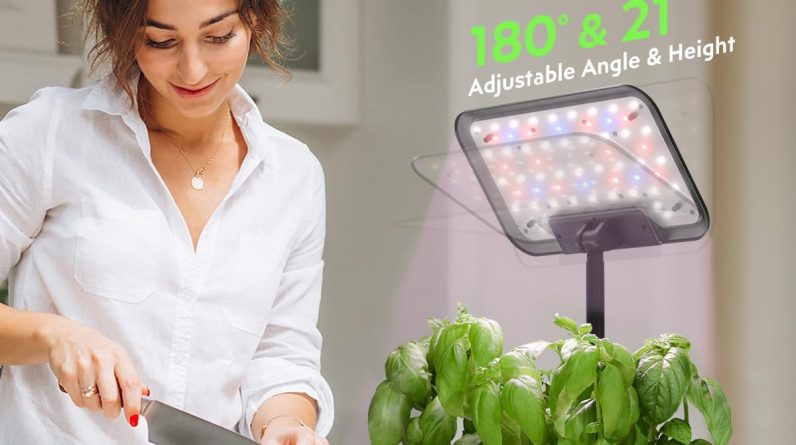
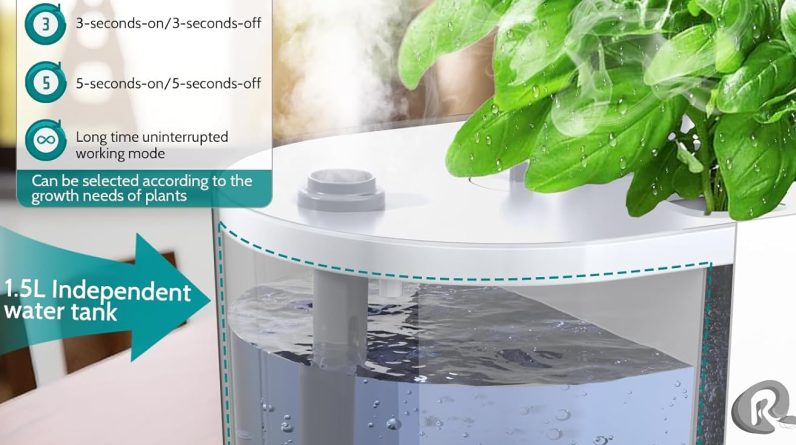
A compact hydroponic grow kit typically includes several essential components that work together to create an optimal growing environment. Key elements include a reservoir for nutrient solution, growing containers for plants, a pump for circulating water, and a lighting system.
The reservoir holds the nutrient-rich water that provides essential elements for plant growth. Growing containers should support the plants while allowing roots to access the nutrient solution. Pumps ensure the water circulates effectively, preventing stagnation and promoting aeration. Additionally, proper lighting is crucial, as most plants require specific light wavelengths for photosynthesis.
It’s important to understand the function of each component and how they interact with each other. Neglecting any part of the system can lead to poor plant health and yield. For instance, inadequate lighting can stunt growth, while poor water circulation can lead to root rot.
Common Mistakes to Avoid
While using a compact hydroponic grow kit can be straightforward, several common mistakes can hinder success. One frequent error is overwatering or underwatering plants, which can lead to nutrient deficiencies or root diseases.
Another common pitfall is failing to monitor pH and nutrient levels regularly. Plants have specific pH ranges in which they thrive, and nutrient imbalances can lead to poor growth or even plant death. Additionally, overcrowding plants in a small kit can lead to competition for resources, reducing overall yield.
To avoid these issues, establish a routine for checking water levels, pH, and nutrient concentrations. Use a pH meter and follow recommended nutrient guidelines for your specific plants. Regularly thinning out plants can also help ensure that each has adequate space to grow.
Plant Selection and Care Tips
Choosing the right plants is crucial for maximizing the potential of your compact hydroponic grow kit. Leafy greens, herbs, and small fruiting plants are often the best choices for beginners, as they tend to thrive in hydroponic systems.
Once you’ve selected your plants, provide them with the necessary care. This includes ensuring they receive adequate light—typically 12-16 hours per day—and maintaining appropriate temperatures, generally between 65°F and 75°F (18°C to 24°C). Nutrient solutions should be changed regularly, and water levels should be monitored to prevent drying out or over-saturation.
Pay attention to plant health and growth patterns, adjusting conditions as needed. Regular pruning may be required to encourage bushier growth and prevent overcrowding. Successful hydroponic gardening is about observation and adaptation to your plants’ needs.
Further Reading
For those looking to deepen their understanding of hydroponic gardening, consider exploring authoritative sources and publications that provide in-depth information on techniques, troubleshooting, and advanced practices.
Authoritative Sources
- Hydroponics: A Comprehensive Overview
hydroponics.comThis resource offers extensive guides on hydroponic systems, including setup, maintenance, and troubleshooting
- Gardening Know How
gardeningknowhow.comA useful site for practical gardening tips, including hydroponic gardening advice
- Planet Natural
planetnatural.comOffers insights into organic gardening and hydroponics, focusing on sustainable practices
- Urban Farms
urbanfarms.comProvides resources for urban gardening, including compact hydroponic solutions
- Hydroponics.net
hydroponics.netA comprehensive platform for hydroponic products, techniques, and community support
Frequently Asked Questions
What plants are best for a compact hydroponic grow kit?
Leafy greens, herbs, and small fruiting plants like cherry tomatoes are ideal for compact hydroponic grow kits due to their manageable size and growth requirements.
How often should I change the nutrient solution?
Change the nutrient solution every 1-2 weeks to ensure that plants receive fresh nutrients and to prevent imbalances.
Can I grow flowers in a compact hydroponic kit?
Yes, many compact hydroponic kits can support flowering plants, but ensure that the kit provides adequate space and light for their growth.
What is the ideal pH level for hydroponic systems?
The ideal pH level for most hydroponic plants is between 5.5 and 6.5, which allows for optimal nutrient uptake.
How do I prevent pests in my hydroponic garden?
Regularly inspect plants for signs of pests and maintain cleanliness around the hydroponic system. Consider introducing beneficial insects or using organic pest control methods.
Conclusion
A compact hydroponic grow kit can be an excellent investment for anyone looking to grow plants indoors efficiently. By choosing the right kit and understanding the essential components, you can create a thriving garden in limited space. Prioritize plant selection and monitor conditions closely to avoid common pitfalls. With proper care and attention, you can enjoy fresh produce year-round, all from the comfort of your home.