The Basics of Hydroponics
What is Hydroponics?
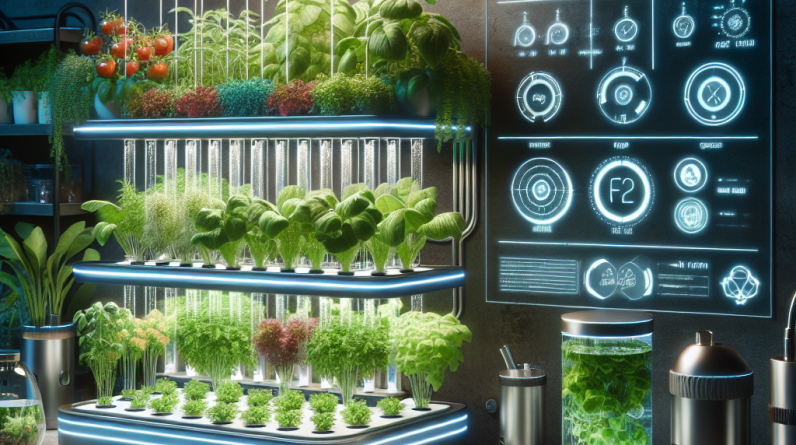
This matters more than it seems because weak decisions here usually create bigger downstream problems. So, picture this: plants growing without soil! That’s the core idea behind hydroponics. In my own experience, hydroponics is a method where plants thrive in a nutrient-rich solution. By skipping the soil, we can actually provide the plants with exactly what they need, when they need it. It’s like giving them a fast track to healthy growth.
This method harnesses the benefits of controlled environments. I’ve found that you can adjust factors like pH levels and nutrient concentrations much easier than traditional gardening. It’s a perfect solution for those who want absolute control over their plants’ growth conditions.
What’s even cooler is how efficient hydroponics can be! When running a hydroponic garden, plants can grow faster than those planted in soil. It’s fascinating to see how much more vibrant and healthy they can be with the right care.
Choosing the Right Hydroponic System
Different Systems Explained
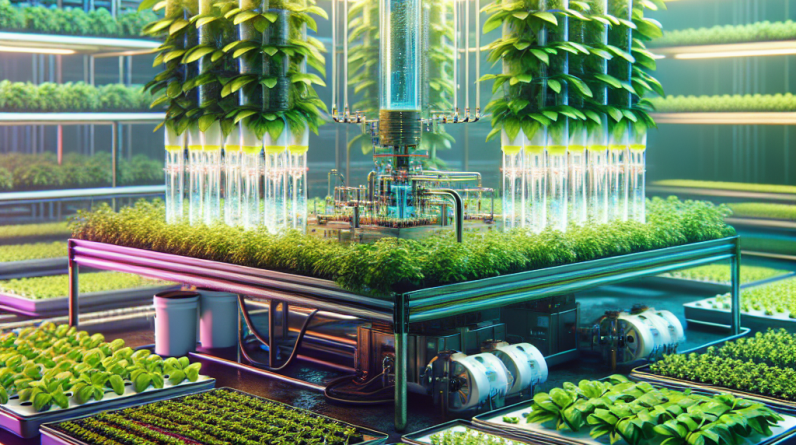
This matters more than it seems because weak decisions here usually create bigger downstream problems. Alright, diving into hydroponic systems – this is key! There are several systems out there, and choosing the right one really makes a difference in how your plants perform. From deep water culture to nutrient film technique and aeroponics, every method has its pros and cons.
In my own hydroponics journey, I’ve tried a few different systems. The deep water culture (DWC) is a favorite because the plants literally sit in a nutrient solution, making it a straightforward option for beginners like me. I found it nearly impossible to overwater, which eased my worries.
Aeroponics, which uses misting to deliver nutrients, was also a treat to experience. I loved how compact it is, but it requires more attention to keep everything running smoothly, and I learned that the maintenance is a bit more hands-on compared to DWC.
Nutrient Solutions and pH Levels
Understanding Nutrient Needs
This matters more than it seems because weak decisions here usually create bigger downstream problems. Next up, let’s talk nutrients! This is where things get super interesting. In hydroponics, your plants get all necessary nutrients directly from the water. It’s essential to find a balanced nutrient solution tailored for the type of plants you’re growing. Believe me, choosing the right mix is crucial!
What I’ve learned is that using a pre-mixed nutrient solution can simplify things, especially for newbies. But experimenting with homemade mixes can be a fun, albeit tricky, challenge if you feel adventurous. Just be prepared for a learning curve!
Another key element is pH levels. Plants absorb nutrients differently at varying pH levels. Most plants thrive in a range from 5.5 to 6.5, and I’ve become quite familiar with testing and adjusting pH to keep my plants happy and healthy.
Lighting and Environmental Control
The Importance of Light
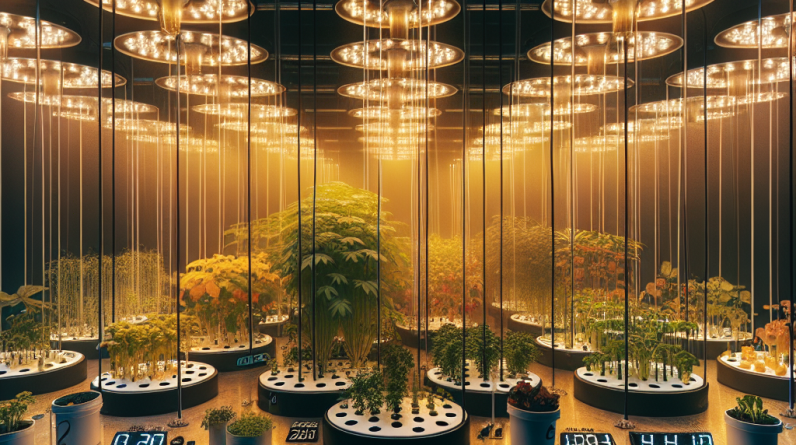
This matters more than it seems because weak decisions here usually create bigger downstream problems. One of the most thrilling aspects of hydroponics for me has been playing with lighting. Plants need light to grow, just like we need sunlight! Hydroponics often takes place indoors or in controlled environments, so I quickly learned how vital it is to have the right lighting setup.
I started with some basic LED grow lights. They’re energy-efficient, and I’ve seen remarkable results! Knowing the light spectrum is also important; plants generally love the blue light during the vegetative stage and the red light when flowering. Understanding this made a huge difference in my own setup.
Environmental control does not stop with just light; temperature, humidity, and air circulation play major roles too. I installed a simple ventilation system to ensure my plants had the right airflow while keeping an eye on the temperature and humidity levels. Trust me, the extra effort pays off big time!
Monitoring and Maintenance
Regular Check-Ups
This matters more than it seems because weak decisions here usually create bigger downstream problems. Lastly, let’s chat about monitoring and maintenance. It’s super easy to get absorbed in the excitement of seeing your plants grow and forget the basics of care. Regular check-ups on your nutrients, pH, and even plant health are necessary to ensure everything runs smoothly.
I’ve made it a habit to check my water levels weekly. Whether it’s adding more nutrient solution or adjusting pH levels, keeping on top of this helped me avoid headaches later on. Trust me, noticing a problem early has saved me from many failed harvests!
Also, don’t ignore pest management! Even though my hydroponic setup is mostly invulnerable to common soil pests, keeping the area clean and monitoring for any signs of trouble has kept my plants thriving. It’s all about playing defense!
Frequently Asked Questions
1. What are the benefits of hydroponics?
This matters more than it seems because weak decisions here usually create bigger downstream problems. Hydroponics offers many benefits, including faster plant growth, efficient use of water, and greater control over environmental factors. This can lead to healthier plants and potentially larger yields.
2. How do I start a hydroponic garden?
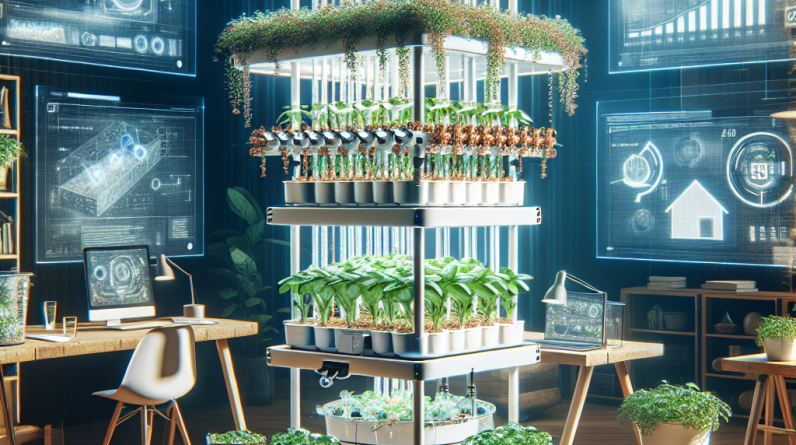
This matters more than it seems because weak decisions here usually create bigger downstream problems. Starting a hydroponic garden involves selecting the right system, sourcing nutrients, and ensuring you have proper lighting and environmental controls. Begin with simple plants like herbs to gain experience!
3. Do I need special equipment for hydroponics?
This matters more than it seems because weak decisions here usually create bigger downstream problems. While you don’t necessarily need high-end equipment to get started, basic tools like grow lights, pH meters, and nutrient solutions are crucial for success.
4. Can I use tap water in my hydroponic system?
This matters more than it seems because weak decisions here usually create bigger downstream problems. It depends on your tap water quality. If it’s not heavily chlorinated, you can use it, but always check the pH and mineral content to ensure your plants will thrive.
5. How often should I change the nutrient solution?
This matters more than it seems because weak decisions here usually create bigger downstream problems. It’s recommended to change your nutrient solution every two weeks, but you should monitor your plants and make adjustments based on their needs and growth stages.