Evaluating hydroponics for household food supply means comparing dependable harvests with electricity use, equipment costs, crop limits, and daily maintenance. A well-managed system can provide frequent lettuce, herbs, and some compact vegetables, especially where outdoor soil or space is limited, but it rarely replaces a household’s full food supply. The strongest evaluation tracks edible yield, labor, water and power consumption, failure risks, and the price of produce that would otherwise be purchased. Begin with a small system for crops you regularly eat, record harvest weight and operating costs for several cycles, and expand only when the results justify the added complexity.
What Hydroponics Can Realistically Supply
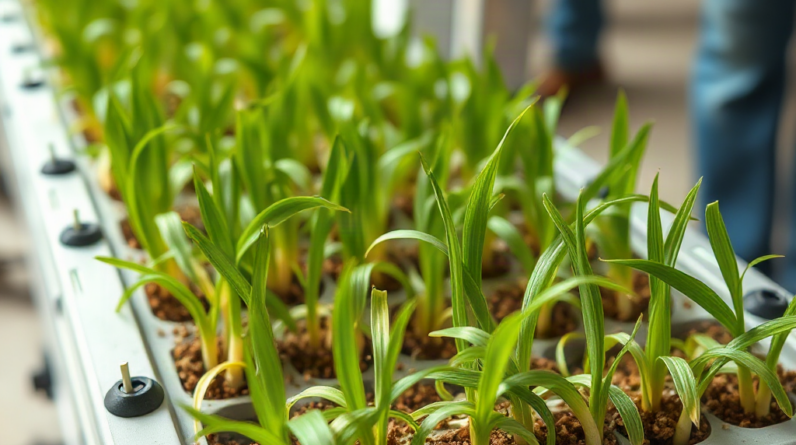
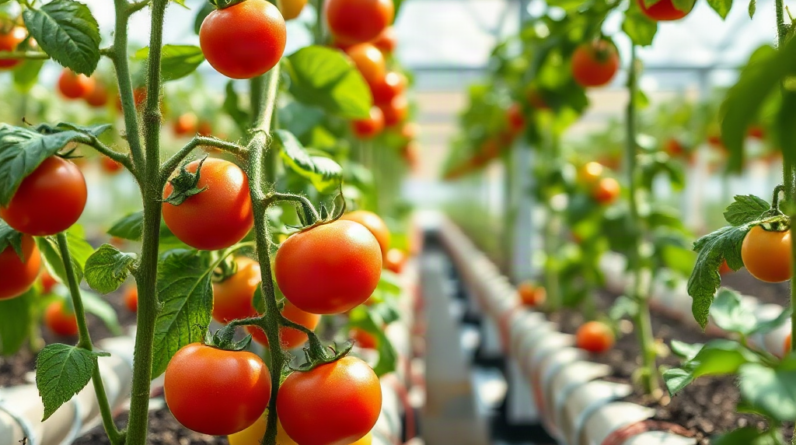
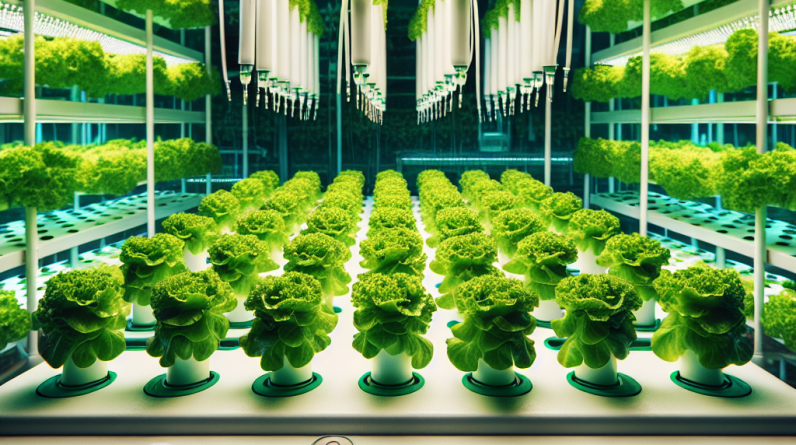
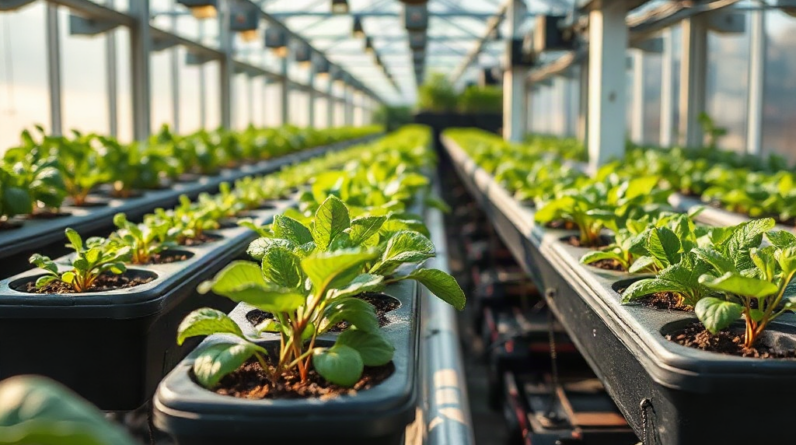
Hydroponics is most useful for producing fresh, quick-growing crops in a controlled space rather than supplying every calorie or ingredient a household needs. Leaf lettuce, salad greens, basil, mint, chives, and other herbs generally fit household systems well because they mature relatively quickly and can be harvested repeatedly. Tomatoes, peppers, cucumbers, and strawberries may also grow successfully, but they require more light, support, pollination attention, and time before harvest.
The distinction between supplementing a food supply and replacing it prevents unrealistic planning. A shelf-sized unit may provide a steady supply of salad leaves while contributing little energy, protein, or dietary fat. Root crops, dry beans, corn, large squash, and staple grains are usually poor matches for compact indoor systems because their space, lighting, or growing duration makes production inefficient. A household seeking resilience may therefore combine hydroponic greens with pantry staples, outdoor crops, or purchased foods rather than treating one installation as a complete food source.
Available light sets the ceiling for production. Indoor plants need adequate intensity and a suitable daily light period; a bright-looking room is not automatically bright enough for productive growth. Artificial lighting can make production more predictable, but it adds electrical demand and heat. A sunny window may work for herbs or modest greens, yet uneven light can produce stretched plants and inconsistent harvests. The practical question is not whether plants can survive, but whether the space can produce enough usable growth to justify its operating requirements.
Household eating habits matter just as much as biological performance. Growing a large volume of a crop nobody eats creates waste, even if the plants look healthy. A family that uses herbs daily may gain more value from a small herb section than from a larger tomato setup. Readers comparing options can also use Evaluating hydroponics for household food supply alongside a simple record of weekly produce purchases to identify crops with genuine household value.
Measuring Yield, Cost, And Labor
A useful evaluation converts the system into measurable outputs: edible harvest, purchase replacement, operating expense, and time spent. Counting plants alone is misleading because a crowded tray may look productive while producing small leaves, weak plants, or uneven maturity. Weigh harvested produce after removing damaged material, and record the date, crop, and number of plants. Several crop cycles provide a more useful picture than a single successful harvest.
Cost has both a starting component and a recurring component. The initial purchase may include a frame, reservoir, pump, lighting, timer, growing media, containers, and monitoring tools. Recurring expenses can include electricity, nutrients, replacement pumps, filters, seeds, water treatment, and pest-control supplies. A low-cost setup may have a higher failure rate or require more manual adjustment, while a sophisticated system may reduce some tasks but increase financial exposure if a component fails.
Labor deserves its own record. Checking water level, mixing nutrients, cleaning surfaces, inspecting roots, pruning, supporting fruiting plants, and harvesting all take time. A system that produces inexpensive greens but demands daily corrective work may not suit a busy household. Conversely, a grower who values fresh produce and enjoys routine maintenance may judge the same system favorably. The comparison should be against the actual alternative: buying greens, growing in soil, using a community garden, or going without a particular crop.
A practical household ledger can include:
- Edible harvest weight by crop and cycle.
- Seeds, nutrients, media, replacement parts, and electricity.
- Minutes spent on routine care and problem-solving.
- Produce that was eaten, stored, shared, or discarded.
- Days of lost production after a pump, light, or crop failure.
Do not assume water savings automatically make the system economical. Recirculating water may reduce consumption compared with some outdoor practices, but lighting and equipment can dominate indoor operating costs. A window-grown herb may be economical where conditions are suitable; a heavily lit fruiting crop may be harder to justify financially. The clearest signal is consistent edible harvest that replaces purchases the household would otherwise make.
Choosing Crops And System Types
Crop selection should follow the household’s goal, available light, and tolerance for maintenance. Nutrient-film channels and similar arrangements can suit compact leafy greens because they use space efficiently and allow frequent harvests. Deep-water systems may be approachable for beginners, but aeration and water temperature still need attention. Drip systems can support larger plants, although emitters, containers, and drainage introduce more parts that require inspection.
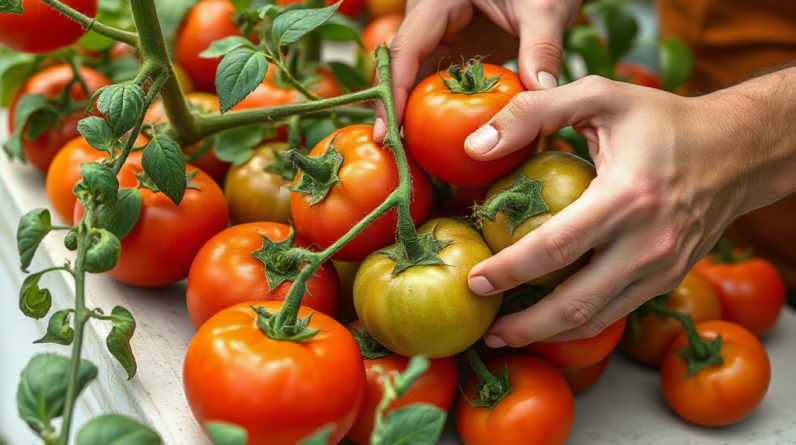
Leafy greens usually offer the shortest path to useful production. They can be harvested as baby leaves or allowed to reach a larger size, giving the grower flexibility when household demand changes. Herbs may provide even better value when store-bought bunches spoil before use. Fruiting crops present a different calculation: they occupy the system longer, need stronger light and physical support, and may require hand pollination indoors. A tomato plant can be rewarding without being the most efficient choice for a small food-producing installation.
Compare a simple greens system with a fruiting system before buying equipment. The greens setup may have lower structural demands and faster feedback, making mistakes easier to correct. The fruiting setup may produce a more substantial individual harvest, but a failed plant can consume weeks of space before the problem becomes obvious. Outdoor soil or container gardening may be preferable for crops that need extensive root volume or long supports, while hydroponics has a stronger case for clean, accessible greens in apartments or controlled indoor spaces.
Common crop-selection mistakes include planting too many varieties at once, choosing crops based on appearance rather than meals, and treating every plant as if it shares the same nutrient and light requirements. A better first cycle uses one or two reliable leafy crops plus a small herb trial. Once germination, transplanting, water management, and harvesting are routine, add a fruiting crop separately so its demands do not obscure the performance of the basic system.
For related planning, Evaluating hydroponics for household food supply should be paired with a crop calendar. The calendar should show expected harvest windows, reseeding dates, space occupied by mature plants, and any period when the household will be away. Production that depends on perfect timing can be less useful than a slightly smaller system that remains manageable during ordinary disruptions.
Reliability, Food Safety, And Household Fit
Reliability depends on maintaining water movement, oxygenation, lighting, nutrient concentration, and a suitable root environment. A pump interruption can leave roots without adequate oxygen or circulation, while an empty reservoir can expose roots and concentrate dissolved nutrients. Excess heat can lower dissolved oxygen and stress plants. These are not abstract technical risks: a system may look normal from above while roots deteriorate beneath the growing media.
Build a response plan around the most likely failures. Check water level and pump operation routinely, keep essential replacement parts available, and decide how plants will be protected during a power outage. A small system may be easier to monitor manually than a larger installation filled with sensors and automation. Automation can reduce repetitive work, but it does not remove the need to verify that a sensor is reading correctly or that a pump is actually moving water.
Clean handling is part of household food production. Use potable water, keep reservoirs and tools clean, remove dead plant material, and avoid harvesting visibly contaminated produce. Follow the instructions for any nutrient or pest-management product, and keep concentrates away from children and pets. Hydroponic growing does not make produce automatically free from contamination; seeds, hands, tools, water, insects, and poorly maintained surfaces can all introduce problems.
Household fit includes noise, humidity, heat, appearance, and access. An air pump beside a sleeping area may become an annoyance, while a lighted unit can warm a small room. A reservoir that is difficult to drain will eventually discourage cleaning. Before expanding, observe whether the first installation remains orderly after several weeks. Signs of a workable setup include predictable checks, healthy new growth, manageable algae, and harvests that are eaten promptly. Warning signs include skipped maintenance, recurring leaks, unexplained crop losses, or produce accumulating faster than the household can use it.
A useful related resource on Evaluating hydroponics for household food supply is a written failure log. Record what failed, when it was noticed, what was changed, and whether the next crop improved. This turns frustration into evidence and helps distinguish a design problem from an isolated seed or handling issue.
A Practical Evaluation Plan
Evaluate the system in stages instead of committing to a large installation immediately. First define the purpose: fresh herbs, regular salad greens, reduced dependence on store trips, year-round experimentation, or supplemental household resilience. Each goal produces a different standard. A person seeking convenience may prioritize low maintenance; a person seeking maximum harvest may accept more monitoring and higher light demand.
Run a controlled trial with a modest number of plants and a crop the household already eats. Keep the light schedule, nutrient routine, and harvest method reasonably consistent. Weigh usable produce, note discarded material, and record maintenance time. If the crop fails, identify whether the cause was germination, light, temperature, water movement, nutrient management, pests, or harvesting practice before changing several variables at once.
After the trial, compare the result with a realistic purchase or soil-growing alternative. A system may be worthwhile even when it does not produce the lowest price per pound, particularly if it provides fresh herbs during winter, accessible gardening for a person with limited outdoor space, or produce harvested immediately before meals. It may not be worthwhile if the household rarely eats the chosen crops, electricity is expensive, or maintenance is consistently postponed.
Use these priorities when deciding whether to expand:
- Confirm that the household consumes the harvest.
- Verify reliable water movement and lighting before adding plants.
- Measure recurring costs rather than relying on the purchase price.
- Allow capacity for cleaning, failures, travel, and replacement parts.
- Expand one crop group at a time and compare results with the first trial.
The strongest decision is often a partial one. A compact greens unit can complement outdoor containers, a pantry, or local produce rather than competing with every other food source. Treat the installation as a production tool with limits, not as a guarantee of household independence. That framing produces better crop choices, more honest budgeting, and fewer abandoned systems.
Frequently Asked Questions
Can hydroponics provide all of a household’s food?
Usually not. Compact systems are better suited to greens and herbs than staple crops, calorie-dense foods, or large root and fruiting plants.
Which crops are easiest to evaluate first?
Lettuce, salad greens, basil, chives, and similar herbs provide relatively quick feedback and are practical choices when the household already eats them.
Is hydroponic food cheaper than store-bought produce?
Not automatically. Seeds, nutrients, electricity, equipment, replacement parts, and labor may exceed grocery costs, especially for heavily lit fruiting crops.
How should hydroponic productivity be measured?
Track edible harvest weight, discarded produce, operating expenses, maintenance time, and interruptions across several crop cycles rather than counting plants alone.
What is the most common planning mistake?
Choosing crops based on novelty or visual appeal instead of household demand often creates waste and makes the system appear less useful than it could be.
Further Reading
Authoritative Sources
- Academy of Nutrition and Dietetics
eatright.orgProfessional nutrition guidance, healthy eating resources, and practical dietitian-reviewed advice.
- U.S. Department of Agriculture
usda.govOfficial food, nutrition, agriculture, and consumer guidance from the USDA.
- NIH Office of Dietary Supplements
ods.od.nih.govResearch-based fact sheets on nutrients, supplements, dietary intake, and safety considerations.
- International Society of Sports Nutrition
sportsnutritionsociety.orgEvidence-informed sports nutrition resources and position stands for active people and athletes.
Conclusion
Hydroponics can make a meaningful contribution to household food supply when the goal is clearly defined and matched to suitable crops. Greens and herbs usually offer the most practical starting point because they mature faster and require less structural support than fruiting plants. A sound evaluation measures edible harvest, recurring expense, maintenance time, lighting demand, and the consequences of equipment failure. It also considers whether the household will actually eat the produce.
Begin with a small, reliable trial, keep records through multiple harvests, and compare the results with buying produce or growing in soil. Expand only after water management, lighting, cleaning, and routine checks fit comfortably into household life. Used as a supplement rather than a complete replacement for other food sources, hydroponics can be a productive and realistic part of a broader home-growing plan.