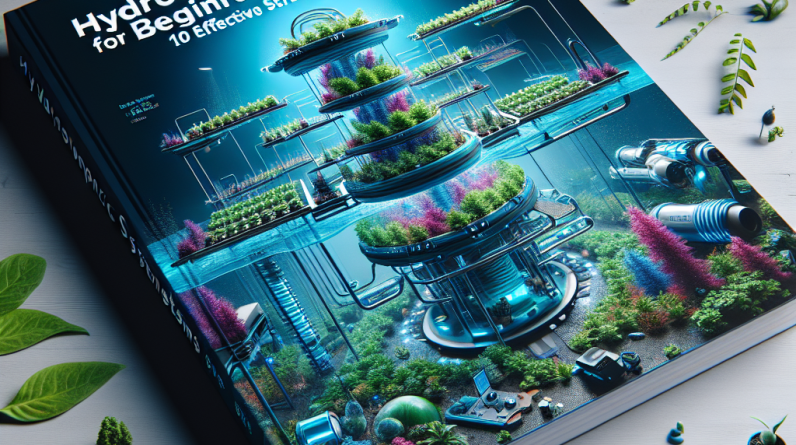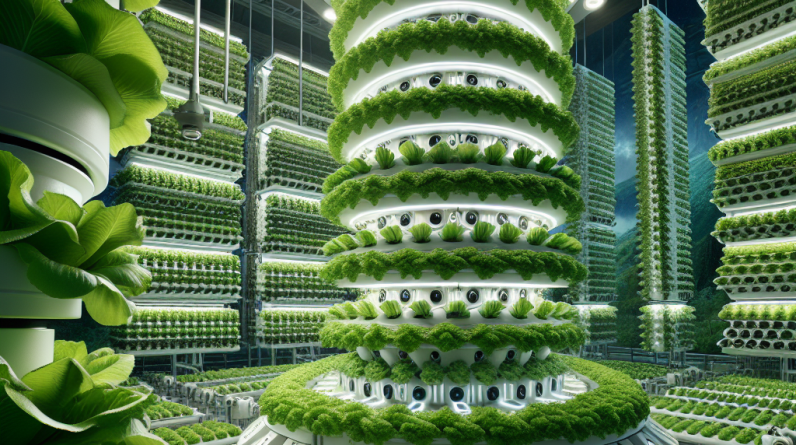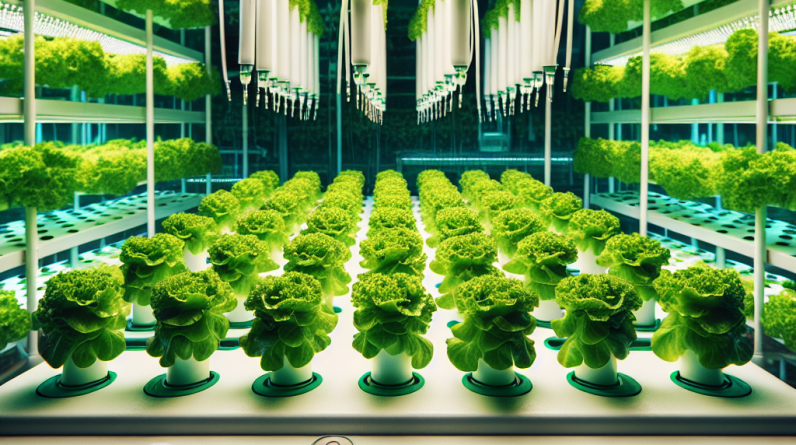
Growing hydroponically indoors involves cultivating plants in a nutrient-rich water solution instead of soil, allowing for a more controlled environment that can lead to faster growth and higher yields.
One of the primary advantages of hydroponics is its efficiency. Without soil, plants can absorb nutrients directly through their roots, leading to quicker growth and less water wastage. However, this method requires careful monitoring of environmental conditions such as pH, nutrient levels, and light exposure. Many beginners overlook the importance of these factors, leading to poor plant health and disappointing yields.
Common mistakes when starting hydroponic systems include inadequate lighting and nutrient management. For instance, using insufficient light can stunt plant growth, while over-fertilizing can damage roots. It’s crucial to research the specific needs of the plants you intend to grow and adjust your system accordingly. Starting with easy-to-grow varieties can also help you gain confidence and experience.
Choosing the Right Hydroponic System
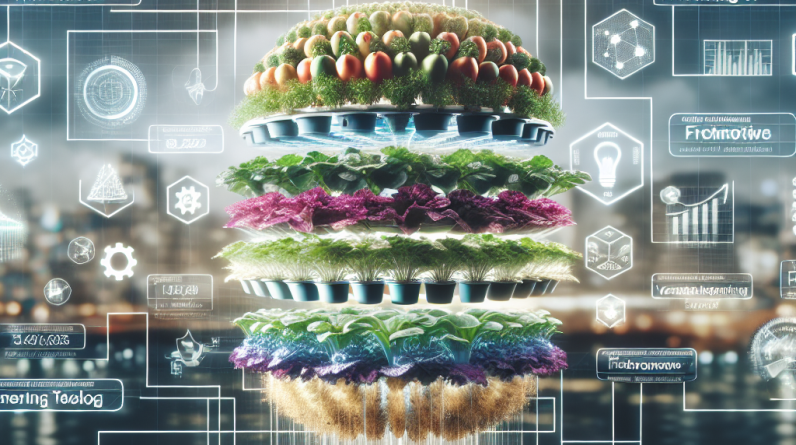
There are several hydroponic systems available, including Deep Water Culture, Nutrient Film Technique, and Aeroponics. Each system has its unique advantages depending on your space and plant choices. For instance, Deep Water Culture is excellent for leafy greens and herbs as it allows roots to stay submerged in nutrient-rich water.
When selecting a system, consider factors such as available space, budget, and the types of plants you wish to grow. For beginners, a simple setup like Kratky or a small Deep Water Culture system is often recommended due to its low maintenance and ease of use. Advanced growers might explore more complex systems like Aeroponics, which can yield higher results but require more precise control.
Additionally, ensure that the system you choose fits well within your available space and can accommodate your lighting and environmental controls. Some systems might require more equipment, while others can be more streamlined, making them easier to manage.
Light Management for Indoor Hydroponics
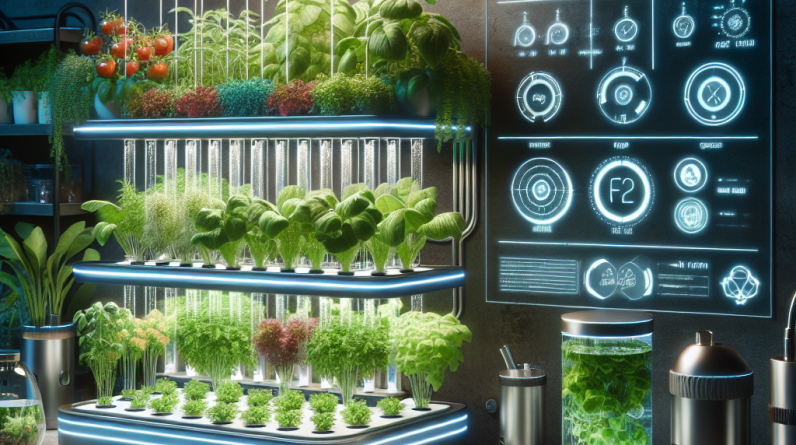
Light is a critical factor in indoor hydroponic gardening. Plants need adequate light for photosynthesis, and without it, growth can be stunted. LED grow lights are popular choices due to their energy efficiency and adjustable light spectrum.
When setting up your lighting, consider the specific light requirements of the plants you are growing. Leafy greens typically require less light than fruiting plants like tomatoes or peppers. Position your lights at the appropriate height above the plants and adjust as they grow to ensure they receive consistent light exposure.
Moreover, it’s essential to establish a light schedule that mimics natural conditions. Most plants thrive on 12-16 hours of light per day, followed by a dark period to promote healthy growth. Monitoring light intensity and duration can significantly impact plant health and yield.
Nutrient Solutions and pH Levels
Maintaining the right nutrient solution and pH levels is vital for successful hydroponic growth. Plants require a mix of macronutrients and micronutrients, which should be provided in a balanced solution. Pre-made nutrient solutions are widely available, but understanding the specific needs of your plants can help you adjust concentrations as necessary.
The ideal pH for most hydroponic plants ranges from 5.5 to 6.5. Regularly testing and adjusting the pH of your nutrient solution is crucial, as improper levels can hinder nutrient absorption and lead to deficiencies or toxicities.
Utilizing pH meters and testing kits can help you maintain optimal conditions. Additionally, consider the frequency of nutrient changes based on plant growth stages; seedlings may require different nutrient concentrations than mature plants.
Common Mistakes to Avoid
Starting with hydroponics can be exciting, but it’s easy to make mistakes that can jeopardize your plants’ success. One common error is neglecting to monitor water levels and nutrient concentrations, which can lead to root rot or nutrient deficiencies.
Another mistake is overcomplicating the setup. Beginners often try to implement advanced systems without fully understanding the basics. Instead, focus on mastering simpler methods before moving on to more complex setups. This will build your confidence and knowledge base.
Lastly, ensure you have a backup plan for power outages or equipment failures. Having a backup air pump or generator can help maintain oxygen levels in your nutrient solution, preventing plant stress.
Further Reading
Authoritative Sources
- Ready.gov
ready.govOfficial U.S. preparedness guidance, checklists, and planning resources for households and emergencies.
- FEMA
fema.govFederal emergency management resources, disaster planning information, and recovery guidance.
- American Red Cross Emergency Preparedness
redcross.orgPractical emergency preparation steps, supply lists, and safety guidance for families.
- National Weather Service
weather.govOfficial forecasts, hazard alerts, and weather safety information.
- CDC Emergency Preparedness and Response
cdc.govPublic health guidance for emergencies, disasters, and recovery situations.
Frequently Asked Questions
What plants grow best in hydroponics?
Leafy greens such as lettuce and spinach are ideal for hydroponics, along with herbs like basil and mint.
How much light do hydroponic plants need?
Most hydroponic plants require 12-16 hours of light daily, depending on the species.
Can I use tap water for hydroponics?
What is the best nutrient solution for hydroponics?
While tap water can be used, it’s essential to test for chlorine and other chemicals that may affect plant growth. Filtered water is often recommended.
What are the costs associated with starting a hydroponic system?
Initial costs can vary widely based on the system chosen, ranging from $100 for basic setups to several thousand for advanced systems.
How often should I change the nutrient solution?
It’s advisable to change the nutrient solution every 1-2 weeks, depending on plant growth and nutrient absorption rates.
Conclusion
Growing hydroponically indoors offers a sustainable and efficient way to cultivate plants in limited spaces. By understanding the essential techniques, including system selection, light management, and nutrient balance, you can significantly enhance your gardening success. Focus on common pitfalls such as underestimating light requirements and neglecting nutrient management to improve your outcomes. With careful planning and regular monitoring, you can enjoy fresh produce year-round, making indoor hydroponics a rewarding endeavor.