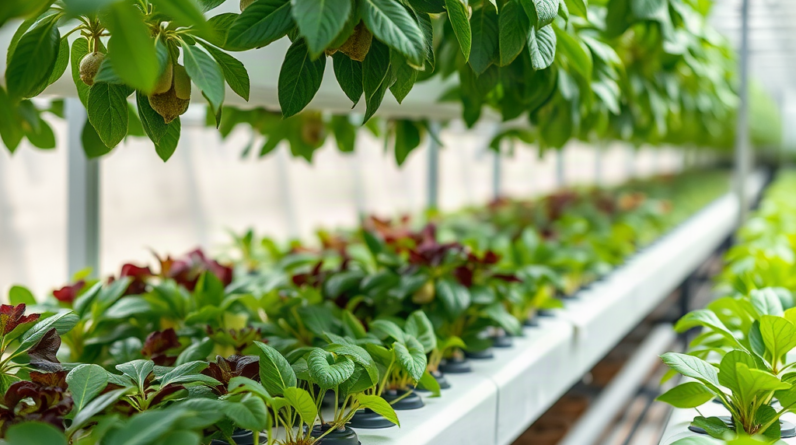
Harvest hydroponic cucumbers at the size specified for their variety, before the fruit becomes dull, swollen, or heavily seeded. Pickling types are commonly collected while short and firm, slicers at a longer marketable length, and compact cultivars according to the breeder’s stated target rather than one universal measurement. Look for an even shape, uniform green color, firm texture, and a blossom end that has filled out without becoming bulbous. Inspect productive vines daily, cut each stem with clean shears, and record the size that delivers the best texture because warm conditions can move a cucumber from ready to overmature very quickly.
Match Harvest Size to the Cucumber Type
The cultivar determines the useful harvest range more reliably than a universal length. A small pickling cucumber, a smooth-skinned snack type, and a long greenhouse slicer can all be ready at visibly different dimensions. Seed packets, propagation labels, and breeder descriptions usually provide a target length or market class. Treat that figure as a starting range, then compare it with firmness, shape, skin condition, and the intended use.
Pickling cultivars are generally harvested when compact, straight, and fully green. Leaving them longer may produce more weight, but the extra growth often brings larger seeds, a thicker seed cavity, and less uniform texture. Snack or mini cucumbers should retain their characteristic narrow shape and crisp feel. Long greenhouse types can remain tender at substantially greater lengths, provided their skin is still glossy and their ends have not become enlarged. Some seedless greenhouse cultivars are naturally smoother or paler than field-style slicers, so dark color should not be imposed as a rule on every plant.
Intended use can narrow the target further. A grower making whole pickles may select fruit from the lower end of the cultivar’s usable range for jar uniformity. Cucumbers intended for fresh slicing can remain on the vine until they reach their normal full diameter, but not until the center becomes watery or the seeds harden. When selling or sharing a harvest, consistent shape and size may matter almost as much as maximum yield.
A practical calibration method is to harvest three sound fruits at slightly different sizes. Cut them lengthwise and compare seed development, wall thickness, flavor, and crispness. Record the preferred length and approximate diameter on the reservoir or crop log. That crop-specific reference is more useful than relying on memory, especially when several cultivars grow together. The internal resource on Harvesting hydroponic cucumbers at the right size can serve as a place to retain variety-specific notes.
The common mistake is waiting for every cucumber to become as large as possible. Larger fruit does not necessarily mean a better harvest. An oversized cucumber diverts water and carbohydrates into seed development, may lose eating quality, and can reduce the plant’s pace of setting or filling younger fruit. Prioritize the variety’s quality window rather than the single heaviest specimen.
Read Maturity Signs Beyond Length
A harvest-ready cucumber shows several compatible signals at once: expected size, even filling, firm flesh, fresh skin, and immature seeds. Length alone can mislead because pollination, temperature, fruit load, and root-zone stress can alter shape. A cucumber may reach its expected length while remaining thin at the blossom end, or it may become thick and overmature before reaching a published ideal.
Start with shape. The fruit should look evenly filled from the stem end toward the blossom end, allowing for the normal form of the cultivar. A narrow tip can indicate incomplete development or poor pollination in cultivars that require it. A pronounced bulb at one end may reflect uneven seed development or environmental stress rather than desirable maturity. Parthenocarpic greenhouse varieties set fruit without pollination and should be judged against their naturally straight, uniform form; accidental pollination can make some of these fruits misshapen or seedy.
Skin condition gives a useful second reading. Many cucumbers have a fresh sheen while actively enlarging and become duller as they age. Uniform green coloration is generally preferable to yellowing, although the exact shade varies by cultivar. Yellow patches that expand beyond the normal blossom-end coloring usually signal excessive maturity. Spines are less dependable: they may soften or rub away during routine contact, and naturally smooth cultivars have few or none.
Use a gentle firmness check rather than squeezing hard. Ready fruit should feel solid under light finger pressure, without soft spots or a limp neck. Excessive squeezing can bruise the tissue and shorten storage life. If appearance remains ambiguous, sacrifice one representative cucumber for a cross-section. Soft or clearly hardened seeds, a broad watery center, and coarse flesh indicate that the preferred window has passed.
- Ready: cultivar-appropriate dimensions, balanced shape, firm texture, fresh skin, and small tender seeds.
- Too early: undersized diameter, an incompletely filled blossom end, or thin walls for the intended use.
- Too late: dull or yellowing skin, an enlarged seed cavity, a bulbous profile, or declining crispness.
Do not use color as the only test. Nutrient balance, canopy shade, and cultivar genetics all influence shade intensity. Combining size, firmness, profile, and an occasional cut test prevents healthy pale-green cultivars from being rejected while catching genuinely overmature fruit.
Check Fruit Daily and Choose the Picking Window
Frequent inspection matters because cucumbers can enlarge rapidly once fruit filling accelerates. A fruit that appears slightly small during one inspection may pass its best texture before the next widely spaced visit. Daily checks are a sound default during active production; warm, bright periods or heavily loaded vines may justify checking both early and late in the day.
Move through the canopy in a consistent order and look behind leaves, support strings, and lateral shoots. Cucumbers often blend into foliage, and hidden fruit are the ones most likely to turn oversized. Trace each mature-looking fruit back to its stem before cutting so nearby leaves, tendrils, and young fruit are not damaged. A small ruler can help establish judgment during the first harvests, but experienced growers often shift to a marked reference card or visual comparison once the cultivar’s dimensions are familiar.
Harvest time of day affects handling more than maturity. Early morning fruit is often cool and well hydrated, making it convenient for immediate packing. Indoor production under controlled lighting may not have a conventional sunrise, so choose a point when fruit temperature is moderate and the canopy is dry enough to handle cleanly. Avoid scheduling harvest directly after heavy foliar wetting because moisture on fruit and tools complicates clean handling.
A compact picking routine keeps decisions consistent:
- Review the cultivar’s target range and the previous harvest note.
- Scan the entire vine, including shaded fruit near the trellis interior.
- Compare size, shape, skin, and firmness rather than using length alone.
- Cut acceptable fruit and flag questionable shapes for a later cut test.
- Record oversized fruit, missed locations, and changes in picking frequency.
For example, a vine producing several nearly marketable slicers may need another inspection that evening, whereas a newly fruiting plant with only thumb-sized cucumbers may not. Fixed calendar intervals ignore these differences. Fruit load, greenhouse temperature, light, and cultivar speed should determine inspection intensity.
Waiting to harvest a full batch at once may simplify kitchen work, but it reduces quality control. Removing ready fruit promptly keeps the plant from investing further resources in mature seeds and exposes hidden cucumbers for the next inspection. A log linked to Harvesting hydroponic cucumbers at the right size can track the interval that works for each crop cycle.
Cut, Handle, and Store Cucumbers Without Damage
Clean cutting protects both the cucumber and the vine. Hold the fruit without twisting, then sever the stem with sanitized scissors or pruning shears, leaving a short stem attached. Pulling can tear the vine, disturb trellis clips, or snap a productive growing point. Twisting may appear faster, but the risk is unnecessary in a compact hydroponic canopy where stems and petioles are closely arranged.
Clean tools before the harvest and again after cutting tissue that appears diseased. A wipe or disinfecting method appropriate for the tool is preferable to dipping dirty blades repeatedly into a solution without first removing plant residue. Keep cut fruit away from nutrient-solution splashes, floor surfaces, and discarded leaves. Hydroponic production reduces contact with soil, but it does not make harvested produce automatically clean.
Place cucumbers in a shallow, clean container instead of dropping them into a deep bucket. Their skin can be scratched by spines, stems, and rough container edges, while stacking too much weight may bruise fruit at the bottom. Separate damaged cucumbers for prompt use rather than storing them with intact fruit. Do not wash produce before storage unless it can be dried thoroughly; lingering surface moisture can encourage decay. Wash under clean running water before eating or preparation.
Cucumbers lose firmness when they lose moisture, yet very cold storage can also cause injury. For a home harvest, keep them cool, avoid freezing areas of the refrigerator, and use them while texture remains crisp. A perforated produce bag or loosely closed container can limit moisture loss without trapping heavy condensation. Keep fruit away from obvious sources of damage and inspect stored cucumbers rather than assuming refrigeration stops deterioration.
The quality test continues after harvest. If correctly sized cucumbers become limp within a short period, review harvest temperature, container depth, washing practices, and storage location before changing the picking size. If they are crisp outside but watery and heavily seeded inside, the problem began on the vine and an earlier target is warranted. Separating harvest errors from storage errors prevents the wrong correction.
Correct Common Size and Quality Problems
Misshapen or poor-quality fruit should not automatically be blamed on late picking. Curved, tapered, or bulbous cucumbers may result from incomplete pollination, moisture fluctuations, excessive heat, physical obstruction, or an imbalanced plant load. Harvest timing cannot reverse those conditions, but careful observation can distinguish a maturity problem from a production problem.
If cucumbers repeatedly become oversized, shorten the inspection interval before making system changes. Check whether foliage hides fruit or whether responsibility for harvesting is unclear. Marking the cultivar’s preferred length on a reusable tag near the trellis gives every grower the same reference. Removing an overlooked giant is usually better than leaving it attached; the fruit is unlikely to regain tender quality, and continued seed maturation consumes plant resources.
If fruit is harvested at the stated length but tastes coarse or contains firm seeds, lower the target slightly and compare the next several cucumbers. Published dimensions describe typical performance, not an absolute rule for every environment. Conversely, consistently thin fruit with underfilled ends may need more time, provided the skin remains fresh and the plant is healthy. Cutting one sample supplies better evidence than shifting the entire harvest schedule on appearance alone.
Bitterness is not a dependable maturity gauge. Plant stress and cultivar characteristics can affect flavor, and a young cucumber can taste poor when the root zone or environment has been unstable. Review solution concentration with a properly maintained meter, root-zone temperature, water availability, and abrupt environmental changes. Do not respond by allowing all remaining fruit to grow larger; extra maturity may add tougher seeds without correcting the underlying flavor problem.
A heavy fruit load can produce mixed sizes on the same vine. Harvest each cucumber individually rather than waiting for the smallest fruit to catch up. Remove malformed fruit that have stopped developing, while preserving healthy young cucumbers and avoiding unnecessary pruning during the same pass. The correct sign is not perfect visual uniformity across the vine, but a repeating pattern of firm fruit reaching the chosen size with acceptable interior quality. Use the observations from Harvesting hydroponic cucumbers at the right size to refine cultivar records between crop cycles.
Frequently Asked Questions
What size should a hydroponic cucumber be before picking?
Use the cultivar’s stated harvest range. Mini, pickling, slicing, and long greenhouse cucumbers have different mature dimensions, so confirm readiness with firm texture, even filling, fresh color, and tender seeds.
Can a cucumber be picked too early?
Yes. Very early fruit may have thin walls, limited flavor, or an underfilled blossom end. It is still usually edible, but it may not provide the texture or yield expected from that cultivar.
How often should hydroponic cucumber plants be checked?
Check at least daily during active fruiting. Warm, bright conditions and a heavy fruit load can justify two inspections per day because fruit may enlarge quickly.
Should yellow cucumbers be left to grow longer?
Usually not. Yellowing on a normally green cultivar often indicates overmaturity. Remove the fruit, inspect its seeds and texture, and harvest subsequent cucumbers earlier.
Is it better to twist or cut cucumbers from the vine?
Cut them with clean scissors or pruning shears. Twisting and pulling can tear vines, dislodge trellis supports, and damage nearby fruit or leaves.
Conclusion
Reliable harvest decisions come from calibrating each cultivar rather than chasing maximum length. Establish a working target from the breeder’s description, then confirm it through shape, firmness, skin condition, and an occasional interior check. Inspect productive vines every day, shorten the interval when fruit is enlarging rapidly, and remove overlooked cucumbers instead of allowing them to continue maturing.
Use clean shears, handle fruit in shallow containers, and separate on-vine quality problems from damage caused during washing or storage. The next practical step is to measure and cut open several cucumbers from the current crop, record which size has the best wall thickness and seed tenderness, and place that reference near the growing area. That simple crop record makes later harvests faster and more consistent.