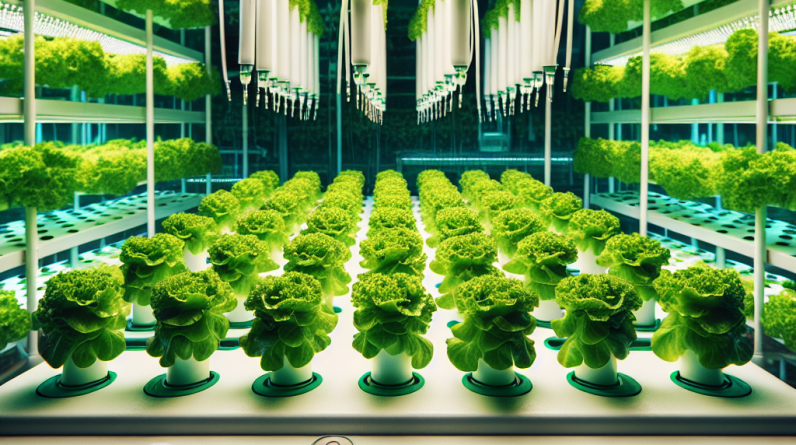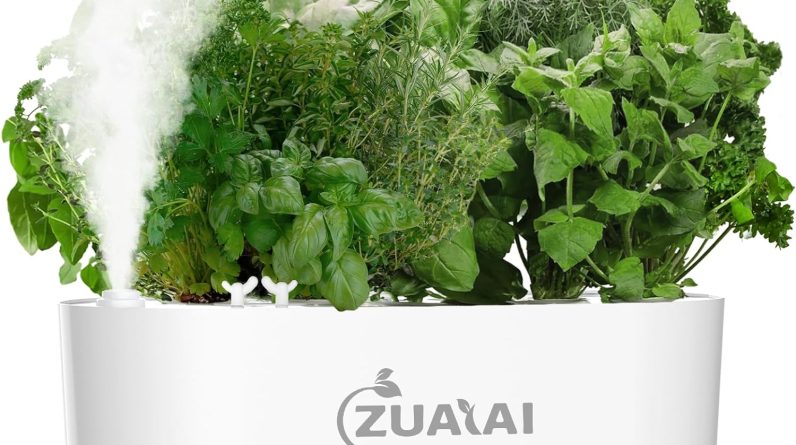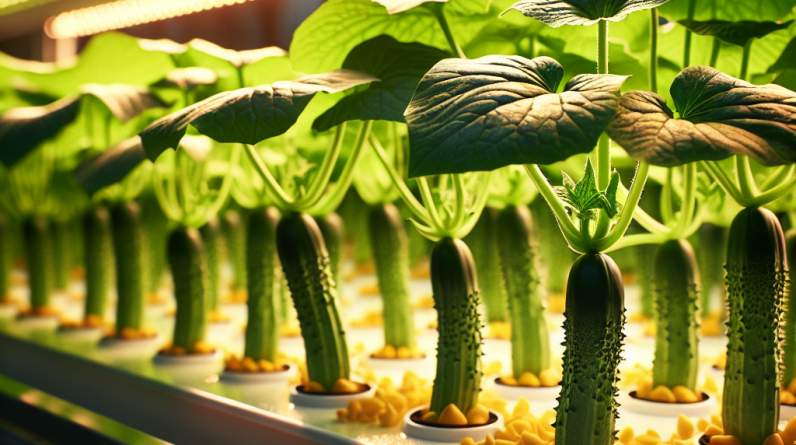
Home hydroponic gardening offers a sustainable and efficient way to grow fresh produce indoors without the need for soil. By utilizing water-based systems enriched with nutrients, home gardeners can cultivate a variety of plants, from leafy greens to herbs, all year round.
When considering home hydroponic gardening, it’s essential to understand the different systems available, such as nutrient film technique (NFT), deep water culture (DWC), and aeroponics. Each system has its own advantages and challenges, influencing factors like growth speed, plant type, and maintenance requirements. Choosing the right system is crucial to ensure a successful gardening experience.
A common mistake beginners make is underestimating the importance of light and nutrient balance. Hydroponic plants rely heavily on artificial lighting, especially in areas with limited natural sunlight. Additionally, maintaining the correct nutrient concentration is vital; too much or too little can lead to poor growth or plant stress. Prioritizing these factors can significantly enhance your gardening success.
Choosing the Right Hydroponic System
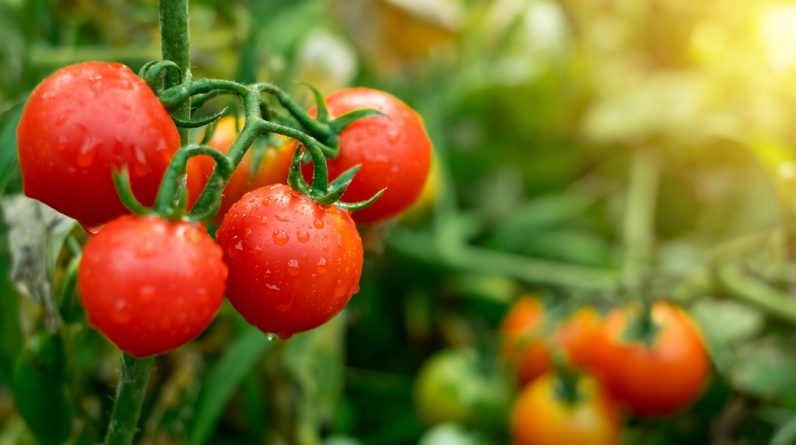
Selecting the appropriate hydroponic system is critical for successful indoor gardening. Systems such as NFT, DWC, and aeroponics each have unique qualities that cater to different plant types and growing conditions. For instance, NFT is excellent for fast-growing crops like lettuce, while DWC can support larger plants like tomatoes.
When deciding on a system, consider factors such as available space, budget, and the types of plants you wish to grow. DWC systems may require more initial investment in equipment, but they often yield faster growth rates. Conversely, NFT systems are more cost-effective but require careful monitoring to ensure consistent nutrient flow.
Many new gardeners overlook the scalability of their chosen system. If you plan to expand your garden, consider a modular design that allows for easy addition of more plants or equipment. This foresight can save you time and resources in the long run.
Essential Nutrients for Hydroponic Plants
Understanding the essential nutrients for hydroponic plants is fundamental to their growth and health. Key nutrients include nitrogen, phosphorus, potassium, calcium, magnesium, and sulfur, all of which contribute to different aspects of plant development. A balanced nutrient solution is vital for optimal plant growth.
Many hydroponic gardeners mistakenly believe that more nutrients will lead to better growth. However, excess nutrients can cause toxicity and hinder plant development. Regularly testing the nutrient solution with pH and EC meters helps maintain the ideal balance.
It’s also important to tailor your nutrient solution to the specific needs of the plants you are growing. Leafy greens may require different nutrient ratios compared to fruiting plants. Researching and adjusting your nutrient mix can significantly improve your yield and plant health.
Lighting Solutions for Indoor Hydroponics
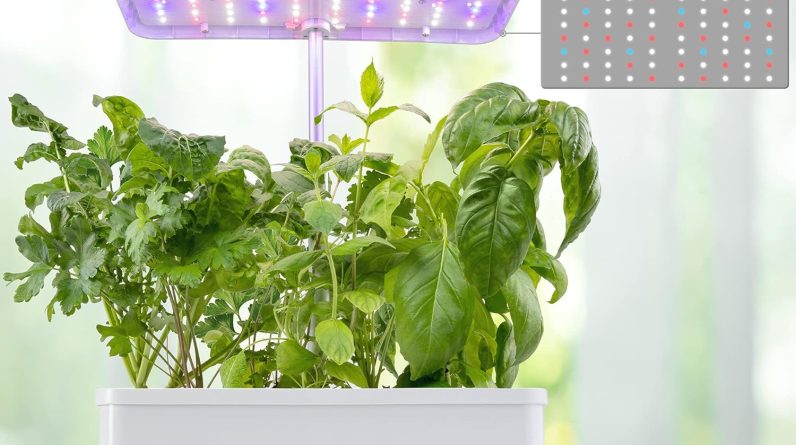
Proper lighting is crucial for indoor hydroponic gardening. Plants need adequate light to perform photosynthesis, and the type of lighting can greatly impact growth rates. LED grow lights, fluorescent lights, and HID lights are popular options, each with its own advantages.
LED lights are energy-efficient and produce less heat, making them ideal for small spaces. However, they can be more expensive initially. Fluorescent lights are more affordable and suitable for beginners but may not provide the intensity needed for larger plants. HID lights offer high-intensity lighting but generate more heat, requiring careful temperature management.
Many gardeners overlook the importance of light duration and spectrum. Plants typically require 12-16 hours of light per day, depending on the growth stage. Adjusting the light spectrum can also enhance specific growth phases, such as using blue light for vegetative growth and red light for flowering.
Common Mistakes in Hydroponic Gardening
Even experienced gardeners can make mistakes when transitioning to hydroponics. One common error is neglecting to monitor the water temperature, which can affect nutrient uptake and plant health. Ideally, water temperatures should be kept between 65°F and 75°F.
Another frequent pitfall is inadequate airflow. Plants need proper air circulation to prevent mold and pests. Investing in fans or ensuring proper spacing between plants can mitigate these issues. Additionally, new gardeners often ignore the importance of cleaning and sterilizing equipment to prevent disease.
Prioritizing regular maintenance checks can help identify and resolve issues early. Keeping a gardening journal to track plant growth, nutrient changes, and environmental conditions can also provide valuable insights into successful practices.
Further Reading
Authoritative Sources
- Hydroponics.com
hydroponics.comA comprehensive resource for hydroponic gardening techniques and systems
- Gardener's Supply Company
gardeners.comOffers a variety of hydroponic systems and advice for home gardeners
Frequently Asked Questions
What is the best hydroponic system for beginners?
A deep water culture (DWC) system is often recommended for beginners due to its simplicity and effectiveness in growing a variety of plants.
How often should I change the nutrient solution?
It’s advisable to change the nutrient solution every 1-2 weeks to prevent nutrient imbalances and ensure optimal plant growth.
Can I grow fruits in a hydroponic system?
Yes, many fruits can be successfully grown in hydroponic systems, including strawberries, tomatoes, and peppers, though they may require more space and support.
What light duration is best for hydroponic plants?
Most hydroponic plants thrive with 12-16 hours of light per day, depending on their growth stage. Adjusting light duration can optimize growth.
How can I prevent pests in my hydroponic garden?
Maintaining good airflow, regularly cleaning equipment, and using natural predators or organic treatments can help prevent pests in hydroponic systems.
Conclusion
Home hydroponic gardening presents a unique opportunity to grow fresh produce in limited spaces while utilizing innovative techniques. By understanding the different hydroponic systems, essential nutrients, and proper lighting, you can create a thriving indoor garden. Avoid common mistakes such as neglecting maintenance and nutrient monitoring to enhance your gardening success. With careful planning and attention to detail, your hydroponic garden can flourish, providing you with healthy and delicious crops throughout the year.