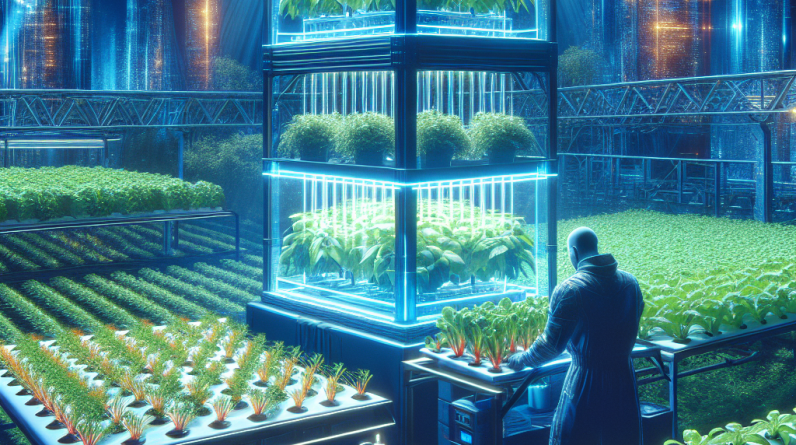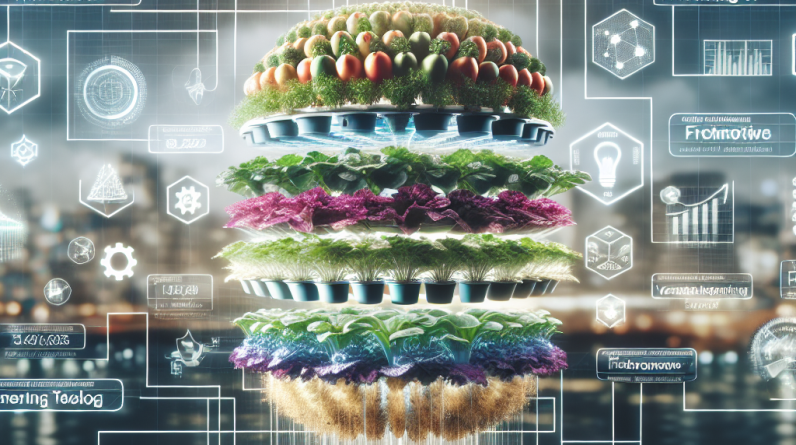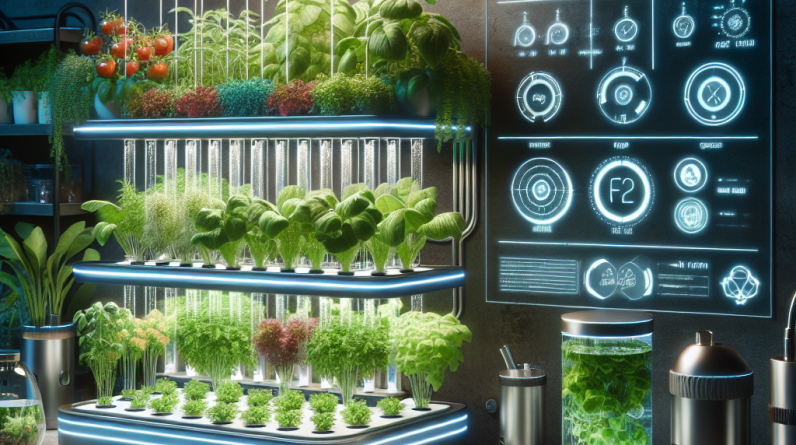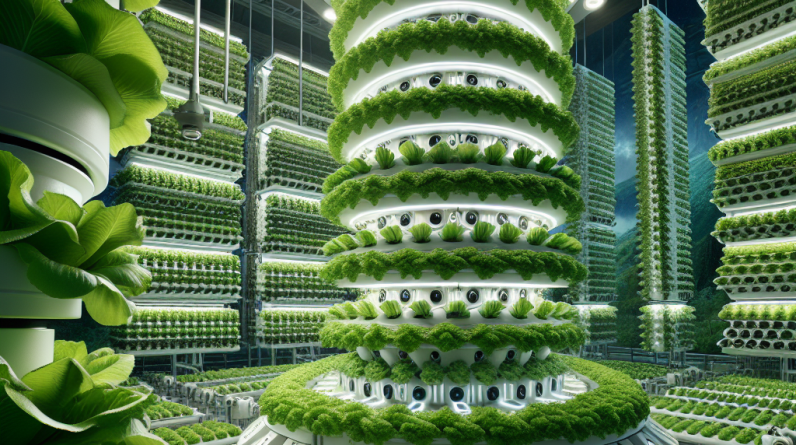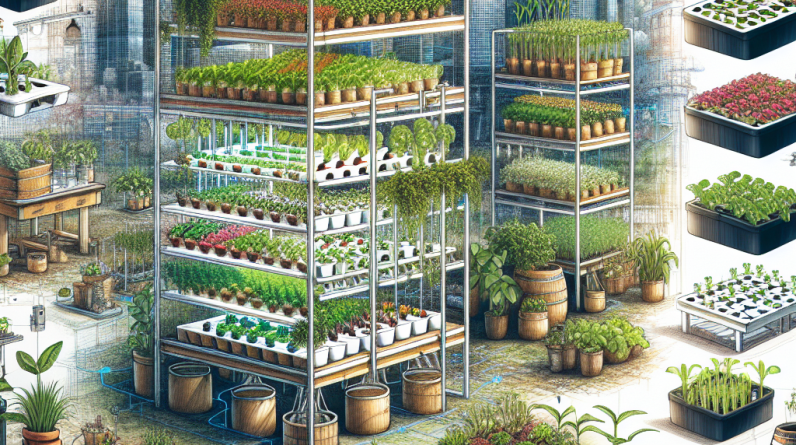
A home hydroponic vegetable system is an innovative method of growing vegetables without soil, using nutrient-rich water solutions instead. This system allows for efficient space utilization, faster growth rates, and year-round cultivation, making it ideal for urban gardeners or those with limited space.
When setting up a home hydroponic system, understanding the essential components is crucial. These include the growing medium, nutrient solution, water delivery system, and lighting. Each element plays a vital role in the overall success of the hydroponic garden. Common mistakes include neglecting pH levels, over- or under-fertilizing, and improper lighting, which can lead to poor plant health and reduced yields.
Additionally, it’s important to consider the type of hydroponic system that best suits your needs. Options include deep water culture, nutrient film technique, and aeroponics, each with unique benefits and challenges. Before starting, evaluate your available space, budget, and the types of vegetables you wish to grow. This planning phase can help avoid pitfalls later on.
Essential Components of Hydroponic Systems
The key components of a home hydroponic vegetable system include the growing medium, nutrient solution, water delivery system, and lighting. Each of these elements is essential for creating a thriving environment for your plants. The growing medium can vary from rock wool to clay pellets, providing support and moisture retention. The nutrient solution is crucial, as it supplies the necessary minerals and vitamins for plant growth.
Water delivery systems can range from simple wick systems to more complex setups like drip irrigation or flood-and-drain systems. Proper lighting, whether natural or artificial, is also critical for photosynthesis and healthy growth. Understanding how these components interact will help you create a successful hydroponic setup.
Moreover, it’s essential to monitor the pH and electrical conductivity of your nutrient solution regularly. Maintaining the right balance ensures that plants can absorb the nutrients effectively. Many new growers overlook this aspect, leading to nutrient deficiencies or toxicities that can stunt growth and affect yields.
Common Hydroponic Methods Explained
Several hydroponic methods are available, each with its advantages and disadvantages. Deep water culture (DWC) involves suspending plant roots in oxygen-rich, nutrient-filled water. This method is straightforward and suitable for beginners. Nutrient film technique (NFT) uses a thin film of nutrient solution that flows over the roots, allowing for efficient nutrient uptake.
Aeroponics, on the other hand, involves misting the roots with a nutrient solution, providing high oxygen levels and promoting rapid growth. Each method requires specific equipment and maintenance routines, making it crucial to choose the one that aligns with your gardening goals and expertise.
When selecting a method, consider factors such as space, budget, and the types of plants you wish to grow. For example, DWC is ideal for leafy greens, while aeroponics can be used for a wider variety of vegetables, including fruiting plants. This decision will significantly impact your overall success and enjoyment of home hydroponics.
Troubleshooting Common Issues
Despite the benefits of hydroponics, growers often encounter challenges. Common issues include nutrient imbalances, pests, and diseases. Nutrient imbalances can occur if the solution’s pH is not maintained within the optimal range (5.5 to 6.5). This can lead to deficiencies or toxicities that harm plant growth.
Pests such as aphids or spider mites can also invade hydroponic systems, especially if the setup is not properly maintained. Regular monitoring and integrated pest management strategies are essential for preventing infestations. Additionally, diseases such as root rot can arise from overwatering or poor drainage, making it crucial to ensure that the growing medium allows for adequate aeration.
To effectively troubleshoot these issues, keep a detailed log of your plants’ growth conditions, including nutrient levels, pH, and any observed problems. This record will help you identify patterns and make informed adjustments to your system.
Cost Considerations for Home Hydroponics
Starting a home hydroponic vegetable system involves various costs, including equipment, supplies, and ongoing maintenance. Initial investments can range from a few hundred to several thousand dollars, depending on the complexity of your setup. Basic systems can be built with inexpensive materials, while advanced systems may require specialized equipment.
Ongoing costs include electricity for lighting, water, and nutrients. It’s essential to budget for these expenses to ensure your system remains sustainable. Additionally, consider the potential savings on grocery bills and the benefits of growing fresh produce at home.
Before diving into hydroponics, create a detailed budget that accounts for both initial and ongoing costs. This planning will help you set realistic expectations and determine the best approach for your home gardening goals.
Further Reading
Authoritative Sources
- Hydroponics Research and Development
hydroponics.comThis resource provides in-depth articles and research on various hydroponic systems and techniques
- Urban Farming Strategies
urbanfarms.comOffers practical advice and resources for urban gardening and hydroponics
- Gardening Know How
gardeningknowhow.comA comprehensive guide for various gardening methods, including hydroponics
Frequently Asked Questions
What vegetables can I grow in a home hydroponic system?
You can grow a variety of vegetables, including lettuce, spinach, tomatoes, cucumbers, and peppers, in a home hydroponic system.
How often should I change the nutrient solution?
Typically, you should change the nutrient solution every two to three weeks to ensure optimal nutrient availability.
Can I use tap water for my hydroponic system?
Yes, but it’s important to test the water for pH and chlorine levels before using it in your hydroponic system.
What are the signs of nutrient deficiency in plants?
Common signs include yellowing leaves, stunted growth, and poor fruit development, indicating a need for nutrient adjustment.
Is hydroponics suitable for beginners?
Yes, many hydroponic systems are beginner-friendly, especially simpler setups like deep water culture.
Conclusion
In summary, a home hydroponic vegetable system offers an efficient way to grow fresh produce, especially in limited spaces. By understanding the essential components, common methods, and potential challenges, you can create a successful hydroponic garden. Prioritize monitoring nutrient levels and plant health, and be prepared to adapt your approach as you learn. With careful planning and attention, you can enjoy the benefits of home-grown vegetables year-round.