- Introduction
- Understanding the Basics of Hydroponics
- How Hydroponics Works: The Systems Behind It
- Benefits and Challenges of Hydroponics
- Future Trends in Hydroponics
- FAQ
- Conclusion
Introduction
In recent years, many people have become increasingly curious about how hydroponics works. This innovative method of growing plants without soil has emerged as a popular solution for those looking to maximize their agricultural output with limited space and resources. Understanding the fundamentals of hydroponics not only paves the way for sustainable farming practices but also fosters a deeper appreciation for our food systems.
This 2026 guide aims to demystify the process of hydroponics and illuminate its various applications. From urban gardens to large-scale commercial operations, how hydroponics works can empower anyone to cultivate healthy, fresh produce year-round. If you’re eager to delve into the world of soil-less gardening, you’re in the right place!
Understanding the Basics of Hydroponics
The Concept of Hydroponics
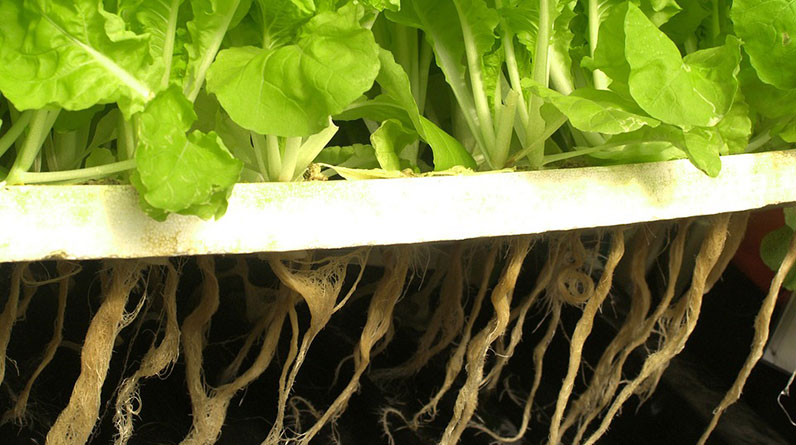
At its core, hydroponics is a method of growing plants without soil, using nutrient-rich water instead. This technique allows plants to absorb nutrients directly through their roots, promoting faster growth and higher yields than traditional soil-based agriculture. In basic hydroponic systems, water serves as the medium for delivering essential nutrients directly to the plant roots.
The concept is founded on the principles of plant physiology, where roots take up minerals and water to fuel growth. By eliminating soil, we can create optimal growing conditions tailored to each plant’s specific needs, allowing for precise control over nutrient levels, pH, and environmental factors.
Types of Hydroponic Systems
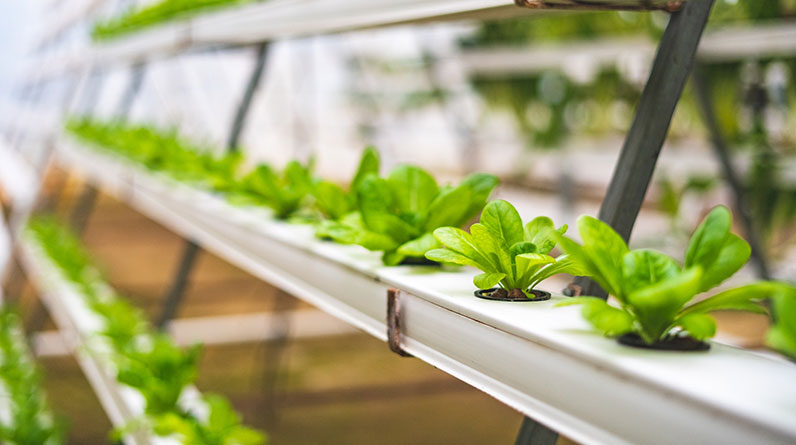
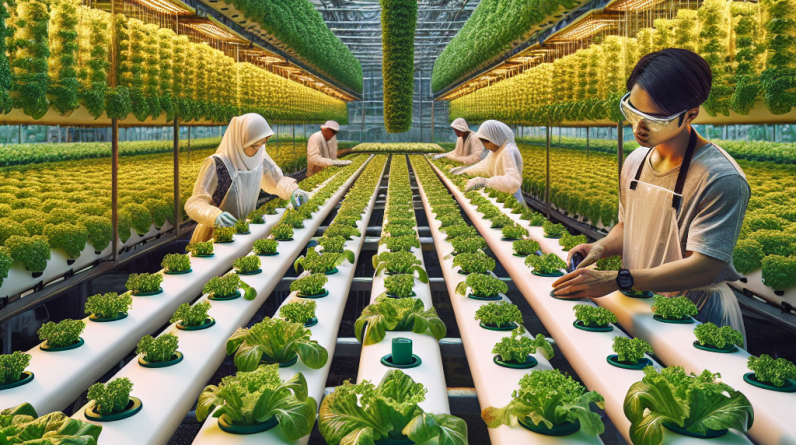
There are several hydroponic systems, each with its unique approach. The most common types include nutrient film technique (NFT), deep water culture (DWC), and aeroponics, among others. For example, NFT involves a thin film of nutrient solution circulating over plant roots, while DWC suspends the roots directly in oxygenated nutrient solution.
Each system has its strengths and weaknesses, and the best choice often depends on factors like space, desired crops, and available resources. Understanding the differences can help you determine which type of hydroponics best suits your growing goals.
Key Components of Hydroponics
The basic components of a hydroponic system include the growing medium, water reservoir, nutrient solution, and pump. While hydroponics can technically be conducted without a growing medium, most systems utilize materials like clay pellets, rock wool, or coco coir to anchor the roots and support the plants during growth.
The water reservoir stores the nutrient solution, which is vital for plant development. This solution is carefully mixed to contain necessary macro and micronutrients such as nitrogen, phosphorus, and potassium, which all play key roles in plant health.
Hydroponic Nutrient Solutions
The success of hydroponics heavily relies on the nutrient solutions used. These solutions must be carefully balanced to contain all essential nutrients that plants require for growth. Commercially available nutrient mixtures often offer convenience but can lead to over-reliance, potentially causing deficiencies if not monitored.
Alternatively, some growers prefer to create their custom blends, allowing for more control over nutrient profiles. It’s essential to consider factors such as plant species, growth stage, and environmental conditions when mixing nutrient solutions for optimal results.
How Hydroponics Works: The Systems Behind It
Mechanics of Nutrient Delivery
How hydroponics works includes an intricate system for delivering nutrients directly to plants. The method used to supply these nutrients can vary widely, but each approach ensures that plants receive the necessary elements for growth without the use of soil. The involvement of pumps and timers plays a crucial role in maintaining a consistent flow of nutrient solution.
By adhering to this precise delivery method, we can facilitate more efficient uptake of water and nutrients, leading to faster growth rates. Observing the changes in plant behavior as they respond to nutrient adjustments can offer deeper insights into how hydroponics works.
Environmental Control in Hydroponics
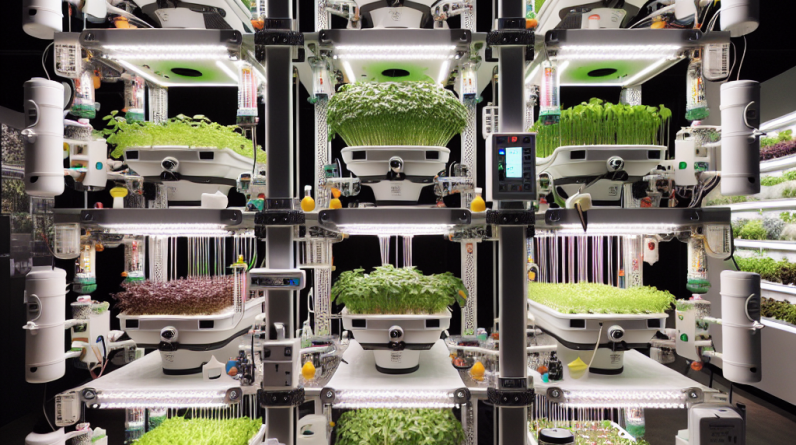
Controlling the environment is a critical component of successful hydroponic gardening. Factors such as light, temperature, and humidity all influence plant growth and yield. Many hydroponic systems are equipped with advanced technologies like grow lights and climate control systems to create optimal conditions indoors or in greenhouses.
Effective environmental control can extend the growing season and allow for a diverse range of plants to be cultivated regardless of external climate. Understanding how hydroponics works in terms of environmental management is key for those looking to maximize their yields.
Water Quality Management
Water quality is one of the most vital factors in how hydroponics works. Impurities or incorrect pH levels can severely hinder plant growth, making regular monitoring essential. Implementing a water testing routine can help ensure that nutrient levels remain within the optimal range for your plants.
Additionally, using clean, filtered water can prevent the introduction of pathogens or harmful chemicals that could disrupt your hydroponic system’s delicate balance. Prioritizing water quality management not only contributes to healthier plants but also enhances overall system performance.
Pest and Disease Management
While hydroponics reduces certain soil-borne pests and diseases, it does not eliminate all risks. Understanding how hydroponics works in the context of pest management is essential for maintaining healthy crops. Regular inspections and adopting integrated pest management strategies can help in early detection and prevention of pest outbreaks.
Utilizing organic pest control methods, such as introducing beneficial insects or using organic pesticides, can provide a balanced approach. Keeping a clean environment is also vital, as clutter or debris can attract pests or harbor disease pathogens.
Benefits and Challenges of Hydroponics
Advantages of Hydroponics
One of the primary benefits of hydroponics is its ability to produce high yields in a limited space. This makes hydroponic systems ideal for urban gardening, where available land may be scarce. Additionally, the efficiency of water use in hydroponics can save significant amounts of water compared to traditional farming.
Hydroponics also allows for year-round cultivation, enabling producers to grow crops outside of traditional agricultural seasons. As a result, fresh, nutritious food can be made available consistently, contributing to food security in various regions.
Challenges in Hydroponics
Despite its advantages, hydroponics also presents certain challenges. The initial setup costs for systems and equipment can be higher compared to traditional farming methods. Depending on the scale, costs for nutrient solutions, monitoring equipment, and energy for lighting can quickly add up.
Additionally, maintaining a hydroponic system requires ongoing education and vigilance to ensure it remains balanced and disease-free. Potential growers must be ready to invest time and effort into learning how hydroponics works to maximize success.
Hydroponics vs. Traditional Farming
Comparing hydroponics to traditional farming highlights both methodologies’ unique benefits and drawbacks. While traditional farming relies heavily on soil and seasonal conditions, hydroponics can be implemented in various environments, offering flexibility for growers.
However, traditional farms may benefit from naturally occurring soil nutrients and established ecosystems. Understanding these distinctions can help potential growers decide which method aligns best with their goals and resources.
Economic Viability of Hydroponics
Understanding how hydroponics works can shed light on its economic viability. While startup costs are often higher, producing crops in a controlled environment can result in higher prices per unit due to quality and freshness. This can make hydroponics a profitable venture for skilled operators.
Furthermore, the growing demand for locally sourced, organic produce increases the appeal of hydroponic offers. As urban populations continue to rise, the future of hydroponics seems promising for meeting food needs sustainably.
Future Trends in Hydroponics
Technological Innovations
Technological advancements are playing a significant role in shaping future trends within hydroponics. Managerial software, automated systems, and AI-driven analysis are helping farmers streamline operations and improve the precision of nutrient delivery. As these technologies evolve, they will likely enhance efficiency and reduce labor costs.
Incorporating smart technologies can also contribute to sustainability by optimizing energy and water use. Ultimately, keeping up with these innovations will be crucial for those looking to stay competitive in the dynamic hydroponics market.
Urban Agriculture and Hydroponics
The rise of urban agriculture is closely linked to how hydroponics works. As cities grow and spaces become more constrained, hydroponic farms are emerging as practical solutions for growing food locally. By utilizing rooftops, indoor spaces, and vacant lots, urban growers can fulfill community demands for fresh produce.
This movement not only fosters food security but also enhances community engagement and awareness about local food systems. Urban hydroponics can play a significant role in reshaping city landscapes into productive green spaces.
Hydroponics and Sustainability
Future trends suggest that sustainability will become an even greater focus within the hydroponics industry. Practices that minimize waste, conserve water, and utilize renewable energy sources are becoming increasingly important. Developing systems that incorporate principles of circular economy could revolutionize how hydroponics is perceived and practiced.
By aligning hydroponics with sustainable practices, growers can demonstrate that it’s not just about higher yields but also about fostering a more responsible relationship with our planet’s resources.
Legislation and Policy Impact
As the demand for hydroponically grown produce increases, understanding how regulations and policies impact this industry is crucial. Governments are starting to recognize the benefits of hydroponics for food security and environmental sustainability. Future policies may offer incentives for adopting hydroponic systems, making them more accessible.
By staying informed about potential legislation, hydroponics enthusiasts can better navigate the evolving landscape of agricultural policies that may impact their operations.
FAQ
What is hydroponics and how does it work?
Hydroponics is a method of growing plants without soil by using nutrient-rich water solutions. In hydroponic systems, plants receive all essential nutrients directly through their roots, which enhances growth rates and yields. Each system relies on a combination of components, including a nutrient reservoir, substrate, and pumping mechanisms to facilitate effective growth.
How hydroponics works in urban gardening?
In urban gardening, understanding how hydroponics works is vital due to limited space availability. Hydroponics allows urban dwellers to grow food in small areas like balconies, rooftops, or indoor setups. This method optimizes space and resources, enabling year-round production of fresh produce despite the challenges posed by urban environments.
Is hydroponic gardening suitable for beginners?
Yes, hydroponic gardening can be suitable for beginners, but it does require a willingness to learn. Basic systems are relatively straightforward and easy to set up, making the entry barrier lower compared to traditional farming. However, new growers should familiarize themselves with nutrient management and environmental control to ensure successful results.
What crops can be grown using hydroponics?
A wide variety of crops can be successfully grown using hydroponics, including leafy greens, herbs, and certain fruiting plants like tomatoes and strawberries. Fast-growing plants are particularly well-suited for hydroponic systems, allowing for multiple harvests throughout the year. Understanding the compatibility of specific plants with hydroponics is essential for successful cultivation.
What are the costs associated with setting up a hydroponic system?
The costs of setting up a hydroponic system can vary significantly based on the type and scale of the operation. Initial investments may include equipment costs for lighting, pumps, and nutrient solutions, as well as ongoing expenses for utilities. However, many growers find that these costs are offset by the high yields and quality of produce over time.
Conclusion
Ultimately, understanding how hydroponics works is crucial for anyone interested in sustainable agriculture and innovative gardening solutions. By exploring the multiple facets of hydroponics—its systems, benefits, and future trends—we can appreciate its potential to reshape our food systems and ensure access to fresh produce worldwide. The journey into hydroponics is not just about growing plants; it’s about cultivating a more sustainable future.
Find out more information about “how hydroponics works”
Search for more resources and information: