Understanding Hydroponics
What is Hydroponics?
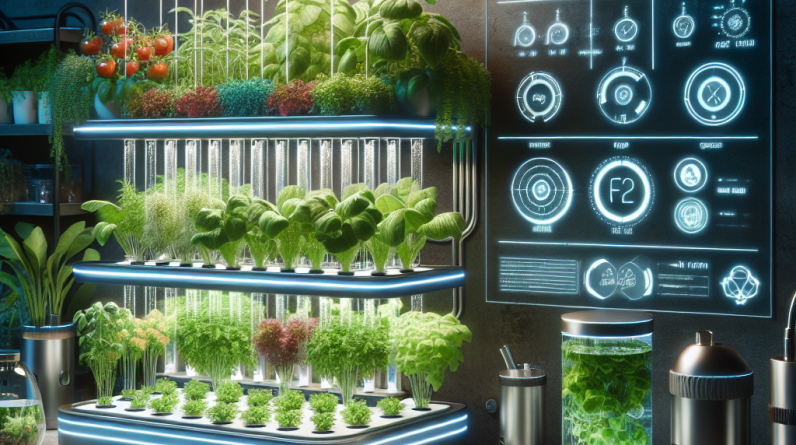
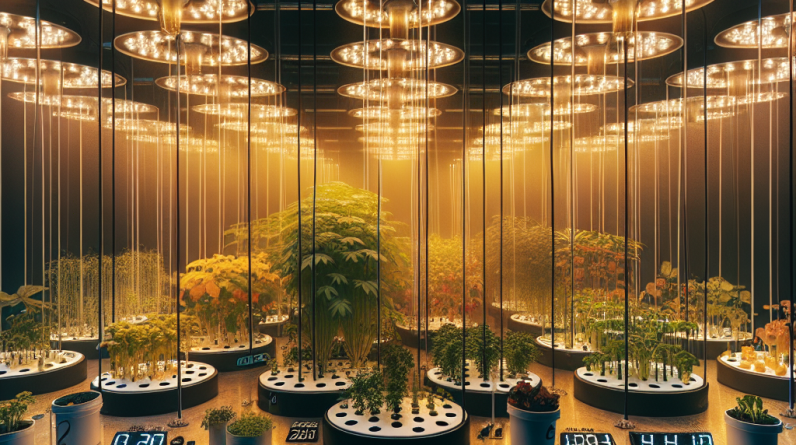
This matters more than it seems because weak decisions here usually create bigger downstream problems. So, let me break it down for you—hydroponics is this super cool method of growing plants without soil. Instead, you’re using a nutrient-rich water solution to nourish them. I was pretty skeptical at first, but once I saw the results, I was sold! It’s not just for the green thumbs; anyone can do it with a little practice.
The magic lies in control. You get to regulate the nutrients and pH levels more easily than traditional gardening. I remember the first time I tried it; my basil grew lush and green within weeks! It’s almost instant gratification, and who doesn’t love that?
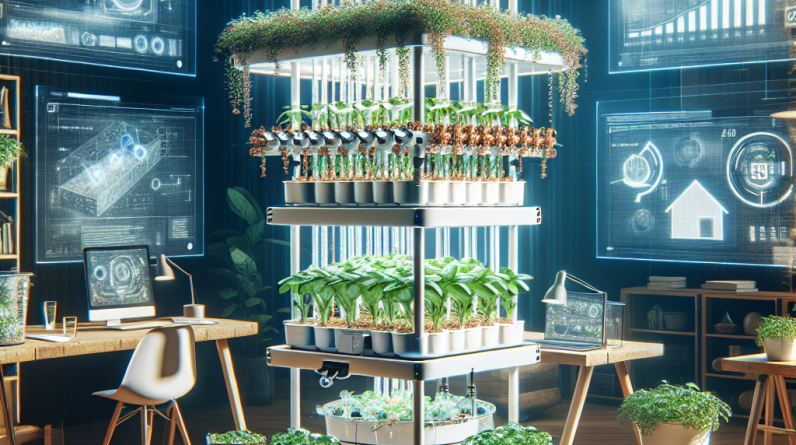
Plus, it’s a perfect solution for people with limited space like me. You can set up a hydroponic system indoors or on a small balcony and still enjoy fresh veggies right at home.
Choosing the Right Hydroponic System
Types of Hydroponic Systems
This matters more than it seems because weak decisions here usually create bigger downstream problems. Now, let’s chat about the different types of hydroponic systems out there. There’s a bunch—Nutrient Film Technique (NFT), Deep Water Culture, and Ebb and Flow, just to name a few. I bumbled around trying to find the right one for my needs.
If you’re looking for something straightforward, I’d recommend starting with Deep Water Culture. You can keep the plants submerged in oxygen-rich water for easy growth—super beginner-friendly!
On the flip side, if you’re more adventurous, Ebb and Flow might be calling your name. It’s a little more hands-on but offers great results once you get the hang of it. Just don’t be like me and overthink it—pick one and dive in!
Setting Up Your Hydroponic System
Gathering Your Materials
This matters more than it seems because weak decisions here usually create bigger downstream problems. Here comes the fun part! Once you’ve settled on a system, it’s time to gather your materials. At first, I thought I needed a ton of fancy equipment, but I found that keeping it simple was key. You need containers, a water pump, and of course, the right nutrient solutions!
Oh! And don’t forget about good quality seeds. I made the rookie mistake of grabbing the cheapest option, and let’s just say the results were a bit sad. Go for quality; trust me, it’ll pay off!
Also, consider grow lights if you’re starting indoors. Natural sunlight is fab, but sometimes our friends in the clouds can be annoying and hide the sun for days. A good grow light can keep the plants happy and healthy!
Maintaining Your Hydroponic System
Monitoring pH and Nitrates
This matters more than it seems because weak decisions here usually create bigger downstream problems. Maintaining your system is where the real ongoing commitment comes in. Monitoring pH levels and nutrient concentration might sound like a chore, but I found it quite simple and satisfying. The right tools make all the difference—I invested in a pH meter early on, and it’s been worth every penny!
If your pH goes too high or low, your plants can get stressed out and might not absorb nutrients as effectively. I learned this the hard way, so always remember: check them often. It became a fun little routine for me, and my plants have loved me for it.
Also, don’t forget to refresh the nutrient solution regularly. Every week or two, I replace it to ensure everything stays optimal. It’s like giving my plants a spa day—who doesn’t want that?
Planning for Continuous Harvest
Crop Rotation and Staggered Planting
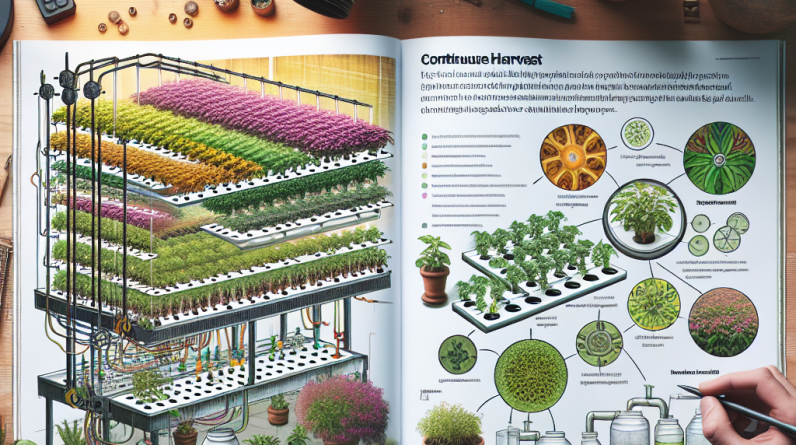
This matters more than it seems because weak decisions here usually create bigger downstream problems. To wrap up, let’s talk about how to have that nonstop harvest. What worked for me is implementing a mix of crop rotation and staggered planting. I started with a few fast-growing greens like lettuce while I had tomatoes coming up behind.
This way, I always had something to harvest—even when other crops were in their slower stages. It felt great to have fresh, homegrown food year-round, and my friends were super impressed too!
Keep in mind, timing is key. I made a simple planting calendar on a whiteboard in my kitchen, it stays in view, keeping me on track. You’ll love the variety and be amazed at how organized you can get over time!
FAQs
1. Can I use regular seeds for a hydroponic system?
This matters more than it seems because weak decisions here usually create bigger downstream problems. Absolutely! Regular seeds work just fine, but it’s best to choose varieties that are suitable for hydroponics, like leafy greens or herbs.
2. Do I need special lights for indoor hydroponics?
This matters more than it seems because weak decisions here usually create bigger downstream problems. Yes, grow lights can be beneficial if you don’t have plenty of natural sunlight. They help replicate sunlight and keep your plants thriving!
3. How often should I check my nutrient solution?
This matters more than it seems because weak decisions here usually create bigger downstream problems. I’d recommend checking your nutrient solution at least once a week, but if you’re more hands-on, feel free to check more often. Keeping things fresh is key!
4. What’s the most beginner-friendly hydroponic system?
This matters more than it seems because weak decisions here usually create bigger downstream problems. In my opinion, Deep Water Culture is the way to go. It’s easy to set up, low-maintenance, and works great for new gardeners.
5. Will hydroponics save me money on groceries?
This matters more than it seems because weak decisions here usually create bigger downstream problems. It can! While there’s an initial investment, as you grow more plants, you’ll find yourself spending less on store-bought herbs and veggies, plus the taste of homegrown is unbeatable!