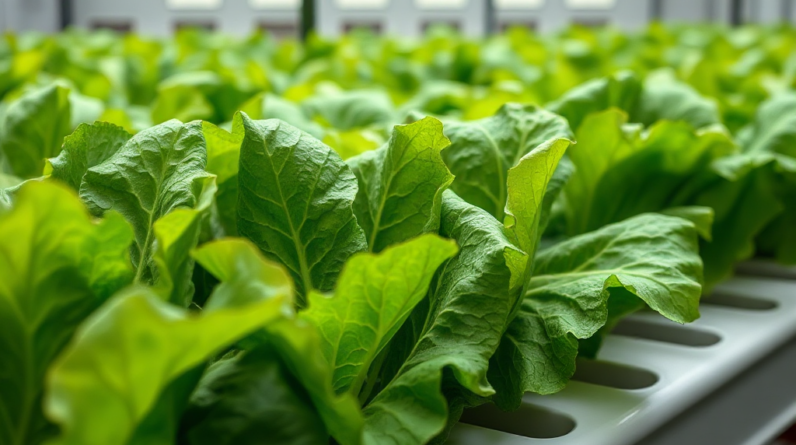
Hydroponic crop succession for continuous lettuce works by sowing and transplanting small batches on a fixed schedule rather than filling every channel at once. A six-week rhythm can pair weekly seed starts with staggered harvests, while cultivar choice, nursery space, root-zone capacity, light, temperature, and sanitation determine whether the supply remains even. Transplant seedlings when roots hold the plug together, reserve mature sites before each batch moves in, and remove spent plants promptly so they do not compete with younger lettuce. The most common mistake is planting at equal intervals without accounting for cultivar maturity or slower growth during warm conditions; adjust the interval after observing actual harvest age.
The Succession Model for a Steady Lettuce Supply
A lettuce succession replaces a single large planting with several smaller cohorts that enter production at different times. Each cohort has its own sowing date, transplant date, expected harvest window, and removal date. The approach suits hydroponics because the grower can assign a limited number of sites to each batch instead of allowing one planting to occupy every channel for several weeks.
Plant count should follow consumption or sales, not the maximum capacity of the garden. If a household uses six heads weekly, planting six or seven seedlings at a regular interval is usually easier to manage than starting dozens at once. Extra plants may appear efficient, but they create a harvest glut, crowding, uneven light exposure, and a larger sanitation task when the crop finishes.
Succession does not mean every batch will mature at exactly the same age. Butterhead, loose-leaf, romaine, and compact cultivars differ in size, leaf density, and tolerance of delayed harvest. A fast loose-leaf type may be ready before a dense romaine planted on the same day. Use the planned schedule as a starting point, then record the actual harvest age for each cultivar.
A common weak assumption is that equal calendar spacing automatically produces equal harvests. Temperature, light intensity, root restriction, nutrient strength, and transplant shock can shift maturity. A better approach is to keep a small buffer: sow the next batch before the previous one reaches its final harvest date, and avoid filling every available site unless demand justifies the risk.
For growers refining their broader production routine, Hydroponic crop succession for continuous lettuce is best treated as a scheduling problem connected to plant care, rather than as a seed-starting trick alone.
Building a Planting Rhythm Around Real Growth Rates
The planting interval is the time between sowing one cohort and sowing the next. Weekly sowing is convenient, but it is not universally correct. A small indoor garden may need a ten- to fourteen-day interval, while a larger setup serving frequent harvests may use several sowings each week. The useful interval is the one that matches harvest demand, available sites, and observed growth.
Begin by estimating the number of heads needed per harvest period and the number of days from sowing to the preferred harvest size. Then allow for germination variability and plants that fail to establish. If twelve plants are needed every two weeks, starting fourteen or fifteen seeds gives a modest replacement margin without creating a large surplus. The extra seedlings can be removed early if the main batch establishes fully.
Record four dates for each cohort: seed sowing, germination, transplanting, and harvest. Add notes about temperature, lighting changes, root appearance, and whether the plant was harvested young or fully sized. After two or three cycles, the record will reveal whether the schedule is too tight or too loose. A schedule that repeatedly leaves empty sites needs an earlier sowing; one that produces overlapping mature batches needs a longer interval or earlier harvest.
Consider cultivar mixing carefully. Combining a quick loose-leaf lettuce with a slower romaine can extend variety, but it complicates space allocation because the plants will not have identical site occupancy. A single cultivar is easier for beginners and makes the harvest curve more predictable. Mixed cultivars are more suitable when the grower can label channels and accept different removal dates.
- Small demand: sow a modest batch every ten to fourteen days and harvest selectively.
- Regular weekly demand: sow a similar number each week, then adjust after comparing actual maturity dates.
- Variable demand: use loose-leaf harvests as a buffer because outer leaves can be removed without clearing the entire site.
Planting too frequently is often harder to correct than planting slightly late. An overcrowded mature batch shades younger plants and consumes nursery or grow-out capacity. When uncertain, leave room for one replacement cohort and shorten the interval only after the system consistently has unused capacity.
Moving Batches Through Nursery and Grow-Out Areas
Continuous harvest depends on a reliable handoff from germination to the production area. Seedlings should move when the plug is held together by roots and the first true leaves are developing, not merely when the calendar reaches a particular day. Very young plugs can break apart during transfer; over-aged seedlings may become stretched, root-bound, or difficult to establish.
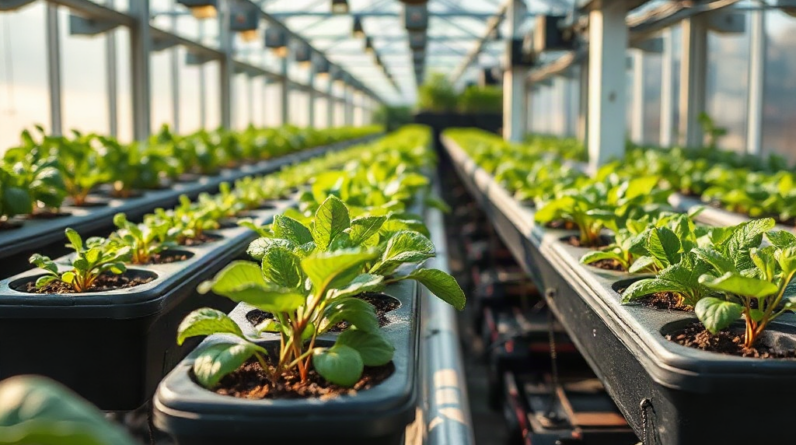
Use labels that identify both cultivar and cohort date. In a deep-water culture, NFT, or another channel-based arrangement, mark the location of each batch so the oldest plants can be found quickly. Without labels, a grower may harvest the wrong group, leave an over-mature plant blocking a site, or assume that a slow cohort has a nutrient problem when it was simply transplanted later.
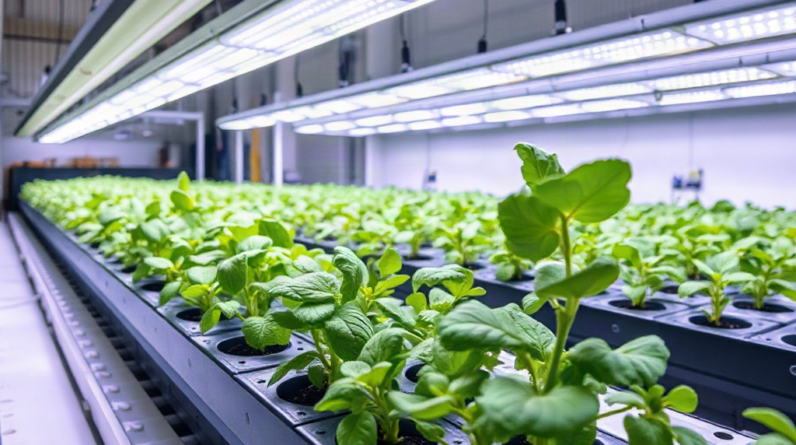
Nursery capacity is a hidden limit. A six-week planting rhythm may sound simple, but it requires enough space for germinating seeds, developing plugs, recently transplanted seedlings, and mature plants at the same time. If only one tray fits under the light, the schedule must be reduced or batches must be smaller. Adding more seeds without adding nursery capacity produces weak plants rather than more harvestable lettuce.
Transplant shock can create a gap in the harvest curve. Move plugs during a cooler part of the day when possible, keep the root material moist, and avoid burying the crown. Plants that stall after transfer may finish several days behind the rest of their cohort. Treat those plants as a delayed subgroup instead of forcing them into the original harvest date.
Air movement, light height, and spacing also change as cohorts overlap. Mature leaves can shade newly transplanted lettuce, while dense foliage raises humidity around the crown. A full channel may therefore yield fewer usable leaves than a slightly less crowded one. The alternative is to maximize occupancy, but that strategy trades predictable growth for more competition and a larger disease-management burden.
Growers comparing different layouts can link this schedule to Hydroponic crop succession for continuous lettuce by tracking site availability separately from seedling availability. Having seedlings ready does not help if no clean, functioning site is open for them.
Harvest Management, Sanitation, and Schedule Corrections
Harvest timing determines whether succession remains continuous. Whole-head harvesting frees a site quickly and gives a clear reset point, while leaf-by-leaf harvesting extends the life of a plant but leaves the site occupied. Neither method is automatically better. Whole heads suit predictable weekly quantities; selective harvest suits households that need smaller amounts and can tolerate variable plant size.
Harvest the oldest suitable cohort first, especially when leaves are becoming crowded or the plant is beginning to elongate. Bolting risk rises with heat and plant age, so delaying every harvest until all heads reach the same size can reduce quality. A smaller, fresh head may be more useful than a larger head that has become bitter or developed an open center.
After removal, inspect the site, net cup, roots, and nearby plumbing. Discard detached roots and plant debris rather than allowing them to circulate through the reservoir. A quick visual inspection can reveal slimy roots, clogged openings, algae exposure, or a damaged cup before the next cohort occupies the position. Cleaning between every individual harvest may be impractical in a crowded system, but sanitation should not be postponed when roots or foliage show a problem.
When the schedule fails, identify the type of failure before changing planting dates. Empty channels point toward late sowing, poor germination, transplant losses, or unexpectedly slow growth. A harvest pileup points toward oversized batches, a short planting interval, or a cultivar that matures earlier than expected. Uneven heads within one cohort suggest differences in light, airflow, root contact, or spacing rather than a simple calendar error.
Do not respond to every delay by increasing nutrient concentration. Lettuce growth can slow because of heat, weak light, root damage, or transplant stress, and a stronger solution may add salt stress without correcting the cause. Check the growing environment and roots, then adjust the next cohort rather than repeatedly disturbing established plants. For related sanitation and plant-care decisions, Hydroponic crop succession for continuous lettuce should be paired with clear harvest records.
A Practical Six-Week Operating Plan
A six-week rhythm provides a useful planning model for growers who want a regular harvest without treating the calendar as a guarantee. Divide the intended production area into six cohorts. Each week, sow the next batch, inspect the batch already growing, and harvest plants that have reached the desired size. The number of plants per cohort should reflect demand and available sites, not the number used in an example schedule.
At the start of week one, sow cohort A and prepare the nursery. In week two, sow cohort B and verify that A has germinated evenly. In week three, sow C and transplant the strongest members of A if their plugs are intact. Continue the pattern through week six. Once the cycle repeats, the oldest occupied sites should be approaching harvest while the newest cohort is still establishing.
Use a written board or spreadsheet with columns for cohort, cultivar, seed count, transplant date, planned harvest window, actual harvest date, and notes. This makes the next decision visible. If cohort A is still small when cohort B is ready to transplant, do not automatically delay B; first determine whether spare sites exist and whether A suffered a specific setback. If A is mature while B is barely started, the next sowing should move earlier or include a few replacement seedlings.
Keep a buffer of unoccupied sites when the garden can afford it. Empty capacity may look wasteful, but it provides room for replacements, delayed seedlings, and a clean transition after a plant-health problem. A fully packed system offers maximum theoretical output while leaving little room to isolate a questionable plant or accommodate a missed sowing.
The schedule is working when harvest quantities are close to the intended weekly amount, plants move through the nursery without crowding, and each cleared site can receive a healthy replacement promptly. It is failing when multiple cohorts mature together, seedlings wait too long for sites, or the grower must harvest plants before they are useful simply to make room. Correct one variable at a time—batch size, interval, cultivar, or site allocation—so the effect is clear.
Frequently Asked Questions
How often should lettuce be sown for continuous harvest?
Weekly sowing suits steady demand, but ten- to fourteen-day intervals may fit a small garden better. Match the interval to actual maturity, plant count, and available sites.
Can different lettuce varieties share one succession schedule?
They can, but maturity differences make the schedule less predictable. Keep cultivars labeled and give slower romaine types more space or a separate harvest window.
When should hydroponic lettuce seedlings be transplanted?
Transplant when the plug holds together with roots and the first true leaves are developing. Waiting too long can produce stretched or root-bound seedlings.
Is whole-head harvesting better than picking individual leaves?
Whole-head harvest clears sites quickly and suits measured weekly demand. Selective leaf harvest extends occupancy and works better when small amounts are needed frequently.
What should be changed when several lettuce batches mature together?
Reduce the next batch size or lengthen the planting interval after checking cultivar maturity. Do not change nutrients first unless root-zone or solution measurements indicate a problem.
Further Reading
Authoritative Sources
- Academy of Nutrition and Dietetics
eatright.orgProfessional nutrition guidance, healthy eating resources, and practical dietitian-reviewed advice.
- U.S. Department of Agriculture
usda.govOfficial food, nutrition, agriculture, and consumer guidance from the USDA.
- NIH Office of Dietary Supplements
ods.od.nih.govResearch-based fact sheets on nutrients, supplements, dietary intake, and safety considerations.
- International Society of Sports Nutrition
sportsnutritionsociety.orgEvidence-informed sports nutrition resources and position stands for active people and athletes.
Conclusion
Continuous lettuce comes from managing cohorts, not from filling every available site. Set batch size according to real demand, choose an interval that matches observed maturity, and preserve enough nursery and grow-out capacity for replacements. Labels and harvest records turn an approximate calendar into a useful production system by showing whether delays come from germination, transplant shock, temperature, light, crowding, or cultivar choice. Whole-head harvesting creates faster turnover, while selective harvesting offers flexibility at the cost of occupied sites. Begin with a conservative six-week rhythm, measure actual harvest dates, and change one scheduling variable at a time. That process produces a steadier supply while keeping overcrowding, wasted seedlings, and rushed harvests under control.