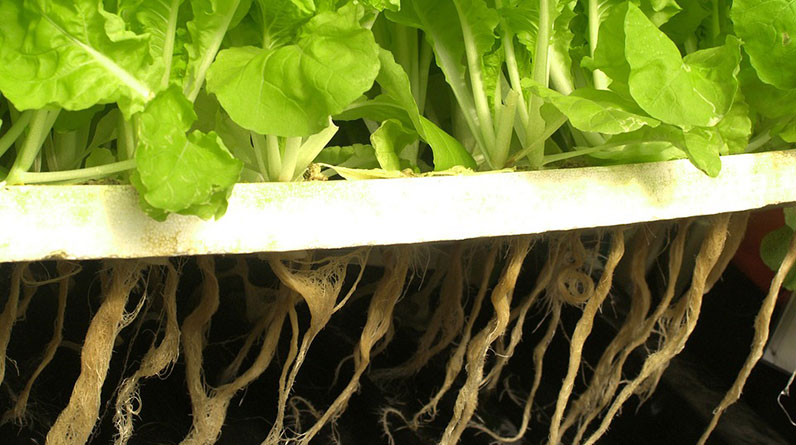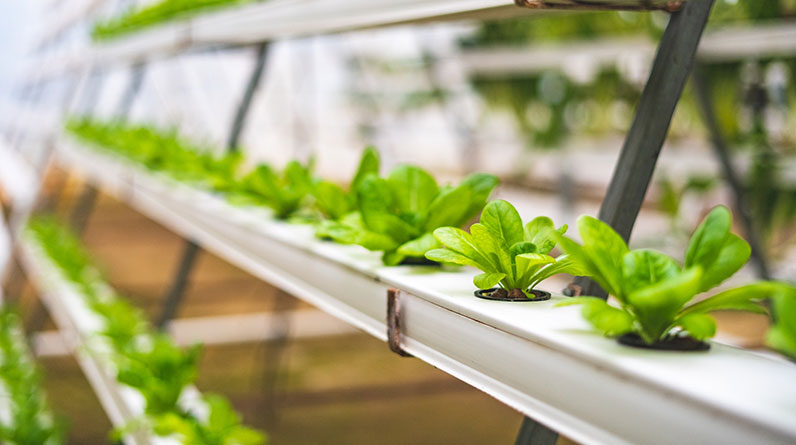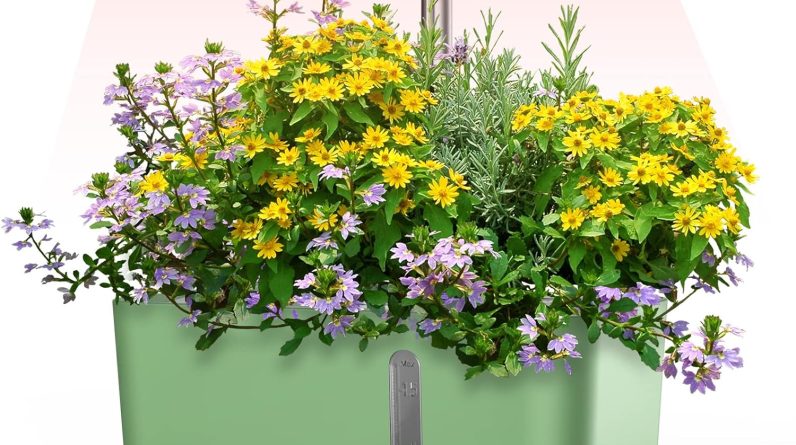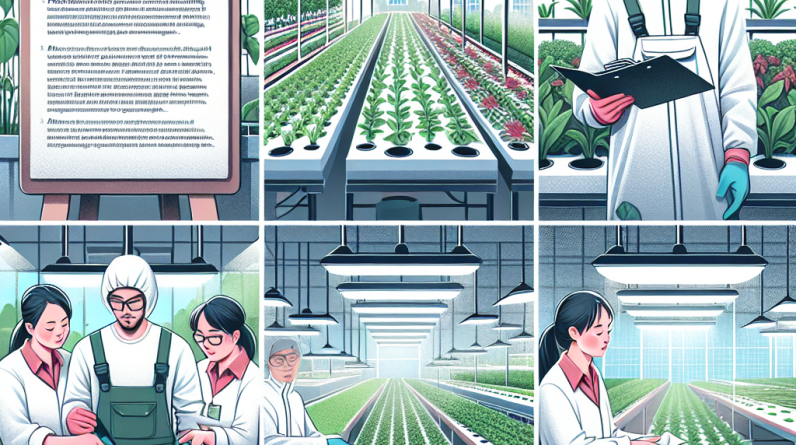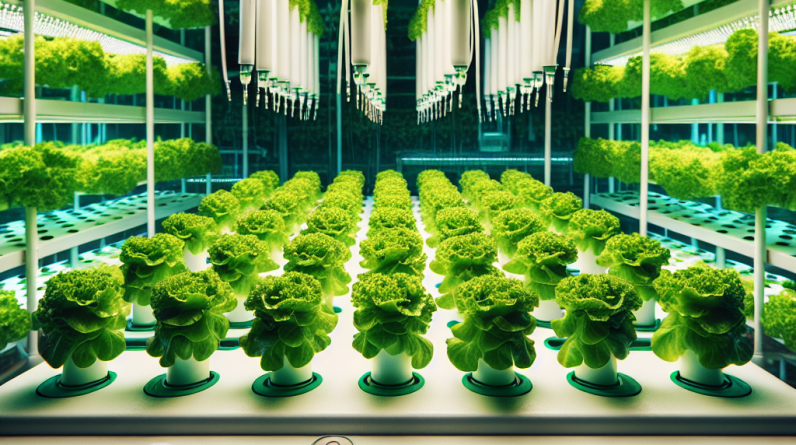
A hydroponic gardening setup allows you to grow plants without soil by using nutrient-rich water solutions. This method is highly efficient and can produce faster growth rates, greater yields, and reduced water usage compared to traditional gardening.
One of the first steps in establishing a hydroponic garden is selecting the right system. There are various types, including deep water culture, nutrient film technique, and aeroponics, each with unique benefits and challenges. Understanding these systems helps you choose one that aligns with your goals, space, and resources.
A common mistake is underestimating the importance of a nutrient solution. Plants require specific nutrients in precise ratios, and failure to balance these can lead to deficiencies or toxicities. Regular monitoring and adjustments are crucial, especially as plants grow and their needs change.
Choosing the Right Hydroponic System
Choosing the right hydroponic system is critical for a successful garden. Options like deep water culture (DWC) and nutrient film technique (NFT) vary in complexity and maintenance needs. DWC is easier for beginners because it involves floating plants on nutrient-rich water, while NFT allows for faster growth through a continuous flow of nutrients.
When selecting a system, consider your space, budget, and desired crop types. DWC works well for leafy greens, while NFT is suitable for herbs and smaller plants. Be aware that each system has unique challenges, such as oxygenation in DWC or ensuring a consistent nutrient flow in NFT.
Additionally, consider the scalability of your chosen system. If you plan to expand your hydroponic setup in the future, choose a system that can accommodate growth without requiring a complete overhaul.
Essential Equipment and Supplies
Setting up a hydroponic garden requires specific equipment and supplies. At a minimum, you will need a reservoir for the nutrient solution, a pump for circulation, and a growth medium such as rock wool or clay pellets. Each component plays a vital role in plant health and growth.
Investing in quality equipment can save you time and frustration in the long run. For example, a reliable pump ensures consistent nutrient delivery, while proper lighting enhances plant growth. You may also need timers for watering and lighting schedules, as well as pH and nutrient testing kits to monitor solution quality.
Don’t overlook the importance of proper ventilation. Adequate airflow prevents mold and helps maintain optimal temperatures, which are crucial for plant health. Consider a small fan or ventilation system to enhance air circulation.
Nutrient Management and Monitoring
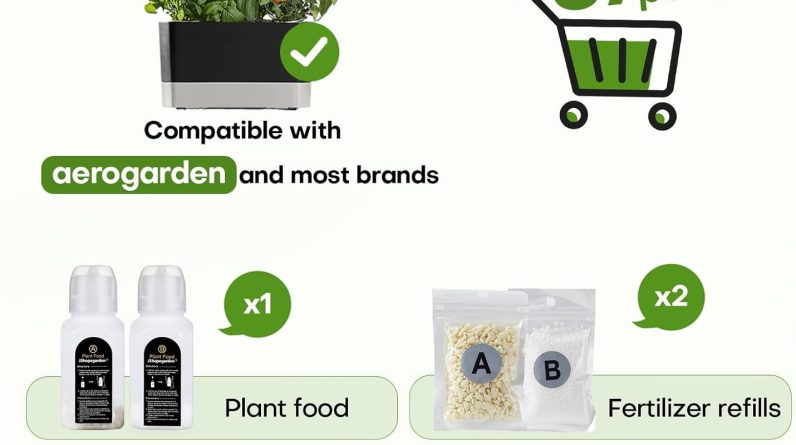
Nutrient management is a cornerstone of successful hydroponic gardening. Plants require a balanced diet of macronutrients (nitrogen, phosphorus, potassium) and micronutrients (iron, magnesium, calcium) to thrive. Using commercial nutrient solutions designed for hydroponics simplifies this process, but monitoring is still essential.
Regularly check the electrical conductivity (EC) and pH levels of your nutrient solution. An EC reading indicates the nutrient concentration, while pH affects nutrient availability. Aim for a pH range of 5.5 to 6.5 for optimal nutrient uptake.
It’s also beneficial to keep a log of your nutrient adjustments and plant responses. This practice helps identify trends and make informed decisions about future nutrient management strategies.
Optimal Lighting Conditions
Lighting is a crucial factor in hydroponic gardening, especially if you are growing indoors. Adequate light not only supports photosynthesis but also influences plant growth rates and yields. LED grow lights are popular for their energy efficiency and spectrum options.
When choosing lighting, consider the type of plants you are growing and their light requirements. Leafy greens generally need less light than fruiting plants, which may require up to 12-16 hours of light per day. Adjust your lighting schedule to mimic natural daylight patterns for the best results.
Monitor your plants for signs of light stress, such as bleaching or stretching. These symptoms indicate that you may need to adjust the light intensity or distance from the plants.
Further Reading
Authoritative Sources
- Hydroponics Guide
hydroponics.comThis resource provides comprehensive information on hydroponic systems, nutrient management, and troubleshooting
- Gardening Know How
gardeningknowhow.comA valuable site for understanding plant care, including specific needs for hydroponically grown plants
Frequently Asked Questions
What is the easiest hydroponic system for beginners?
Deep water culture (DWC) is often recommended for beginners due to its simplicity and straightforward setup.
How often should I change the nutrient solution?
It’s generally advisable to change the nutrient solution every 1-2 weeks to maintain optimal nutrient levels and prevent imbalances.
Can I use tap water for my hydroponic system?
Yes, but you should test the pH and chlorine levels first. Adjustments may be necessary to ensure optimal conditions for plant growth.
What types of plants grow best in hydroponics?
Leafy greens, herbs, and small fruiting plants like strawberries thrive in hydroponic systems due to their shorter growth cycles.
How do I prevent algae growth in my hydroponic system?
To prevent algae, keep the nutrient solution covered to block light and maintain proper nutrient levels to discourage growth.
Conclusion
Setting up a hydroponic gardening system can be a rewarding venture that yields fresh produce year-round. Prioritize selecting the right system and equipment, managing nutrients effectively, and providing adequate lighting. Regular monitoring and adjustments are key to overcoming common pitfalls and ensuring plant health. With careful planning and execution, your hydroponic garden can thrive and provide a sustainable source of food.
Related Content
- The Benefits of Organic Hydroponic Gardening
- Automate Your Hydroponic System for Maximum Efficiency
- The Ultimate Guide to Hydroponic Strawberry Setup (2025): 7 Effective Strategies
- Hydroponics Growing System Indoor Garden Kit Review
- The Ultimate Guide to the 10 Best Hydroponic Growing Containers for 2025