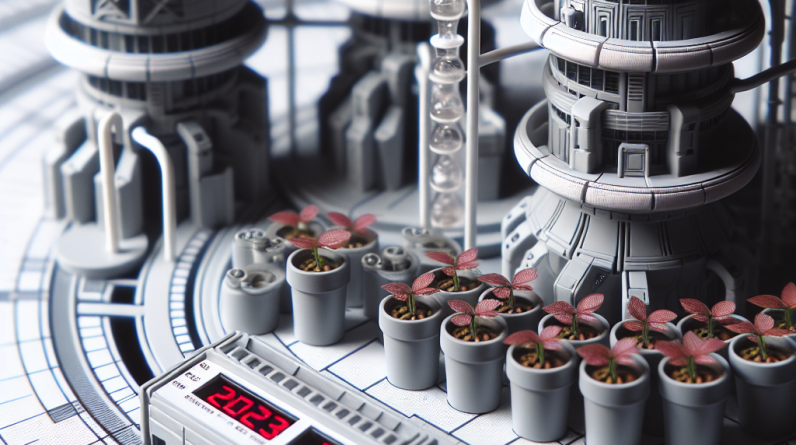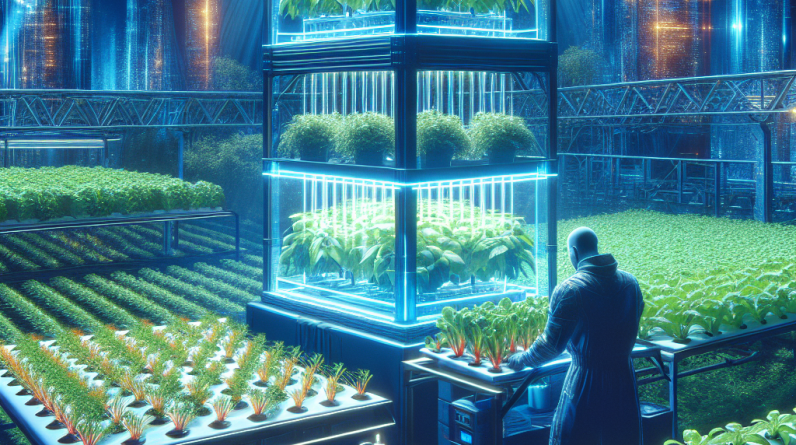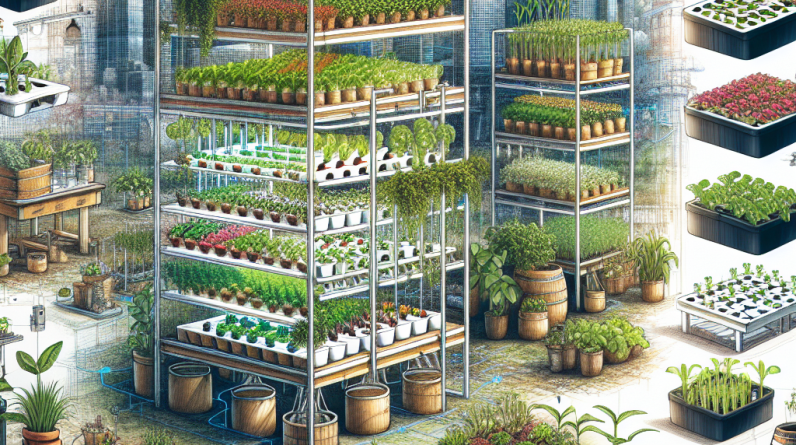
Hydroponic germination techniques involve sprouting seeds in a nutrient-rich water solution instead of soil. This method accelerates growth, allows for precise nutrient control, and minimizes disease risk.
One primary consideration in hydroponic germination is the choice of medium. Rock wool, for example, is a popular choice due to its excellent moisture retention and aeration properties. However, it is essential to monitor pH and nutrient levels closely to avoid issues like nutrient lockout, which can hinder seed development. Additionally, ensuring adequate light exposure is critical; seeds often require specific light wavelengths to trigger germination effectively.
Common mistakes in hydroponic germination include overwatering, which can lead to root rot, and inadequate lighting, which can slow down growth. A balanced approach that prioritizes moisture levels, nutrient concentration, and light is crucial. Understanding these dynamics allows for more successful and efficient germination, leading to healthier plants.
Choosing the Right Medium for Germination
The medium used for germination in hydroponics significantly influences seed sprouting success. Rock wool, coconut coir, and peat pellets are among the most effective mediums. Each has its advantages; for instance, rock wool provides excellent moisture retention and aeration, while coconut coir is more environmentally friendly and sustainable.
When selecting a medium, consider factors such as pH balance and nutrient retention. Rock wool, while effective, requires careful monitoring of pH levels to avoid nutrient lockout. Conversely, coconut coir tends to retain nutrients well but may require additional amendments to optimize its nutrient profile. Prioritizing the right medium will set the foundation for healthy seedling development.
A common oversight is neglecting to pre-soak the medium before planting. Pre-soaking not only hydrates the material but also helps stabilize pH levels, ensuring a better start for seeds. Always test the medium’s pH and nutrient levels before use to maximize germination success.
Optimal Light Conditions for Seed Sprouting
Light plays a crucial role in the germination process. Seeds require specific light wavelengths to stimulate germination effectively. Generally, a spectrum that includes blue light is beneficial as it promotes healthy, compact growth in seedlings.
In hydroponic setups, using LED grow lights can provide the necessary spectrum without overheating the seedlings. Positioning the lights at an appropriate height above the seedlings ensures they receive adequate intensity without causing light burn. Monitoring light duration is also essential; most seeds benefit from around 12-16 hours of light daily during the germination phase.
Failing to provide the right light conditions can lead to leggy seedlings that are weak and prone to disease. Observing your seedlings closely during this phase will help you adjust light intensity and duration as needed, ensuring robust growth. Always keep an eye on the light’s distance from the plants, as too much heat can hinder germination.
Common Mistakes to Avoid in Hydroponic Germination
Hydroponic germination can be tricky, and several common mistakes can thwart success. One major error is overwatering, which can lead to root rot. In hydroponic systems, the roots are submerged in nutrient solutions, making it vital to balance moisture levels.
Additionally, many growers underestimate the importance of cleanliness. Contaminated tools or mediums can introduce pathogens that harm seedlings. Regularly sterilizing equipment and ensuring a clean working environment can significantly reduce these risks. Furthermore, neglecting to monitor nutrient levels can lead to deficiencies or toxicities that stunt growth.
Another frequent oversight is not acclimatizing seedlings to their growing environment. Sudden changes in temperature or humidity can shock young plants. Gradually adjusting conditions will help seedlings adapt and thrive. Staying observant during the germination phase will help mitigate these common pitfalls.
Maintaining Ideal Nutrient Levels
Nutrient management is critical during the germination phase. Hydroponic systems require precise nutrient solutions tailored to the needs of seedlings. A balanced N-P-K (Nitrogen-Phosphorus-Potassium) ratio is vital for healthy root development and overall plant vigor.
Regularly testing the nutrient solution’s pH and electrical conductivity (EC) will ensure that seedlings receive the right balance of nutrients. Young plants are particularly sensitive to nutrient concentration, so adjustments may be necessary based on growth stages. Start with a diluted solution and gradually increase concentration as plants mature.
A common mistake is failing to adjust nutrient levels as seedlings grow. As plants develop, their nutrient needs change, and neglecting this can lead to stunted growth or nutrient burn. Regularly reviewing and adjusting nutrient solutions will promote strong, healthy seedlings that are ready for transplanting.
Further Reading
Authoritative Sources
- Hydroponic Growing
hydroponicgrowing.comThis resource provides comprehensive guides and insights into hydroponic techniques, including germination methods
- Gardener's Supply Company
gardeners.comA trusted source for gardening supplies and techniques, featuring valuable information on hydroponics
- Maximum Yield
maximumyield.comThis site offers expert articles on hydroponic systems and best practices, including seed germination
Frequently Asked Questions
What is the best medium for hydroponic germination?
Rock wool is often considered the best medium due to its excellent moisture retention and aeration properties, but coconut coir is also a sustainable alternative.
How much light do seedlings need during germination?
Seedlings typically require 12-16 hours of light daily during germination, with blue light being particularly effective for promoting healthy growth.
What are the common mistakes in hydroponic germination?
Common mistakes include overwatering, poor cleanliness, and neglecting to monitor nutrient levels, all of which can hinder seedling development.
How do I maintain nutrient levels for seedlings?
Regularly test the nutrient solution’s pH and electrical conductivity, adjusting the nutrient concentrations as seedlings grow to meet their changing needs.
Can I use regular soil nutrients in hydroponics?
No, traditional soil nutrients are not suitable for hydroponics. Hydroponic systems require specific nutrient solutions designed for water-based growth.
Conclusion
Successfully implementing hydroponic germination techniques requires careful attention to medium selection, light conditions, and nutrient management. By avoiding common mistakes and prioritizing a balanced approach to moisture, light, and nutrients, growers can foster healthy seedlings ready for further development. Regular monitoring and adjustments based on plant needs will ensure optimal growth and yield, setting the stage for a thriving hydroponic garden.