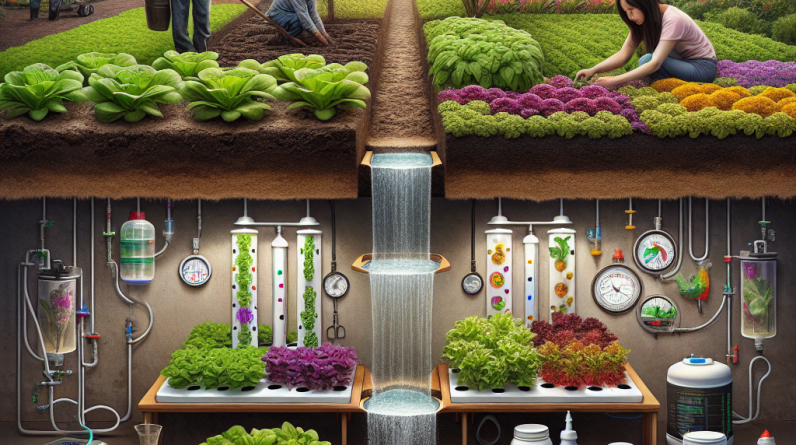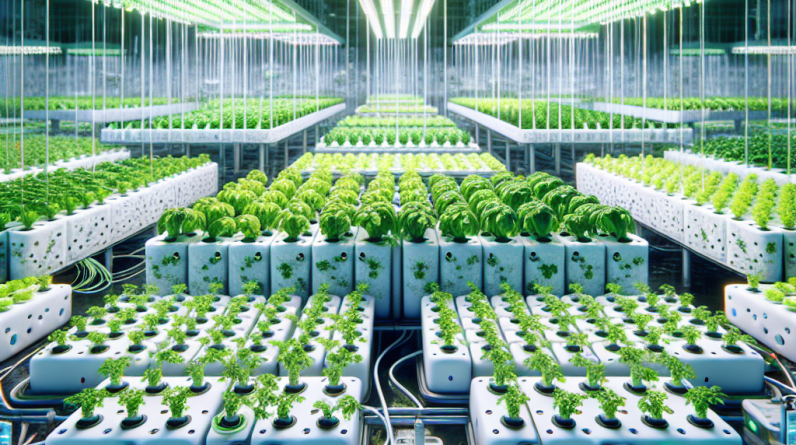
Hydroponic growing techniques involve cultivating plants in a nutrient-rich water solution without soil. This innovative approach allows for faster growth rates, reduced water usage, and the ability to grow in various environments, making it ideal for both home gardeners and commercial operations.
Understanding the various hydroponic systems is crucial for successful cultivation. Techniques such as nutrient film technique (NFT), deep water culture (DWC), and aeroponics each have unique benefits and challenges. For instance, NFT allows for efficient nutrient uptake but requires precise monitoring, while DWC is user-friendly for beginners. Knowing the right system for your space and goals can make a significant difference.
A common mistake among novice hydroponic growers is failing to monitor nutrient levels adequately, leading to nutrient deficiencies or toxicities. It’s essential to regularly test and adjust the nutrient solution to maintain optimal levels for plant growth. Prioritizing this aspect can prevent many issues that may arise during the growing cycle.
Understanding Hydroponic Systems
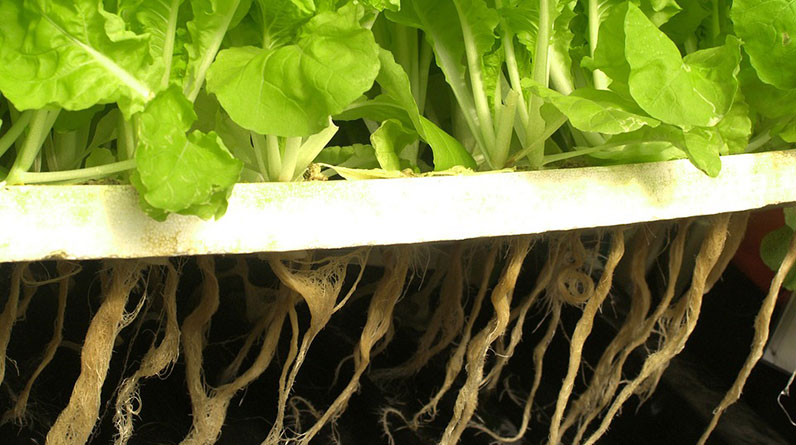
Hydroponic systems can be categorized into several types, including nutrient film technique (NFT), deep water culture (DWC), and aeroponics. NFT involves a thin film of nutrient solution flowing over the roots, providing oxygen and nutrients efficiently. DWC consists of plants suspended in a nutrient-rich solution, allowing for robust root growth. Aeroponics, on the other hand, uses mist to deliver nutrients to plant roots, promoting rapid growth.
Each system has its unique advantages and may suit different growing environments. For instance, NFT is highly efficient in nutrient use but requires a constant flow of water and careful monitoring. In contrast, DWC is easier for beginners and works well for a variety of plants. Choosing the right system hinges on your space, available resources, and personal preferences.
It’s also important to consider the scale of your hydroponic operation. Small-scale setups may benefit from simpler systems like DWC or Kratky method, while larger operations might require more advanced setups like NFT or aeroponics to maximize efficiency and yield.
Nutrient Management in Hydroponics
Nutrient management is critical in hydroponic growing techniques. Plants require a specific balance of macronutrients (nitrogen, phosphorus, potassium) and micronutrients (iron, calcium, magnesium) for optimal growth. These nutrients must be dissolved in water and delivered to the plants in appropriate concentrations.
Regular testing of the nutrient solution is essential to ensure that the plants receive the right amounts. Many growers use pH and electrical conductivity (EC) meters to monitor the solution. Maintaining the ideal pH level (typically between 5.5 and 6.5) is crucial for nutrient uptake. Deviations from this range can lead to nutrient lockout or deficiencies.
Understanding how different plants absorb nutrients at various growth stages can also enhance your hydroponic success. For example, leafy greens may require different nutrient ratios compared to fruiting plants. Tailoring your nutrient solution to the specific needs of your crops can significantly improve yield and quality.
Common Mistakes to Avoid
One of the most significant pitfalls in hydroponic growing is the lack of attention to water quality. Using tap water that contains chlorine or heavy metals can adversely affect plant health. It’s advisable to use filtered or distilled water to prevent these issues.
Another common mistake is over-fertilizing, which can lead to nutrient burn and plant stress. Beginners often assume that more nutrients equate to better growth. However, it’s essential to follow recommended guidelines and adjust based on plant response.
Additionally, neglecting to monitor environmental conditions such as temperature and humidity can stunt plant growth. Hydroponic systems often require specific conditions to thrive. Investing in monitoring equipment can help prevent these issues and ensure a healthy growing environment.
Benefits of Hydroponic Growing
Hydroponic growing techniques offer numerous benefits over traditional soil-based cultivation. One of the most significant advantages is the efficient use of water. Hydroponics typically uses up to 90% less water than conventional farming, making it a more sustainable choice, especially in regions facing water scarcity.
Additionally, hydroponic systems can produce higher yields in smaller spaces. The controlled environment allows for year-round cultivation, enabling growers to avoid seasonal limitations and pests that often plague traditional farming. This can lead to more consistent production and better quality crops.
Furthermore, hydroponics can be tailored to urban environments, allowing for local food production close to consumers. This not only reduces transportation costs but also promotes sustainability in urban settings.
Further Reading
Authoritative Sources
- MedlinePlus
medlineplus.govConsumer-friendly medical and health information from the U.S. National Library of Medicine.
- National Institutes of Health
nih.govResearch-based health information and links to authoritative medical resources.
- Centers for Disease Control and Prevention
cdc.govOfficial public health guidance, prevention resources, and topic-specific recommendations.
- Mayo Clinic
mayoclinic.orgTrusted clinical guidance, symptom explainers, and treatment overviews.
- World Health Organization
who.intGlobal health guidance, fact sheets, and evidence-based public health information.
Frequently Asked Questions
What are the basic types of hydroponic systems?
The basic types include nutrient film technique (NFT), deep water culture (DWC), and aeroponics, each with distinct methods of nutrient delivery and plant support.
How often should I check nutrient levels in hydroponics?
Nutrient levels should be checked at least once a week to ensure optimal growth conditions and prevent deficiencies or toxicities.
Can hydroponics be used for all types of plants?
What are the best crops for hydroponic systems?
While many plants can be grown hydroponically, leafy greens, herbs, and strawberries are often the most successful due to their fast growth rates.
How much space do I need for a hydroponic system?
The space required depends on the system type and the number of plants you want to grow. Small systems can fit on countertops, while larger setups may require dedicated rooms or greenhouses.
What are the startup costs for hydroponic growing?
Startup costs can vary widely based on system type and scale. Basic home systems may start at a few hundred dollars, while commercial setups can range into the thousands.
Conclusion
Hydroponic growing techniques present a viable solution for modern agriculture, offering increased efficiency and sustainability. By understanding the different systems, managing nutrients effectively, and avoiding common pitfalls, growers can optimize their success. As interest in local food production and sustainable practices continues to rise, hydroponics offers a practical pathway to meet these demands. For those considering this method, starting with a well-researched plan and a commitment to ongoing learning will pave the way for fruitful cultivation.