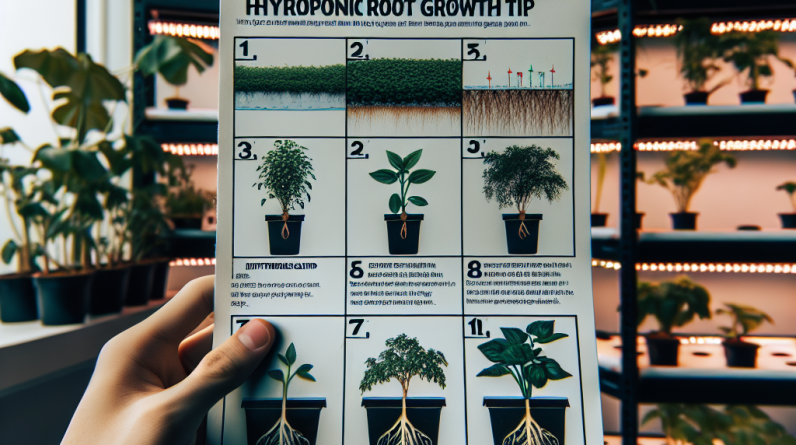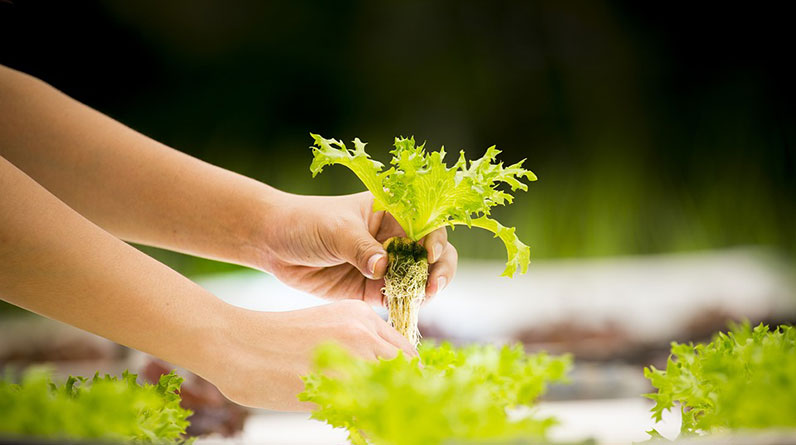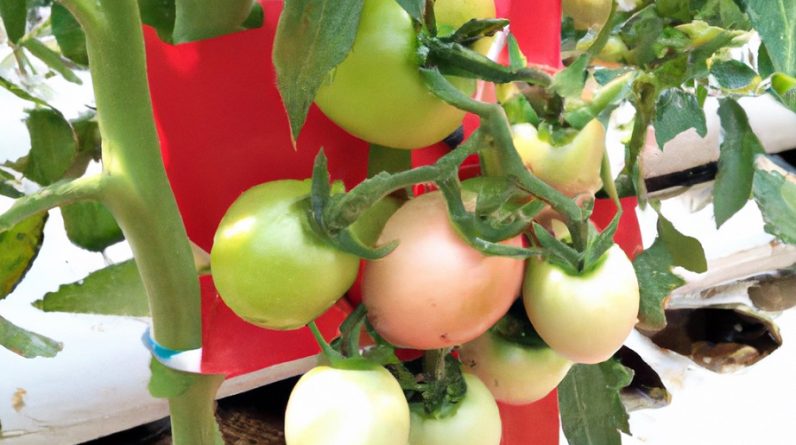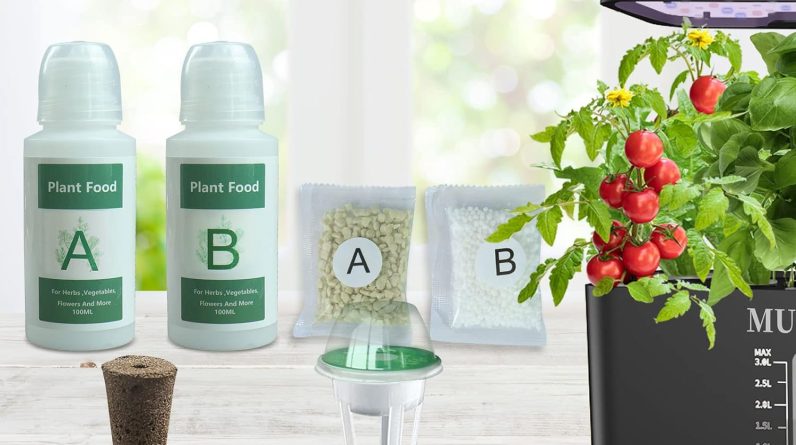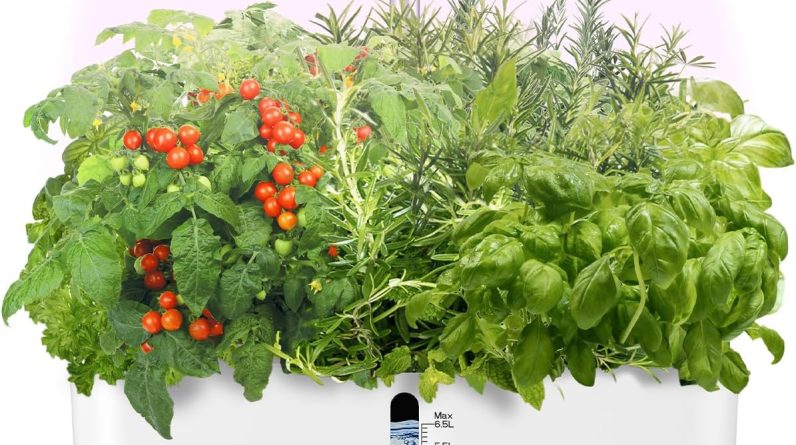
Hydroponic growing tips focus on optimizing plant growth without soil, using nutrient-rich water solutions. Key strategies include maintaining proper pH levels, ensuring adequate light exposure, and choosing the right nutrient mix.
Hydroponic systems can yield faster growth and higher productivity compared to traditional soil gardening. However, many beginners face challenges such as nutrient imbalances, inadequate lighting, and pH fluctuations. Prioritizing these aspects from the start can prevent common pitfalls and lead to a more successful hydroponic garden.
It’s also crucial to select the right hydroponic system that fits your needs, whether it’s a deep water culture, nutrient film technique, or aeroponics. Each system has its own set of requirements and benefits, which can affect the overall growth and health of your plants.
Understanding pH and Nutrient Balance
Maintaining the correct pH level is crucial in hydroponic gardening. Most plants thrive in a pH range of 5.5 to 6.5. If the pH is too high or too low, nutrient absorption can be negatively affected, leading to deficiencies or toxicities.
Regularly testing your water and adjusting the pH with appropriate solutions can prevent these issues. Additionally, understanding the specific nutrient requirements of the plants you are growing is essential. Each plant type may have different nutritional needs, and balancing these can enhance growth and yield.
Common mistakes include neglecting regular pH checks and using unsuitable nutrient solutions. Start with a reliable pH meter and a nutrient solution designed for hydroponics to ensure your plants are receiving what they need.
Lighting Requirements for Hydroponics
Light is a vital component in hydroponic growing, as it directly impacts photosynthesis and plant health. Different plants have varying light requirements; for instance, leafy greens usually need less light compared to fruiting plants.
LED grow lights are a popular choice among hydroponic gardeners due to their energy efficiency and spectrum options. Positioning lights correctly to ensure uniform coverage is also critical. Plants should receive 12-16 hours of light per day, depending on their growth stage.
Many gardeners make the error of using inadequate lighting or placing lights too far from plants. Ensure that your light source is appropriate for the type of plants you are growing and adjust the distance based on their growth stage.
Choosing the Right Hydroponic System
There are several hydroponic systems to choose from, including deep water culture, nutrient film technique, and aeroponics. Each system has unique advantages and challenges, influencing growth rates and maintenance requirements.
For beginners, deep water culture is often recommended due to its simplicity and cost-effectiveness. Nutrient film technique requires more precision and monitoring, while aeroponics can produce faster growth but may be more complex to manage.
Choosing the right system depends on your space, budget, and the types of plants you wish to grow. Many new growers underestimate the commitment involved with more complex systems, so it’s wise to start simple and scale up as you gain experience.
Common Mistakes in Hydroponic Growing
Even experienced gardeners can make mistakes in hydroponics. Some of the most common issues include overwatering, nutrient imbalances, and insufficient light exposure. Overwatering can lead to root rot, while nutrient imbalances can stunt growth or cause plant diseases.
Ensuring proper water management and regularly monitoring nutrient levels are essential practices. Maintaining a schedule for nutrient changes and being attentive to plant responses can help mitigate these risks.
Many growers also overlook the importance of cleanliness in their systems. Algae growth and pathogens can thrive in a hydroponic environment, so regular cleaning and maintenance are necessary to keep your garden healthy.
Further Reading
Authoritative Sources
- Hydroponics.org
hydroponics.orgA comprehensive resource for hydroponic techniques and research
- eXtension
extension.orgProvides research-based information on hydroponics and gardening
- Planet Natural
planetnatural.comOffers articles and resources on sustainable gardening practices
- Australian Government Department of Agriculture
agriculture.gov.auInformation on hydroponic regulations and research in Australia
Frequently Asked Questions
What is the best pH level for hydroponic systems?
The optimal pH level for most hydroponic plants is between 5.5 and 6.5.
How often should I change the nutrient solution?
It’s recommended to change the nutrient solution every 1-2 weeks, depending on plant uptake.
Can I use tap water for hydroponics?
Yes, but ensure to test the pH and chlorine levels before use.
What type of lights are best for hydroponic growing?
LED grow lights are often the best choice due to their efficiency and spectrum options.
How do I prevent algae growth in my hydroponic system?
Keep your system clean, minimize light exposure to the nutrient solution, and maintain proper nutrient levels.