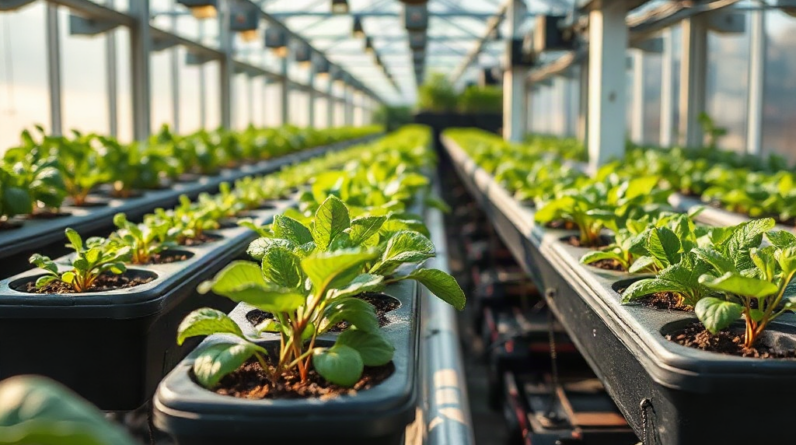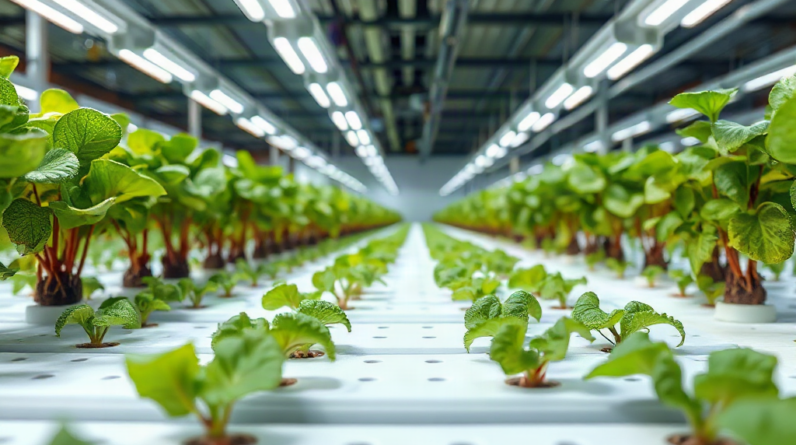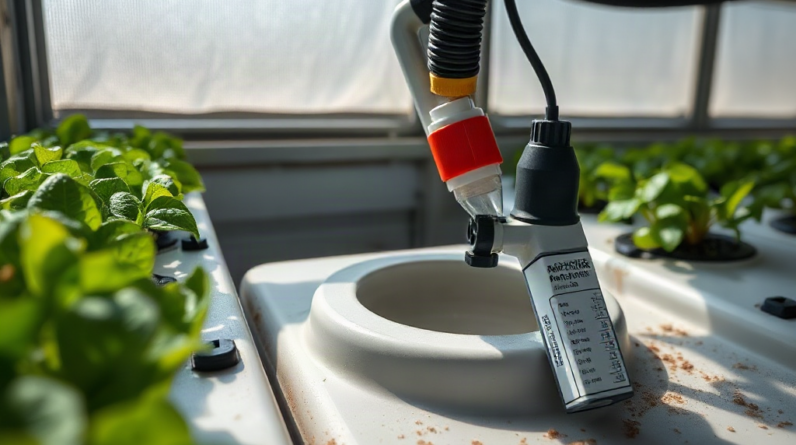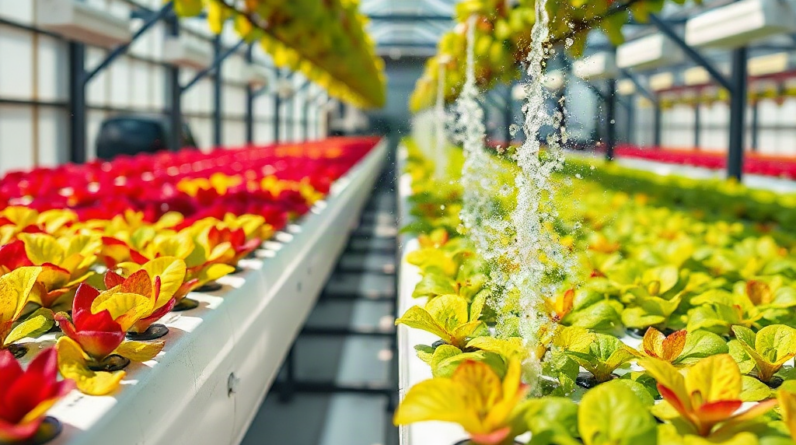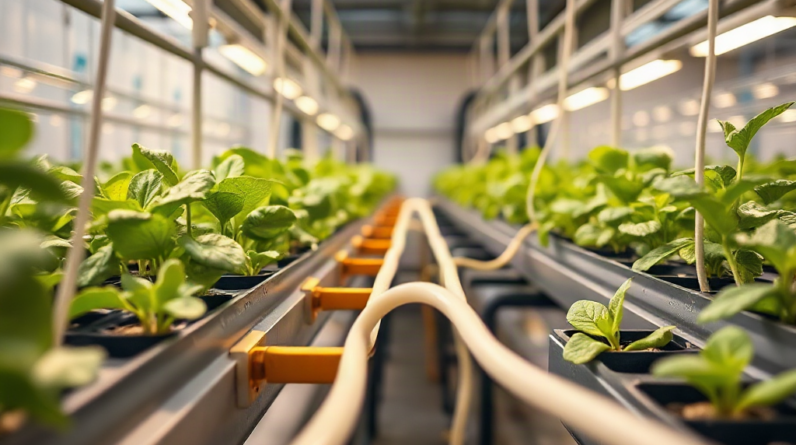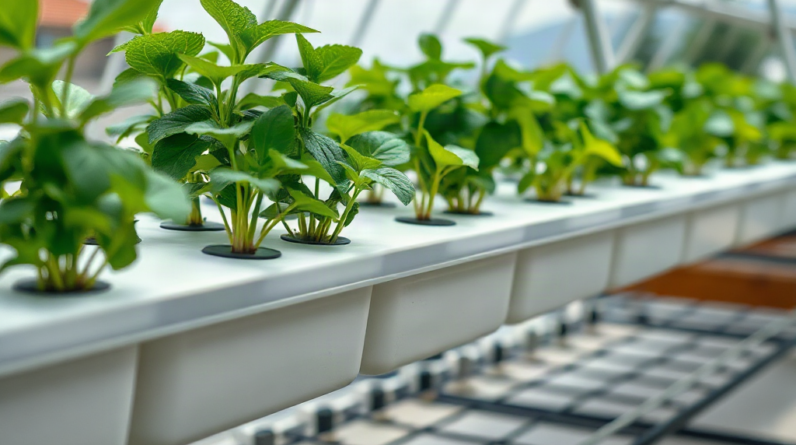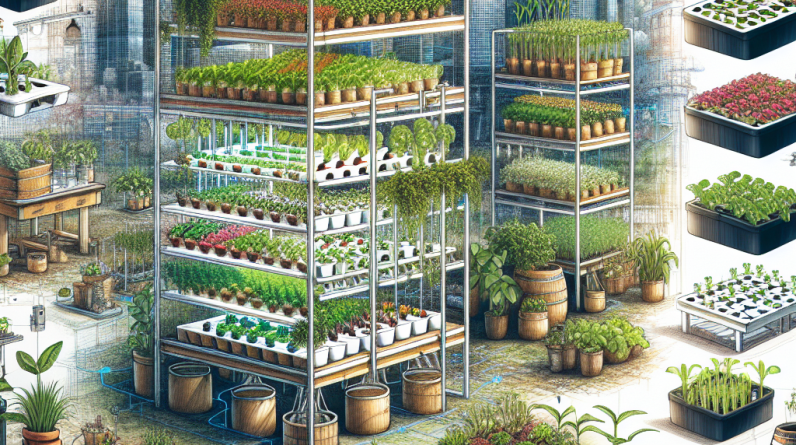

A hydroponic planter system is an innovative approach to growing plants without the use of soil, relying instead on nutrient-rich water solutions. This method allows for increased efficiency in plant growth, as it provides direct access to essential nutrients, leading to faster growth rates and potentially higher yields. Hydroponic systems can be tailored to fit various environments, making them suitable for both indoor and outdoor gardening.
When implementing a hydroponic planter system, it’s crucial to understand the various types available, such as deep water culture, nutrient film technique, and aeroponics, each offering unique advantages and challenges. Selecting the right system depends on factors like available space, budget, and specific plant types you wish to cultivate. Mistakes often arise from inadequate research or poor planning, which can lead to system failures or suboptimal plant performance.
Types of Hydroponic Systems
There are several types of hydroponic systems, each catering to different gardening needs and environments. The most common types include deep water culture (DWC), nutrient film technique (NFT), and aeroponics. DWC involves suspending plant roots in a nutrient solution, whereas NFT circulates a thin film of nutrient-rich water over the roots. Aeroponics, on the other hand, mist the roots with nutrients, promoting rapid growth.
Choosing the right system is essential for success. For example, DWC systems are often favored for beginners due to their simplicity and effectiveness. In contrast, NFT systems require more careful monitoring and management to prevent root rot. Understanding the advantages and limitations of each system will help you select the best fit for your gardening goals.
Essential Components for Hydroponic Planter Systems
To create an effective hydroponic planter system, several critical components must be included. These components typically consist of a reservoir, grow tray, pump, air stone, and nutrient solution. The reservoir holds the nutrient solution, while the grow tray supports the plants. The pump circulates the nutrient solution, and the air stone ensures adequate oxygenation for the roots.
Investing in quality components is vital, as lower-quality materials can lead to system failures. Additionally, proper maintenance and regular monitoring of nutrient levels, pH, and oxygenation will ensure that plants thrive. Keeping a close eye on these factors can prevent common issues such as nutrient deficiencies or root diseases.
Setting Up Your Hydroponic System
Setting up a hydroponic planter system requires careful planning and execution. Begin by selecting a suitable location with adequate light exposure, whether natural or artificial. Next, assemble the system components according to the chosen hydroponic type, ensuring that all connections are secure and functional.
Once the system is assembled, fill the reservoir with nutrient solution and test the pH levels to ensure they are within the optimal range for your plants. After planting, monitor the system regularly to adjust nutrient levels and check for any signs of stress or disease. Proper setup and ongoing management are crucial for achieving the best possible results.
Common Mistakes to Avoid
Several common mistakes can hinder the success of a hydroponic planter system. One of the primary errors is neglecting to monitor nutrient levels and pH, which can lead to deficiencies or toxicities. Overwatering or underwatering can also be problematic, as plants require a delicate balance of moisture and oxygen.
Additionally, many beginners underestimate the importance of light. Plants need adequate light for photosynthesis, and failing to provide the right intensity can stunt growth. By being aware of these pitfalls and regularly monitoring the system, you can significantly enhance your chances of a successful hydroponic garden.
For more in-depth information on hydroponic planter systems, consider exploring resources from reputable gardening associations or educational institutions. They provide valuable insights and research findings that can further enhance your understanding and implementation of hydroponic gardening.
Frequently Asked Questions
What is a hydroponic planter system?
A hydroponic planter system is a method of growing plants without soil, using nutrient-rich water solutions instead.
How do I set up a hydroponic system?
To set up a hydroponic system, choose a location, assemble the necessary components, fill the reservoir with nutrient solution, and monitor conditions regularly.
What are the common types of hydroponic systems?
The common types of hydroponic systems include deep water culture, nutrient film technique, and aeroponics.
What mistakes should I avoid in hydroponic gardening?
Common mistakes include neglecting nutrient monitoring, over or underwatering, and inadequate lighting.
How often should I check my hydroponic system?
It’s advisable to check your hydroponic system daily for nutrient levels, pH, and plant health to ensure optimal growth conditions.
Further Reading
Authoritative Sources
- Hydroponic Growing System: The Ultimate Guide
hydroponicfarming.coThe key to successful hydroponic gardening is ensuring that the plants receive the right amount of water, oxygen, and nutrients. This can be ...
- Step-by-Step Guide to Setting Up a Hydroponic Rack System
opticlimatefarm.com1. Rack System: Choose a rack that is sturdy and made of materials resistant to water. · 2. Growing Trays: Purchase hydroponic grow trays that ...
- The Hydroponics Manual: Hydroponic Systems
1-hydroponics.co.ukThe nutrient solutionis the basis of all hydroponics, it is the most important thing for you to come to grips with and it is the key to your success.
- Hydroponics 101 | How To Grow
h2gsupply.comThese basics include understanding nutrients, mixing the nutrients, testing your water Ph, growing media, and how to maintain the system during ...
Conclusion
In conclusion, a hydroponic planter system offers a unique and efficient way to grow plants without soil, utilizing nutrient-rich water. Understanding the various systems, essential components, and common pitfalls is crucial for success. By prioritizing careful setup and regular monitoring, you can maximize your yield and enjoy the benefits of hydroponic gardening. Take the time to research and select the best system for your needs, and you will be well on your way to a thriving garden.