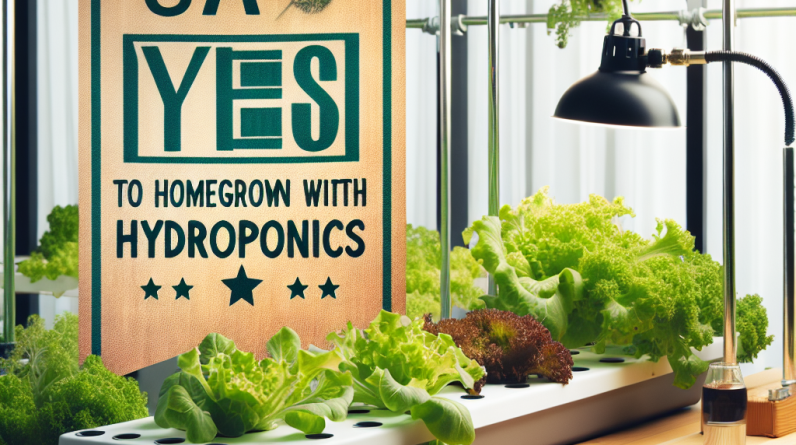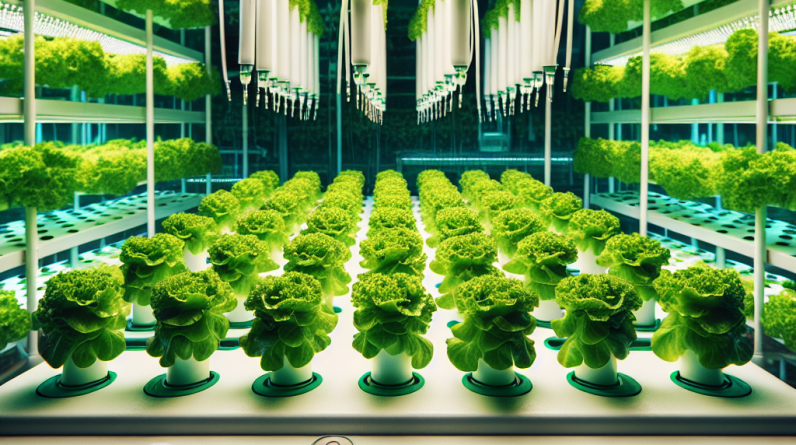
Hydroponic seed starting involves germinating seeds in a nutrient-rich water solution rather than soil. This method promotes faster growth and healthier plants by providing direct access to essential nutrients, oxygen, and moisture.
The advantages of hydroponic seed starting include reduced risk of soil-borne diseases, more efficient nutrient uptake, and the ability to control environmental factors closely. However, it’s essential to recognize common pitfalls, such as overwatering or inadequate light, which can hinder seedling development. Prioritizing the right conditions—such as temperature, light intensity, and nutrient balance—can greatly influence the success of your hydroponic setup.
One common mistake is assuming that any seed variety will thrive in a hydroponic system. Not all plants are suitable for hydroponic growing, and selecting the right seeds is crucial. Additionally, many gardeners overlook the importance of starting with clean equipment and sterile growing media, which can prevent diseases and promote healthy growth.
Choosing the Right Seeds for Hydroponic Systems
When starting seeds hydroponically, it’s vital to select varieties that are well-suited for this method. Leafy greens like lettuce, spinach, and herbs such as basil and cilantro are excellent candidates due to their quick germination and growth rates. Additionally, many vegetables, including tomatoes and peppers, can also be successfully started in hydroponic systems. However, certain plants that require extensive root systems or longer growing periods may not perform well.
In selecting seeds, consider their growth habits and the space you have available. Fast-growing varieties are generally more forgiving and can provide quicker results, allowing you to adjust your methods as necessary. Be cautious of hybrid seeds, as they might not always produce consistent results in hydroponic environments.
Moreover, it’s crucial to source seeds from reputable suppliers to ensure quality and germination rates. Seeds that are old or improperly stored may have reduced viability, leading to poor germination outcomes. Always check the packaging for the planting date and choose seeds that are within their optimal usage period.
Essential Equipment for Hydroponic Seed Starting
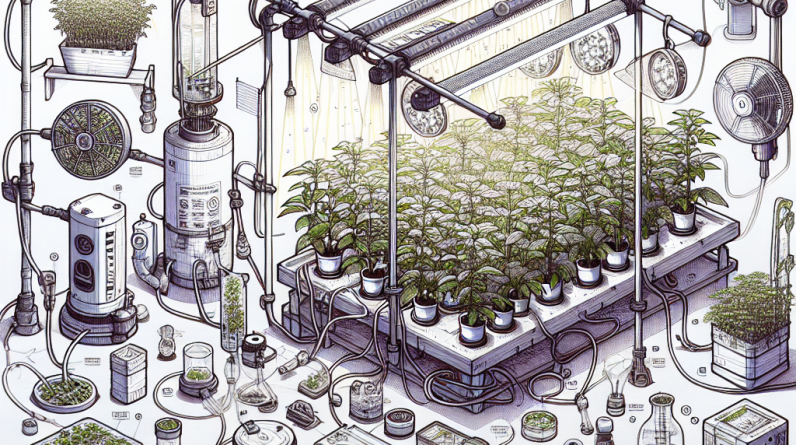
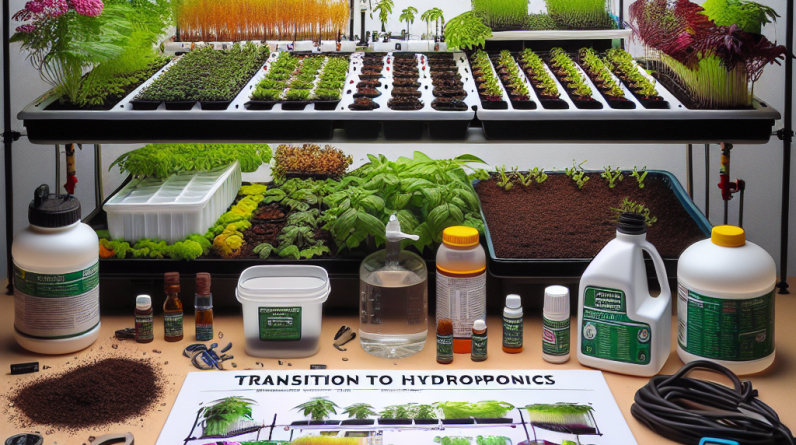
Setting up a hydroponic seed starting system requires specific equipment to ensure success. At a minimum, you will need a seed tray, a high-quality growing medium, a nutrient solution, and a light source. Seed trays should have drainage holes to prevent waterlogging, which can lead to root rot.
For the growing medium, options like rock wool, coconut coir, or peat pellets work well to support seedlings while allowing sufficient drainage and aeration. Hydroponic nutrient solutions are essential for providing the necessary minerals and nutrients seedlings need for healthy growth. These solutions should be mixed according to the manufacturer’s instructions to achieve the correct concentration.
Lighting is another critical factor in hydroponic seed starting. If natural light is insufficient, consider using grow lights that provide the right spectrum for plant growth. LED grow lights are energy-efficient and effective for promoting strong seedling development. Position the lights close to the seedlings to prevent them from becoming leggy.
Optimal Conditions for Germination
For successful hydroponic seed starting, maintaining optimal conditions is key. Most seeds germinate best in temperatures between 70°F to 75°F (21°C to 24°C). Using a heating mat can help maintain consistent warmth, especially in cooler environments. Additionally, humidity plays a significant role; keeping humidity levels around 70% during germination can help seeds absorb moisture effectively.
Light is another critical factor. While seeds do not need light to germinate, once they sprout, they require adequate light to grow strong. Depending on the plant species, seedlings typically need 12-16 hours of light per day. Monitoring pH levels in the nutrient solution is also essential; a pH range of 5.5 to 6.5 is ideal for most seedlings.
Furthermore, regularly checking moisture levels and ensuring proper air circulation can prevent mold and mildew, which are common issues in hydroponic setups. Avoid overwatering, as this can suffocate roots and lead to damping-off disease.
Common Mistakes in Hydroponic Seed Starting
Even with the best intentions, beginners can fall into several traps when starting seeds hydroponically. One frequent mistake is not acclimatizing seedlings to the outdoor environment before transplanting them. Sudden exposure to outdoor conditions can shock young plants, leading to stunted growth or death.
Another common issue is neglecting to monitor nutrient levels. Over-fertilization can harm seedlings, causing nutrient burn, while under-fertilization can lead to deficiencies that stunt growth. Regularly testing the nutrient solution and adjusting as needed is critical for healthy seedlings.
Lastly, many new hydroponic gardeners underestimate the importance of sanitation. Using contaminated tools or containers can introduce pathogens that harm seedlings. Always clean and sterilize equipment before use to reduce this risk. Keeping a clean environment will significantly enhance the likelihood of successful seed starting.
Further Reading
For more in-depth information on hydroponic seed starting, consider exploring the following resources:
Authoritative Sources
- Hydroponics Grower
hydroponicsgrower.comThis site offers a wealth of articles on hydroponic gardening techniques and best practices
- Vegetable Gardener
vegetablegardener.comA comprehensive resource for vegetable gardening, including hydroponic methods and troubleshooting tips
- Gardening Know How
gardeningknowhow.comProvides practical advice on various gardening topics, including hydroponic seed starting
- Purdue University Horticulture
hort.purdue.eduOffers research-based information on horticulture practices, including hydroponics
Frequently Asked Questions
What is hydroponic seed starting?
Hydroponic seed starting is the process of germinating seeds in a nutrient-rich water solution instead of soil, allowing for faster growth and healthier plants.
What types of seeds are best for hydroponic systems?
Leafy greens, herbs, and fast-growing vegetables like tomatoes and peppers are ideal for hydroponic seed starting.
How do I maintain optimal conditions for seed germination?
Maintain temperatures between 70°F and 75°F, provide adequate humidity, and ensure consistent light exposure for 12-16 hours daily.
What common mistakes should I avoid when starting seeds hydroponically?
Avoid overwatering, neglecting nutrient levels, and failing to acclimatize seedlings before transplanting outdoors.
How can I prevent diseases in my hydroponic system?
Keep your equipment clean, sterilize tools, and monitor moisture levels to prevent mold and mildew.
Conclusion
All in all, hydroponic seed starting offers a unique advantage for gardeners looking to produce robust seedlings quickly and efficiently. By selecting the right seeds, maintaining optimal conditions, and avoiding common pitfalls, you can significantly enhance your success rates. Prioritize cleanliness and proper monitoring of nutrients and environmental factors to create a thriving hydroponic garden. As you gain experience, you will refine your methods and discover the best practices that work for your specific setup.