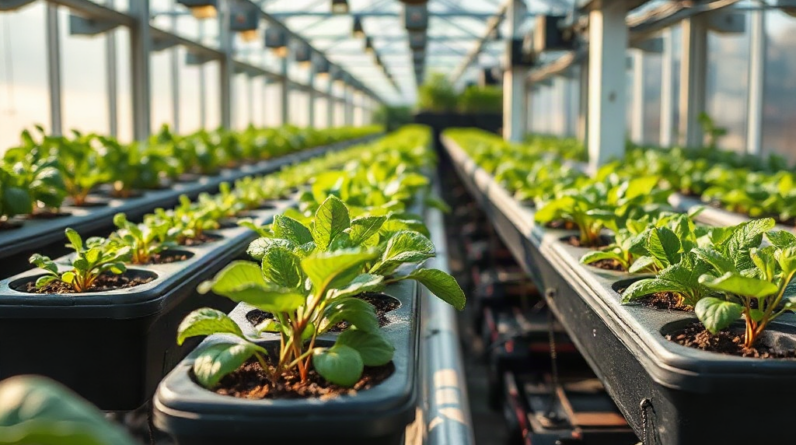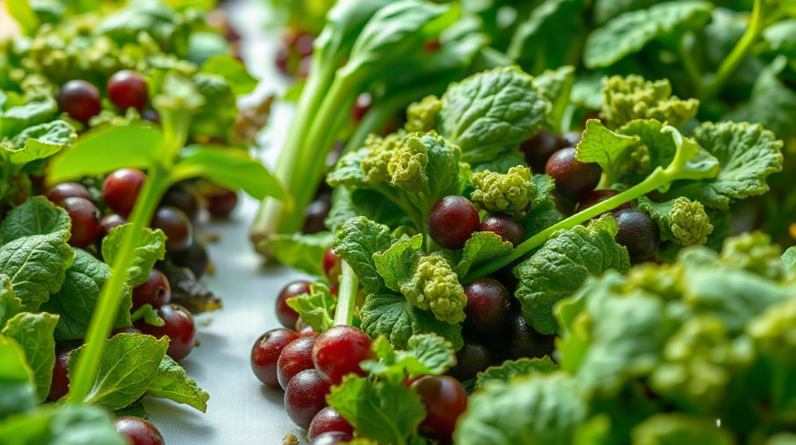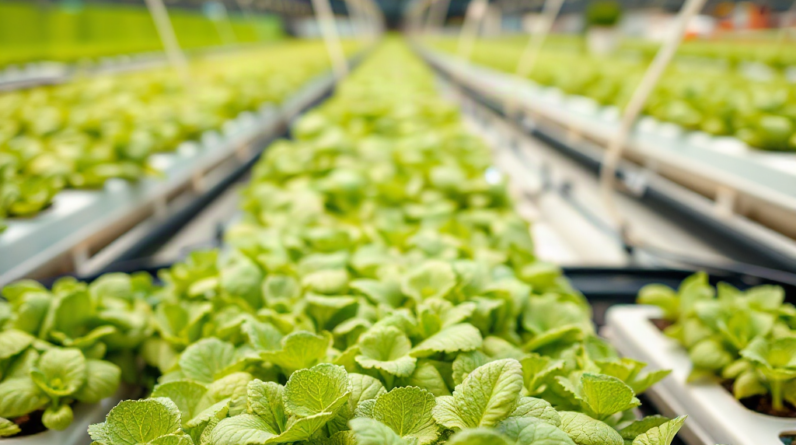
Hydroponic vegetables labeled pesticide free are produce advertised as grown without certain synthetic or conventional pesticide applications, but the phrase alone does not prove organic certification, zero chemical exposure, or safer handling. Shoppers should inspect the package for a defined claim, producer contact information, certification details when offered, and instructions for washing and refrigeration. Ask whether the claim applies to the entire growing cycle, including seeds, propagation, and post-harvest treatment. Indoor production may reduce some pest pressure, yet growers can still face aphids, whiteflies, algae, or disease and may use biological controls or approved treatments. A clear production record is more meaningful than a vague shelf label.
What “Pesticide Free” Means on Hydroponic Produce
“Pesticide free” is not a single, universal production standard. On a package of lettuce, basil, tomatoes, or microgreens, the wording may describe the grower’s stated practices, a retailer’s marketing language, or a narrower promise such as no synthetic pesticides used during production. The useful question is not whether the phrase sounds reassuring; it is what the producer means by it and how that meaning is documented.
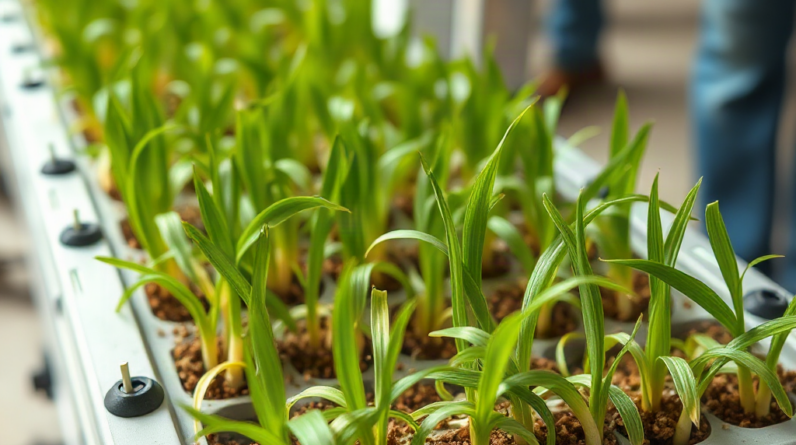
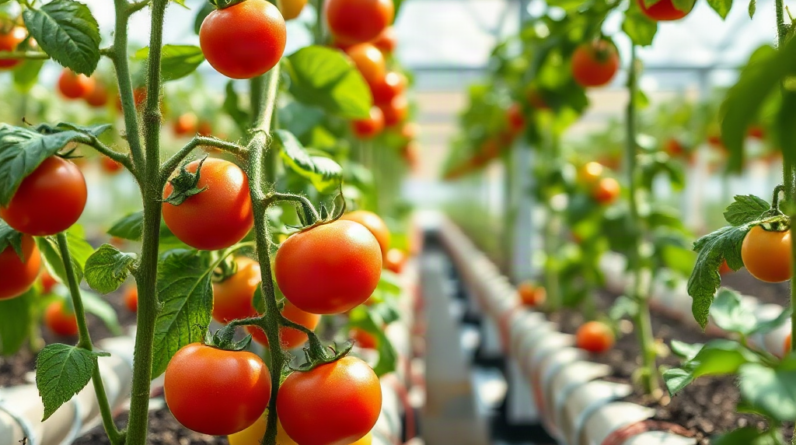
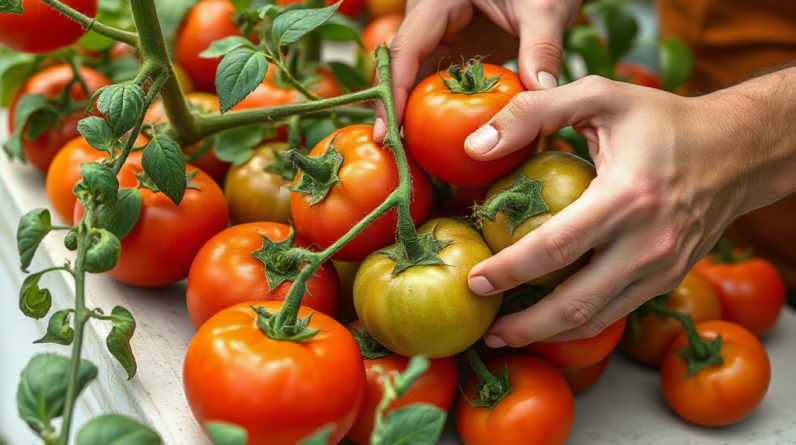
Hydroponic cultivation replaces field soil with a water-based root environment, but that change does not automatically determine pesticide use. Roots may receive a carefully balanced nutrient solution while leaves remain exposed to insects, fungal spores, dust, and human handling. A clean indoor room can reduce exposure to some outdoor pests, whereas a greenhouse may still need active monitoring. Crop type also matters: dense lettuce can hide insects in leaf folds, while a tall tomato plant creates a larger canopy and longer production window.
The phrase should also be separated from “organic.” Organic certification has defined requirements covering production inputs, records, handling, and inspection. A product labeled pesticide free may not meet those requirements, and an organically managed crop is not necessarily free of every substance used in agriculture. Neither label should be stretched into a guarantee of superior nutrition or complete freedom from contamination.
Consider two cartons of living lettuce. One says “grown without synthetic pesticides” and identifies the farm; the other says only “pesticide free” with no explanation. The first gives a shopper a clearer claim to evaluate, even though it still does not answer every question. A smart reader should look for the scope of the promise, whether it covers post-harvest treatments, and whether the producer describes pest-control methods elsewhere. The label is a starting point, not a substitute for traceability.
Readers comparing production claims can also use Hydroponic vegetables labeled pesticide free as a reference point: the central issue is the evidence behind the wording, not the growing method alone.
How Growers Avoid and Manage Pest Problems
A pesticide-free claim usually depends on prevention, monitoring, sanitation, and rapid response. Growers may screen incoming plants, clean tools between crop areas, control weeds around a greenhouse, manage humidity, and inspect leaves on a schedule. These steps reduce the chance that a small pest introduction becomes a crop-wide problem. They do not make the growing space biologically sterile.
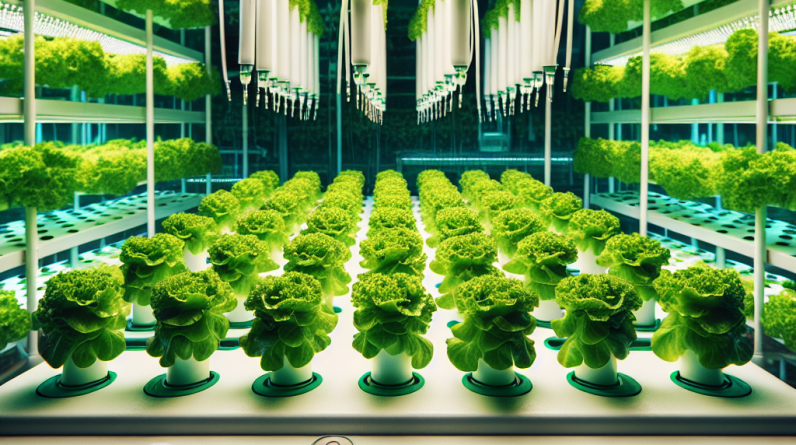
Hydroponic systems can make certain controls easier to organize. Plants are often arranged in rows or channels, irrigation is delivered to the root zone, and the growing environment can be adjusted more precisely than an open field. Those advantages may support early detection. They can also create concentrated risk: one contaminated tray, shared tool, or circulation fan may move insects or spores through a densely planted room.
Biological control is one possible alternative to conventional pesticide spraying. Beneficial insects or mites may target particular pests, while microbial products may be used under a grower’s chosen production standard. Physical measures such as insect screening, sticky monitoring cards, pruning, and removal of affected plants are other options. Each method has limits. Beneficial organisms require suitable conditions, removal sacrifices plants, and a treatment permitted under one labeling program may not fit another claim.
A basil producer, for example, may notice a few aphids during a routine inspection. Isolating the tray and removing affected leaves is a different response from waiting until insects spread across the room. By contrast, a grower producing tomatoes for months may face repeated pest pressure and need a documented integrated pest-management plan. The absence of routine spraying does not mean the crop receives no pest management; it means the management approach needs closer scrutiny.
The common mistake is assuming that “pesticide free” means “pest free.” A few harmless insects, biological controls, or a rejected batch can be part of a credible low-input operation. Buyers should be more concerned with whether the producer detects problems, records interventions, and prevents affected produce from entering saleable inventory. Those controls matter more than an attractive claim printed in large type.
How to Judge a Package Label and Producer Claim
A reliable label makes the claim specific enough to test. Look for wording that identifies the production period, names the farm or company, and provides a website, lot code, or customer-service contact. “No synthetic pesticides used” communicates something narrower and clearer than an unqualified promise that the vegetables are free of all pesticides. If certification is mentioned, the label should identify the certifier or program rather than relying on an unexplained logo.
Packaging should not be judged by one word in isolation. “Non-GMO,” “organic,” “pesticide free,” and “grown without chemical pesticides” address different questions, and a product may carry one claim without satisfying another. A hydroponic label may also emphasize local production, indoor growing, or reduced water use. Those attributes can be relevant, but they do not verify how pests were managed or whether the crop was handled safely after harvest.
Ask the producer four focused questions when the label leaves room for doubt:
- Does the claim cover seeds, seedlings, the full growing cycle, and post-harvest handling?
- What pest-management methods are used if insects or disease appear?
- Is the claim independently certified, or is it the farm’s own production statement?
- How are harvest lots tracked if a quality or food-safety problem is found?
Independent certification can add oversight, but it does not eliminate the need to read the exact standard. A small farm may provide unusually detailed records without holding certification, while a certified product still requires normal washing and refrigeration. Cost, scale, and market access influence whether a grower pursues certification, so certification is useful evidence rather than the only possible sign of responsible production.
Compare a farmers’ market conversation with a supermarket package. At a market, the grower may explain that sticky cards are used for monitoring and affected plants are discarded. In a store, the package may offer only a short claim, making the company website or customer-service channel more important. If no one can explain the claim’s scope, treat it as limited marketing information rather than proof of a broad guarantee. The same careful reading applies when evaluating pesticide-free hydroponic vegetables sold as living plants, cut greens, herbs, or fruiting crops.
Washing, Storage, and Food-Safety Decisions
A pesticide-free label does not remove ordinary food-safety responsibilities. Produce can pick up microbes from water, hands, tools, packaging surfaces, or contact with other foods after harvest. Hydroponic production may avoid soil splash, but it does not prevent contamination during cutting, packing, transport, or display. Washing is therefore relevant even when the grower reports no pesticide application.
Wash produce under clean, running water before eating or cutting it, unless the package specifically identifies it as ready-to-eat and gives different handling instructions. Do not use soap, bleach, or household disinfectant on vegetables. Rub firm items gently and separate leaves where practical; delicate herbs and greens need careful handling so washing does not create bruising that speeds spoilage. Washing cannot reliably remove every contaminant, so it should accompany clean hands, clean utensils, and appropriate refrigeration.
Storage affects both quality and risk. Keep leafy greens and herbs cold, avoid leaving them at room temperature for extended periods, and follow the use-by guidance supplied by the producer. A living lettuce with roots attached may stay crisp longer than cut lettuce, but its roots, container, and nutrient medium still need to remain clean. Do not place a leaking nutrient cup or muddy-looking root mass directly beside ready-to-eat food.
“No pesticide” and “safe to eat” describe different dimensions of production. A crop can have a carefully controlled input program yet be mishandled after harvest; another can be properly washed and chilled while its label remains vague. For people who are pregnant, immunocompromised, older, or caring for young children, following public food-safety guidance matters more than relying on a marketing phrase. The label may inform a preference, but it should not replace safer handling habits.
One frequent error is washing vegetables immediately and storing them wet in a sealed container. Excess moisture can accelerate decay, especially in tender greens. If washing ahead of time, drain and dry them thoroughly, then refrigerate them in a clean container that does not trap excessive condensation. Discard produce with unusual odor, slime, or visible mold rather than trying to rescue part of a deteriorating package.
A Practical Buying Checklist
The best purchase decision balances claim clarity, freshness, handling, and price. A pesticide-free statement may be valuable to a shopper who wants a particular production practice, but a vague label should not command a premium without supporting details. Freshness is visible in firm leaves, intact packaging, and the absence of condensation damage, while traceability is strengthened by a named producer and lot information.
Use this short sequence at the shelf or market stall:
- Read the exact claim. Note whether it says no synthetic pesticides, no pesticides, or something else.
- Check the source. Find the farm or packer name, contact information, and any certifier identified by the package.
- Inspect the crop. Avoid containers with slime, mold, crushed leaves, leaking liquid, or heavy condensation.
- Ask about scope. Confirm whether the promise includes propagation, the full crop cycle, and post-harvest treatments.
- Plan handling. Refrigerate promptly, wash appropriately, and keep raw produce away from contamination sources.
Different shoppers will prioritize different evidence. Someone seeking certified organic food should verify certification rather than substitute a pesticide-free phrase. Someone mainly concerned about routine synthetic spraying may find a detailed grower statement sufficient. Someone managing a food allergy or medical vulnerability should focus on ingredient, handling, and professional dietary guidance because “pesticide free” does not address those risks.
Price deserves a realistic comparison. Indoor facilities may spend more on climate control, labor, monitoring, and packaging, while a local producer may have lower transport demands but limited availability. A premium is easier to evaluate when the claim is precise and the producer explains its controls. The weakest assumption is that a higher price proves a stronger standard. Evidence, traceability, and clear handling instructions provide more useful signals.
For a broader look at related production choices, readers can follow hydroponic vegetable labeling and growing practices while keeping the buying decision grounded in the individual package and producer.
Frequently Asked Questions
Does pesticide free mean the vegetables are organic?
No. Organic is a defined certification and production system, while pesticide free may be a producer’s own claim or a narrower statement about certain applications.
Can hydroponic vegetables still have pests?
Yes. Aphids, whiteflies, mites, and plant diseases can occur in greenhouses or indoor rooms, so growers rely on inspection, sanitation, environmental control, and approved management methods.
Should pesticide-free hydroponic vegetables be washed?
Yes. Wash fresh produce with clean, running water unless package instructions identify it as ready-to-eat and specify different handling. Never use soap or household disinfectants.
What should a trustworthy label include?
Look for precise claim wording, a named producer or packer, contact information, lot details, and certification information when certification is claimed.
Are pesticide-free vegetables automatically safer or more nutritious?
Not automatically. The claim addresses a production practice, while safety also depends on water quality, worker hygiene, packaging, refrigeration, and preparation. Nutrition depends on the vegetable and freshness.
Further Reading
Authoritative Sources
- USDA Organic
usda.govExplains the scope of organic standards and helps readers distinguish certification from informal pesticide-free claims
- Selecting and Serving Produce Safely
fda.govProvides practical guidance on selecting, washing, storing, and serving fresh vegetables
- Integrated Pest Management Principles
epa.govDescribes monitoring and prevention concepts relevant to growers limiting pesticide use
Conclusion
Evaluating hydroponic vegetables labeled pesticide free requires more than accepting the largest words on the package. Read the precise claim, identify who stands behind it, and ask whether it covers the whole crop cycle and post-harvest handling. A responsible grower should be able to describe monitoring, sanitation, biological or physical controls, and lot tracking without implying that the crop is immune to pests or contamination. At home, refrigerate promptly, wash with running water, use clean utensils, and discard deteriorating produce. Choose certified organic products when that specific standard is your goal; choose a detailed producer statement when your priority is avoiding particular pesticide applications. Clear evidence and sensible handling make the label genuinely useful.