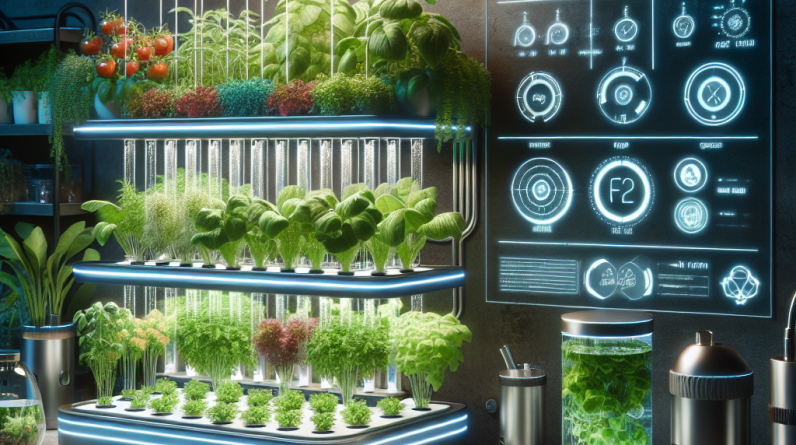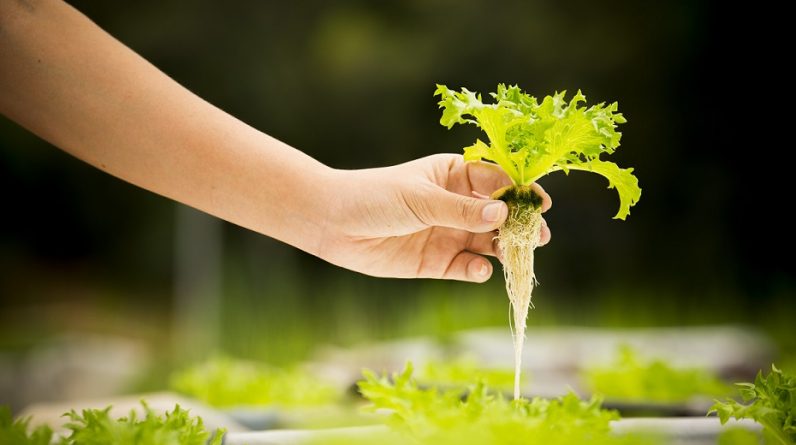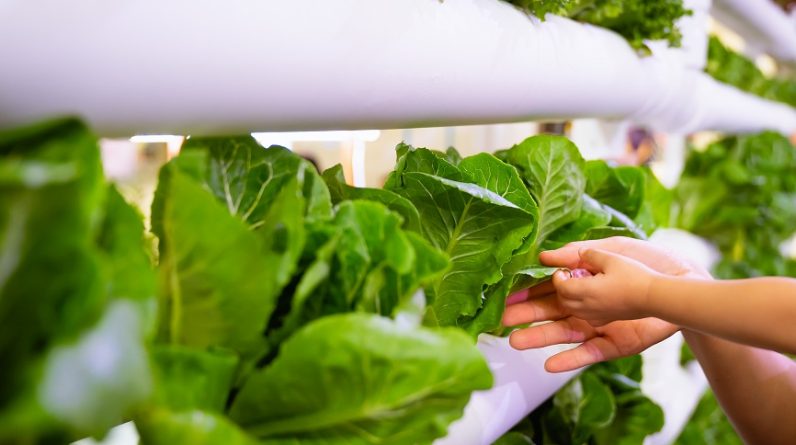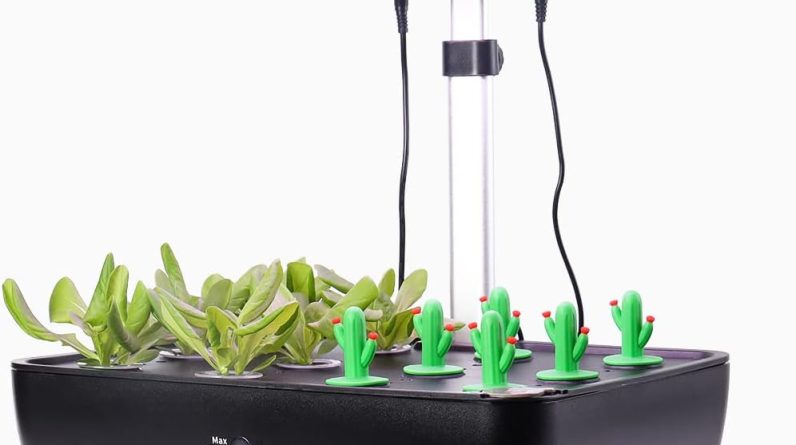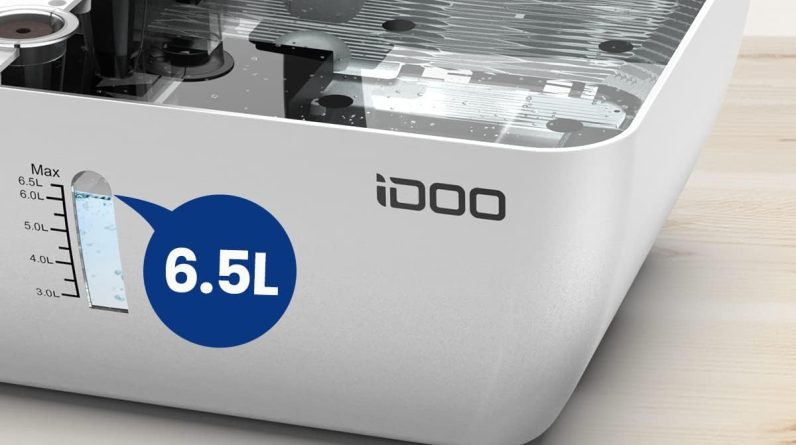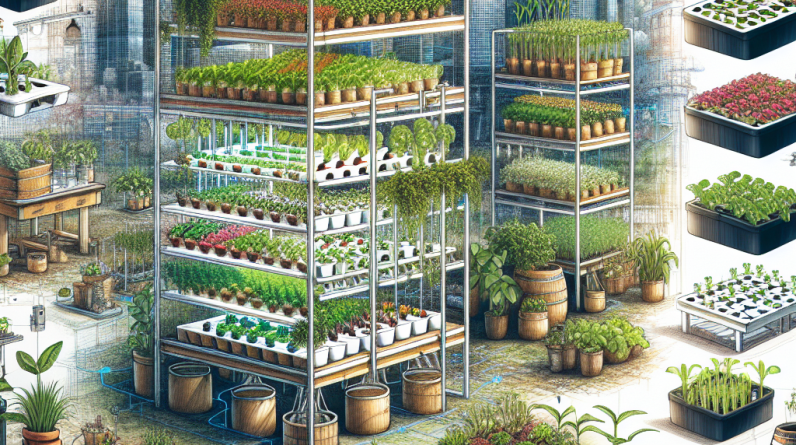
A hydroponic water pump setup is critical for delivering nutrients and oxygen to plants in a soil-less environment. This system typically includes a water reservoir, pump, tubing, and grow trays.
When establishing your hydroponic system, it’s essential to select the right pump type based on your specific setup and plant requirements. For instance, submersible pumps are ideal for smaller systems, while external pumps are better suited for larger setups. Additionally, consider factors such as flow rate, head height, and energy efficiency to optimize your system’s performance.
A common mistake beginners make is underestimating the pump’s capacity. An inadequate pump can lead to insufficient water circulation, which may harm plant growth. Prioritize selecting a pump that matches the size and type of your hydroponic system to avoid these pitfalls and ensure robust plant health.
Choosing the Right Pump
Selecting the right water pump is foundational to a successful hydroponic system. The ideal pump should offer sufficient flow rate and pressure to meet the needs of your plants and system type. For instance, a flow rate of at least 1 gallon per hour per plant is recommended for most systems.
When evaluating pumps, consider the head height, which is the vertical distance the pump can effectively move water. If your system has multiple levels, ensure the pump can handle the required height. Energy efficiency is also crucial, as a pump running continuously can significantly increase electricity costs over time.
Many growers often overlook the compatibility of their pump with their hydroponic system. Ensure the pump’s outlet size matches the tubing to prevent leaks and inefficiencies. Assessing your specific setup and plant types will lead to a more effective and sustainable hydroponic environment.
Setting Up Your Hydroponic System
The setup process for a hydroponic water pump involves several steps to ensure functionality and efficiency. Begin by positioning your water reservoir at a stable location, ensuring it is accessible for maintenance. Next, install the pump inside the reservoir and connect it to the grow trays using appropriate tubing.
It is vital to configure the tubing to allow for adequate drainage back into the reservoir. This creates a closed-loop system that recirculates water and nutrients, maximizing efficiency. Regularly check for clogs or leaks to maintain consistent water flow and avoid potential damage to your plants.
Additionally, consider integrating a timer for your pump, which can automate the watering schedule based on your plants’ needs. Many growers underestimate the importance of timing; too much or too little water can drastically affect plant health. A timer helps maintain a consistent watering regime, promoting optimal growth.
Maintaining Your Water Pump
Regular maintenance of your hydroponic water pump is essential for long-term functionality. Start by cleaning the pump and tubing at least every two weeks to prevent algae buildup and blockages. Use a soft brush and a mild cleaning solution to remove debris without damaging the components.
Monitor the pump’s performance, paying attention to unusual sounds or decreased water flow, which could indicate a malfunction. Addressing these issues promptly can prevent more severe problems down the line, ensuring your plants receive the nutrients they need.
Another common oversight is neglecting the water quality. Ensure the water in your reservoir is clean, as contaminants can affect both pump performance and plant health. Regularly test the water’s pH and nutrient levels to maintain a balanced environment.
Common Mistakes to Avoid
Many beginners fall into several traps when setting up their hydroponic water pump systems. One significant mistake is over or under-sizing the pump. An oversized pump can lead to excessive water pressure, damaging the plants, while an undersized pump may not provide adequate circulation.
Another common error is improper tubing connections. Ensure all connections are secure to prevent leaks, which can waste water and nutrients. Additionally, do not overlook the importance of regular maintenance; a neglected pump can lead to system failures and crop loss.
Lastly, avoid using tap water without testing. Chlorine and other chemicals in tap water can harm sensitive plant systems. Always use filtered or distilled water to maintain a healthy hydroponic environment.
Further Reading
Authoritative Sources
- Hydroponics Basics
hydroponics.comThis resource provides comprehensive information on hydroponic systems, including setup, maintenance, and troubleshooting
- Gardening Know How
gardeningknowhow.comA reliable source for gardening tips and techniques, offering insights into hydroponic systems and plant care
- Grow Weed Easy
growweedeasy.comThis site focuses on cannabis cultivation, including hydroponic setups and best practices for optimal growth
Frequently Asked Questions
What type of pump is best for hydroponics?
Submersible pumps are ideal for smaller systems, while external pumps work best for larger setups, providing better flow rates and energy efficiency.
How often should I run my hydroponic water pump?
It’s recommended to run the pump for 15-30 minutes every hour, depending on plant needs and system type, to ensure adequate nutrient delivery.
Can I use tap water in my hydroponic system?
It’s best to avoid tap water due to chlorine and chemicals; instead, use filtered or distilled water for optimal plant health.
What are the signs of a malfunctioning water pump?
Common signs include unusual noises, decreased water flow, or the pump not turning on, indicating maintenance or replacement is needed.
How do I clean my hydroponic water pump?
Disassemble the pump and use a soft brush with a mild cleaning solution to remove debris, rinsing thoroughly before reassembly.
Conclusion
Setting up a hydroponic water pump correctly is crucial for ensuring healthy plant growth and maximizing yields. By choosing the right pump, maintaining it properly, and avoiding common mistakes, you can create a thriving hydroponic environment. Regular monitoring and adjustments will help you achieve optimal nutrient delivery, leading to robust plant health. Take the time to understand your system’s needs and make informed decisions to support your hydroponic gardening journey.