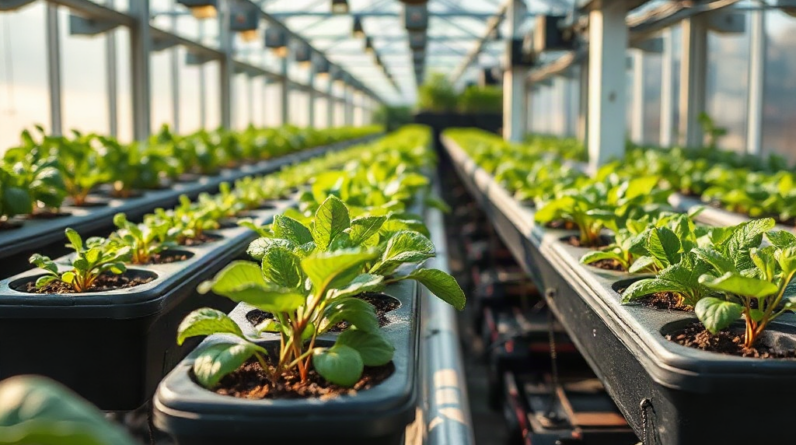
Identifying unsafe plastics in hydroponics means checking every water-contact part for a clear material identity, appropriate food-contact information, and resistance to nutrients, light, heat, and cleaning chemicals. Prioritize reservoirs, tubing, fittings, trays, and pump components because continuous contact can expose the solution to additives, degraded plastic, or residues. A recycling symbol alone does not prove suitability, and “food-safe” claims without a documented material or intended-use statement deserve caution. Replace cracked, brittle, sticky, strongly odorous, or unidentified parts, especially when they sit in warm, illuminated nutrient solution. When records are incomplete, a known polypropylene, polyethylene, or purpose-made hydroponic component is usually a more defensible choice than a reclaimed container.
Where Plastic Risk Enters a Hydroponic System
Plastic safety is a system-wide question, not a judgment reserved for the reservoir. Any component that touches nutrient solution, wet roots, or condensate can become relevant: storage totes, channels, net pots, drain lines, elbows, valves, pump housings, float assemblies, propagation trays, and sealants. A part that never contacts the edible plant directly may still influence the water that reaches the root zone.
The practical concern is usually not that every unidentified plastic will immediately contaminate a crop. The concern is uncertainty. Plastic formulations can contain colorants, processing aids, softeners, adhesives, or residues from a previous use. Chemical release depends on the material, its age, temperature, acidity, cleaning exposure, and contact time. A container made for dry storage may perform acceptably in a closet while being a poor choice for warm, continuously circulating nutrient solution.
Prioritize parts by contact and consequence. A large reservoir has much more wetted surface than a short fitting, while flexible tubing may become cloudy or hard before a rigid tank shows visible damage. A decorative bucket used temporarily for mixing is a different decision from a permanent reservoir beneath a food crop. For a component inventory, mark each item as direct water contact, intermittent wet contact, or no contact. Investigate the first category before spending time on external supports or dry tools.
A useful related reference on material selection is Identifying unsafe plastics in hydroponics, particularly when an existing system contains parts with no purchase records. The sensible goal is documented suitability and stable condition, not an impossible guarantee that a plastic contains no additives.
How Labels and Material Codes Should Be Read
A recycling identification code tells you what resin family a product is associated with; it does not, by itself, certify the finished item for hydroponic use. Manufacturing additives, recycled content, coatings, adhesives, and the product’s intended application still matter. “BPA-free” addresses one specific substance and should not be treated as a complete material-safety assessment.
Look for a manufacturer name, product number, resin designation, food-contact statement, and use limitations. Polyethylene and polypropylene are common in tanks, buckets, fittings, and trays because many products made from these resins tolerate water exposure reasonably well. That general reputation does not make every polyethylene or polypropylene item interchangeable: a thin container, unknown recycled blend, printed surface, or glued assembly may introduce separate concerns.
Rigid PVC and flexible vinyl require more careful product-specific review. PVC pipe intended for appropriate water service may be a reasonable system component, while soft tubing can have a different formulation and may contain plasticizers. Rubber-like seals, flexible hoses, and adhesive-backed fittings should therefore be checked independently rather than being covered by the label on the rigid pipe.
When documentation is missing, treat the part as unidentified rather than assuming the most favorable material. Compare a reclaimed food tub with a purpose-made reservoir. The reclaimed tub may be inexpensive, but its former contents, UV exposure, cleaning history, and structural condition are unknown. The purpose-made component costs more upfront but reduces uncertainty and often provides a more reliable lid, drain connection, and light barrier. Keep a simple material record for replacement parts, including the supplier, stated resin, and intended use. That record makes future troubleshooting more precise.
Exposure Conditions That Change the Decision
Contact conditions determine how demanding a plastic application becomes. Warm nutrient solution, direct grow-light exposure, concentrated cleaners, repeated temperature changes, and long residence time can accelerate aging or increase the chance that a formulation will perform poorly. Mechanical stress matters too: a repeatedly flexed tube can develop tiny cracks that harbor biofilm and make cleaning incomplete.
Inspect surfaces for whitening at bends, tackiness, swelling, unusual odor, cracking, chalky residue, yellowing, and loss of flexibility. These signs do not identify a specific chemical hazard, but they show that the component is no longer behaving as a stable barrier. A brittle return line may leak before it visibly sheds material; a translucent reservoir may allow algae growth because light reaches the solution; a scratched tank may retain deposits that ordinary rinsing does not remove.
Consider the difference between a cool, opaque reservoir and a clear container under a powerful lamp. Both may carry the same nutrient solution, but the clear container receives more light and may warm more quickly. The resulting algae, biofilm, and cleaning burden can be mistaken for a nutrient problem. Covering the container may reduce light exposure, but it does not resolve an unknown resin or a deteriorating surface.
Cleaning chemicals create another tradeoff. A part that survives mild detergent may not tolerate strong oxidizers, solvents, or prolonged soaking. Follow the component manufacturer’s compatibility information where available, rinse thoroughly, and avoid using a harsh chemical as a substitute for replacing damaged plastic. If a hose remains odorous after cleaning, becomes sticky, or transfers a visible film to a clean cloth, retirement is more sensible than repeated treatment.
A Practical Inspection and Replacement Process
A consistent inspection reduces guesswork. Begin with the water path and work outward, because the components closest to the roots deserve the earliest decision. Drain and isolate the system, remove residue, and examine each wetted part under good light. Record what is known before discarding evidence, especially if a component has a printed code or supplier marking.
Use this compact priority sequence:
- Identify: Find the resin code, manufacturer, product documentation, and previous-use history.
- Inspect: Check for cracks, clouding, swelling, odor, deposits, scratches, and degraded seals.
- Assess exposure: Note heat, light, nutrient concentration, cleaning chemicals, flexing, and contact duration.
- Decide: Keep a documented, intact part; isolate an uncertain part for verification; or replace a damaged or unexplained part.
- Verify after replacement: Run clean water, inspect for leaks or odor, and confirm that the system remains stable before returning plants.
Testing with clean water can reveal leaks, color transfer, or odor, but it cannot prove that a plastic is food-contact suitable or identify every possible migrant. Do not taste the water or rely on a home strip test to establish plastic safety. If the crop is intended for consumption and a major wetted component has an unknown history, replacing it is usually a better risk decision than trying to infer its formulation from appearance.
For routine maintenance, photograph markings and label tubing by location. A new fitting may look identical to an older one while having a different composition. This simple record also helps distinguish a material change from a nutrient, pump, or sanitation issue. For more context on choosing components, see the hydroponic plastic identification reference before expanding a system with miscellaneous containers.
Common Mistakes When Assessing Plastic Safety
The most common mistake is treating a single label as a complete answer. A recycling number, “BPA-free” claim, or familiar brand may provide useful information, but none automatically confirms that the whole assembly is suitable for warm, nutrient-rich, continuously circulated water. The tank, lid, gasket, valve, and adhesive may each be different materials.
Another mistake is assuming that a former food container remains suitable forever. Repeated scrubbing can roughen the surface, sunlight can embrittle it, and a container used for oily, chemical, or strongly scented contents may retain residues. “It held food once” is evidence about its former purpose, not proof of its current condition or compatibility with a hydroponic system.
Replacing only the visibly damaged section can also leave the main uncertainty untouched. For example, installing new tubing while retaining an unidentified reservoir may improve leaks but not address the material question. Conversely, replacing an entire functioning system because one low-contact external bracket is unknown may waste money. Match the response to the wetted area, exposure, and crop-use context.
Choose conservative materials when the system is small enough that replacement is affordable, and seek manufacturer documentation when the system is large or difficult to rebuild. Keep plants out of service during a major material change if residues, cleaners, or sealants could enter the water. The related plastic safety checklist for hydroponics can be used during inventory reviews, but it should support—not replace—product documentation and sound condition checks.
For additional verification, consult manufacturer technical sheets and official food-contact guidance from the relevant government authority. Those sources are more useful than informal resin charts because they address intended use, temperature limits, additives, and finished-product compliance. When a product is sold for water storage or hydroponic use, retain its documentation with the system maintenance record.
Frequently Asked Questions
Does a recycling number prove that plastic is safe for hydroponics?
No. It identifies a resin category, while finished-product additives, coatings, recycled content, intended use, and exposure conditions still require review.
Which parts should be checked first?
Inspect the reservoir, tubing, fittings, pump housing, valves, seals, and any tray or channel that carries nutrient solution before checking dry structural parts.
Is a reclaimed food bucket automatically suitable?
No. Its former contents, UV exposure, scratches, cleaning history, and current condition may be unknown even if it once stored food.
Can a water test confirm that a plastic is safe?
A rinse or water run can reveal odor, residue, leaks, or color transfer, but it cannot certify food-contact suitability or identify all chemical migration.
When should hydroponic plastic be replaced?
Replace parts that are cracked, brittle, swollen, sticky, persistently odorous, heavily scratched, or unidentified when they have substantial contact with the nutrient solution.
Conclusion
Safe plastic selection depends on documented material identity, intended use, stable condition, and the demands placed on the component. Examine the complete water path rather than relying on a tank label or a recycling symbol. Reservoirs and long runs of tubing deserve priority because they have substantial contact area and long exposure time, while seals and adhesives can create overlooked weak points. Replace damaged or unexplained wetted parts when verification is not available, and record the material and supplier of every new component. A clean-water trial can confirm basic performance after replacement, but it cannot substitute for product documentation. With a simple inventory, exposure review, and condition check, growers can reduce uncertainty without replacing sound parts unnecessarily.
Further Reading
Authoritative Sources
- Selecting Food-Safe Materials for Hydroponics (Beginner to ...
soilfreeharvest.comAvoid unknown plastics, flexible vinyl, and non–food-grade sealants or glues, which can leach phthalates, BPA, or heavy metals into your system ...
- Microplastics in produce: what the research shows and ...
mygardyn.comThe primary route by which microplastics enter conventionally grown vegetables is through contaminated agricultural soil and root uptake.
- A Hazard-Based Framework for Identifying Safer Alternatives ...
pmc.ncbi.nlm.nih.govRoutes of exposure include inhalation of indoor air and ingestion of indoor dust, both of which can contain hazardous chemicals from consumer ...