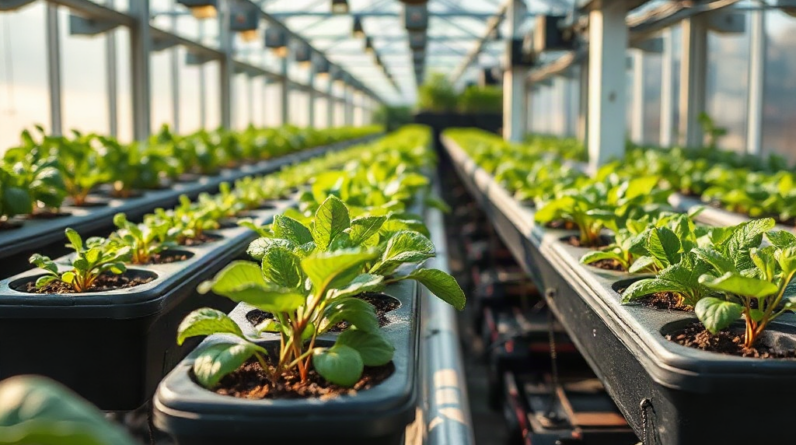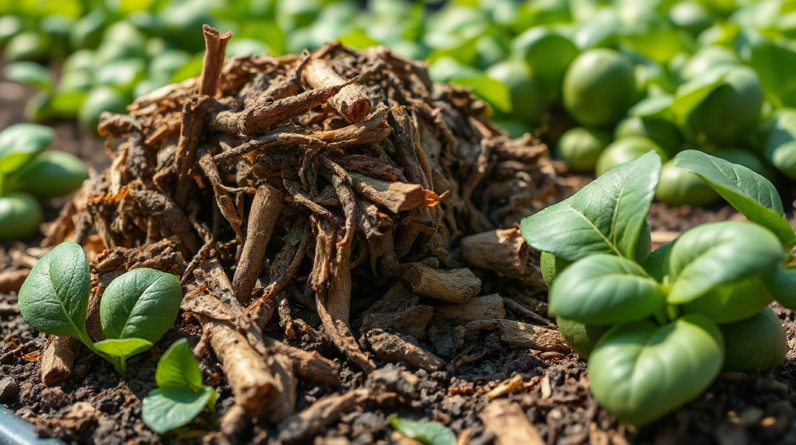
Reusing hydroponic grow media safely means sorting out damaged material, removing old roots and salts, disinfecting the media with a crop-appropriate method, and drying or storing it so pathogens and pests do not carry into the next planting. Inert media such as clay pebbles, perlite, and rockwool do not all tolerate the same treatment: clay pebbles can usually be washed and sanitized, while compressed rockwool often loses structure after one crop. Do not reuse media from plants with unexplained wilt, root disease, or a serious pest infestation unless you can reliably separate and sanitize it. A clean, neutral-smelling, structurally sound batch is the practical standard for reuse.
Which Grow Media Are Worth Reusing?
The safest reuse decision begins with the material itself. Expanded clay pebbles, washed gravel, and some reusable plastic-based substrates generally tolerate repeated handling because they keep their shape and do not absorb much moisture. Perlite may be reused when it remains clean and coarse, although it becomes dusty and compacted with repeated cycles. Rockwool cubes and slabs are a different case: roots become embedded in the fibers, the material can hold residual salts, and its structure may collapse after handling.
Reuse also depends on the previous crop. Media from a healthy lettuce plant that was removed at harvest presents a different starting point from media surrounding brown roots, foul water, fungus gnats, or unexplained wilting. A sanitizer cannot make every contaminated batch suitable for another crop, particularly when roots and organic debris remain trapped inside it. Separating questionable material before washing is more useful than treating every batch identically.
Inspect each portion under good light. Discard media that is slimy, persistently sour-smelling, heavily coated with algae, physically crumbling, or mixed with dead roots that cannot be removed. A few discolored clay pebbles are not automatically unusable, but a batch that stays coated after washing deserves caution. Reusing a cheap substrate is not worthwhile if it increases the chance of losing a valuable crop or spreading a recurring problem through a shared reservoir.
A practical comparison is durability versus absorbency. Durable, low-absorbency media are easier to rinse and verify. Absorbent or fibrous media may retain fertilizer salts and plant residue, making visual inspection less reliable. Beginners are often better served by reusing uniform clay pebbles and replacing degraded rockwool, while experienced growers may reuse more difficult materials when they can isolate batches and document sanitation.
Cleaning and Disinfecting Used Media
Cleaning removes roots, algae, dust, and fertilizer residue; disinfection addresses microorganisms that remain after visible debris is gone. Those are separate jobs. Rinsing clay pebbles until the water looks clear can improve cleanliness, but it should not be treated as proof that the media is pathogen-free. Conversely, applying a disinfectant before removing organic matter can leave protected pockets where roots and biofilm shield contamination.
Begin by emptying the used media into a dedicated tub rather than washing it directly over a growing area. Pick out roots and large debris, then flush the batch with clean water. For clay pebbles or gravel, several rinses and gentle agitation are usually practical. A soft brush can remove stubborn deposits from hard surfaces. Avoid crushing perlite into fine particles, because excessive dust and compaction change how water and air move around new roots.
Choose a sanitation method according to the substrate label, equipment instructions, and intended crop. Some growers use a dilute hydrogen peroxide solution or another labeled horticultural sanitizer, while others use heat where the material and container can safely tolerate it. Never combine cleaning chemicals, and do not guess at concentrations from an unrelated product. Follow the product label for dilution, contact time, ventilation, protective equipment, and rinsing requirements.
After treatment, rinse when the product directions require it and allow the media to drain completely. The goal is not to leave an unmeasured chemical film around young roots. A common failure occurs when a grower sanitizes a batch, plants immediately, and then blames the seedlings for weak growth when residual sanitizer or extreme pH interferes with the root zone. A separate clean container, measured solution, timer, and thorough final rinse make the process more repeatable.
Do not mix media from different health histories until the entire batch has passed inspection and sanitation. Media from a plant with root discoloration should remain isolated from material removed from healthy plants. If a disease pattern is uncertain, replacement is the lower-risk option. Reusing hydroponic grow media safely is less about making every substrate last forever and more about preventing one failed crop from becoming the next crop’s starting condition.
Testing Media Before the Next Planting
Clean-looking media still needs a basic readiness check. Residual fertilizer salts can raise the root-zone concentration around seedlings, while trapped sanitizer or an unusual pH can stress newly transplanted roots. These problems are more likely when a substrate has been used in a concentrated nutrient solution, allowed to dry with salts on its surface, or stored without a final rinse.
For reusable inert media, rinse with clean water and observe the runoff. A persistently cloudy, strongly colored, or unusually salty runoff suggests that more washing is needed. An electrical conductivity meter can help compare the final rinse with the source water, but the reading is a screening tool rather than a complete safety test. It does not identify every chemical residue or confirm the absence of plant pathogens.
Check physical performance as well. Place a sample in the type of net pot, tray, or channel where it will be used. Clay pebbles should drain freely without a thick coating that seals air spaces. Perlite should remain sufficiently coarse to resist rapid compaction. A rockwool cube should hold its shape and wet evenly; if it breaks apart or stays saturated in patches, it may create inconsistent root conditions even if it looks clean.
A small trial is useful when the batch is borderline. Wash and prepare a limited amount, then use it with a few noncritical seedlings rather than filling the entire system. Watch for slow establishment, persistent leaf-edge damage, foul odor, unstable pH, or unusual root browning. Healthy new roots and predictable moisture behavior are better evidence than a single visual inspection. The trial cannot guarantee a disease-free system, but it can reveal obvious chemical or structural problems before a full planting.
Do not overinterpret a successful rinse as proof that every future crop will perform identically. A media batch that works for a short-cycle herb may be less suitable for a long crop whose roots occupy it for months. Crop duration, irrigation frequency, container volume, and the substrate’s ability to hold air all change the consequences of small defects. Record the material, previous crop, cleaning date, and any unusual observation so later problems can be traced rather than guessed.
Storage, Crop Separation, and Reuse Limits
Storage determines whether clean media stays clean. Drain the substrate fully before placing it in a breathable, clearly labeled container. A sealed damp bucket can create stagnant conditions and encourage odor or microbial growth, while an uncovered pile can collect dust, insects, and splashes from untreated equipment. Keep prepared material away from dirty harvest bins, outdoor soil, pets, and chemical storage.
Label batches by material and crop history. “Clay pebbles—tomatoes—healthy harvest” is more useful than “clean media,” because the next decision may depend on whether the material came from a crop with root disease or heavy pest pressure. Maintain separate tools for questionable and ready-to-use batches when possible. Shared tubs and scoops can undo careful sanitation if residue from an infected root zone is transferred to a clean container.
Reuse limits are practical, not simply numerical. Replace rockwool when its fibers are packed with roots, its wetting pattern becomes uneven, or it no longer supports the plant securely. Replace perlite when it has become excessively fine and compacted. Replace clay pebbles when they fracture, develop persistent deposits, or no longer drain consistently. A substrate does not become safer merely because it has been used fewer times; condition and contamination history matter more than a fixed cycle count.
Crop separation can reduce risk. Using a prepared batch for a different crop does not remove contamination, but it may make it easier to maintain records and notice recurring problems. Avoid moving media from a diseased root zone into a shared recirculating system. If the original plant showed rapid wilt, severe root browning, or a spreading pest issue, dispose of the affected material according to local waste guidance instead of relying on a casual rinse.
A useful decision rule is simple: reuse when the substrate is durable, identifiable, physically sound, free of suspicious residue, and treatable with a method you can measure. Replace it when the material is degraded, the previous problem is unexplained, or sanitation would depend on guesswork. That approach may use more new media in the short term, but it can reduce crop loss, repeated cleaning, and the temptation to diagnose every failure after it reaches the reservoir.
Frequently Asked Questions
Can clay pebbles be reused after one hydroponic crop?
Often, yes, if they remain intact and came from a healthy crop. Remove roots, rinse away deposits, sanitize according to product directions, and check that they drain freely before planting again.
Should used rockwool be reused?
Usually only when it remains structurally sound and can be cleaned without leaving embedded roots. Crumbling, unevenly wet, or heavily rooted rockwool is generally a poor candidate for another crop.
Does rinsing remove plant diseases from grow media?
No. Rinsing removes debris and some residue but should not be considered disinfection. Media associated with unexplained wilt or root disease should be isolated, properly sanitized if appropriate, or discarded.
How can salt buildup be checked before reuse?
Inspect for crusts and rinse the media repeatedly with clean water. Comparing runoff conductivity with the source water can provide a useful screening signal, though it does not identify every residue or biological risk.
Can different used media batches be mixed?
Mixing is safest only after each batch has a known history, passed inspection, and received the same sanitation process. Keep material from diseased or uncertain crops separate rather than diluting it into a larger batch.
Further Reading
Authoritative Sources
- Greenhouse Sanitation
extension.umn.eduUniversity guidance on sanitation principles, tool cleaning, and reducing the movement of plant pathogens in protected growing spaces
- Greenhouse Sanitation
canr.msu.eduExtension information covering sanitation planning and the limits of cleaning when plant material or growing surfaces remain contaminated
Conclusion
Safe substrate reuse depends on a sequence of judgments: identify the material, review the previous crop, remove organic debris, sanitize with a measured and compatible method, and verify both cleanliness and structure before planting. Durable media such as clay pebbles usually offers the clearest reuse case, while degraded perlite and root-filled rockwool deserve replacement sooner. Keep questionable batches isolated, never treat a rinse as proof of disease control, and use a small trial when chemical residue or physical performance is uncertain. A simple record of crop history and cleaning conditions can prevent repeated mistakes. Reuse the media that is sound and traceable; discard the material whose contamination or deterioration cannot be confidently assessed.