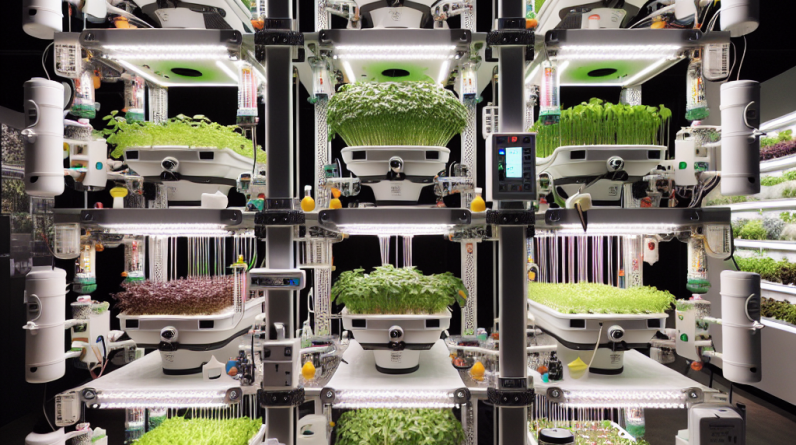
Understanding the factors that affect pH is essential for hydroponic growers. Water source quality, nutrient formulation, and environmental conditions play significant roles in pH fluctuations. For instance, using tap water may introduce varying pH levels due to chlorine or minerals, while nutrient solutions can alter pH as they interact with plant roots. Regular testing and adjustments using pH up or down solutions are necessary to maintain optimal levels.
One common mistake is neglecting regular pH monitoring, which can lead to drastic shifts that harm plant health. Growers should prioritize routine checks, ideally daily, and adjust their nutrient solutions accordingly. Additionally, understanding the specific pH preferences of different crops can help tailor the hydroponic system for optimal results. By focusing on these practices, growers can foster a thriving hydroponic environment that maximizes plant productivity.
How pH Affects Nutrient Availability
The pH level of a hydroponic solution significantly impacts nutrient solubility and availability. At the optimal pH range of 5.5 to 6.5, most essential nutrients are soluble and easily absorbed by plant roots. However, outside this range, certain nutrients can become unavailable, leading to deficiencies. For example, at a pH below 5.0, nutrients like calcium and magnesium may precipitate, while at a pH above 7.0, iron and manganese become less accessible.
Understanding this dynamic allows growers to make informed decisions about nutrient management. Regular testing can help identify potential issues before they escalate into significant problems. Moreover, adjusting pH levels not only enhances nutrient absorption but also promotes overall plant health and vigor, leading to higher yields.
To effectively manage nutrient availability, growers should familiarize themselves with the specific nutrient requirements of their crops and regularly monitor their pH levels. This proactive approach can prevent nutrient deficiencies and promote robust plant growth.
Methods for Monitoring pH Levels
Monitoring pH levels in a hydroponic system is crucial for maintaining optimal nutrient uptake. There are several methods available for growers, including pH test strips, handheld pH meters, and continuous pH monitoring systems. Each method has its pros and cons, with handheld meters often providing the most accurate readings.
Regular testing should be a part of any hydroponic routine. It’s advisable to check pH levels at least once a week, or even daily in high-demand systems. Keeping a log of pH readings can also help identify trends and make necessary adjustments in nutrient formulations or water sources.
Investing in quality pH monitoring equipment is essential for long-term success. Continuous monitoring systems can provide real-time feedback, allowing for immediate adjustments and reducing the risk of pH swings that can negatively impact plant health.
Common pH Adjustment Techniques
Adjusting pH levels in hydroponic systems can be achieved through various techniques, primarily using pH up or pH down solutions. These products are designed to safely alter the pH of nutrient solutions without harming plants. Growers should follow the manufacturer’s instructions carefully, adding small amounts incrementally and retesting frequently.
Another effective technique involves the use of natural amendments, such as citric acid for lowering pH or potassium hydroxide for raising it. While these methods can be less precise, they are often more environmentally friendly and can be used in conjunction with commercial pH adjusters for optimal results.
As with any adjustment, caution is key. Rapid changes in pH can shock plants, leading to stress and potential growth issues. Therefore, it is advisable to make gradual adjustments and monitor plants closely for any signs of distress.
Troubleshooting pH Issues in Hydroponics
Identifying and resolving pH issues is vital for maintaining a healthy hydroponic system. Common symptoms of pH-related problems include nutrient deficiencies, stunted growth, and discolored leaves. These signs often indicate that pH levels are outside the optimal range, leading to nutrient lockout.
To troubleshoot, start by testing the nutrient solution and the water source. If adjustments are necessary, employ the techniques discussed previously. Additionally, consider the overall environmental conditions, as factors like temperature and light can influence pH levels. For instance, high temperatures can lead to increased microbial activity, which may alter pH.
Regular maintenance and monitoring are essential for preventing pH issues. Establishing a comprehensive routine that includes testing, adjusting, and documenting pH levels can help maintain a balanced hydroponic system.
Further Reading
Authoritative Sources
- Hydroponics World
hydroponicsworld.comThis resource offers in-depth articles and guides on hydroponic techniques, including pH management
- Nutrition Facts
nutritionfacts.orgA valuable resource for understanding nutrient requirements and the impact of pH on plant health
- Agriculture and Agri-Food Canada
agr.gc.caProvides research and guidelines related to hydroponic farming practices
- eXtension
extension.orgOffers educational resources on sustainable agriculture, including hydroponics
Frequently Asked Questions
What is the ideal pH level for hydroponics?
The ideal pH level for hydroponics is between 5.5 and 6.5, where most nutrients are readily available for absorption.
How often should I check pH levels in my hydroponic system?
It is recommended to check pH levels at least once a week, or daily in high-demand systems, to ensure optimal nutrient availability.
What can cause pH fluctuations in hydroponics?
Factors such as water source quality, nutrient formulations, and environmental conditions can all cause pH fluctuations in hydroponic systems.
How can I adjust the pH in my hydroponic system?
You can adjust pH using commercial pH up or down solutions, or natural amendments like citric acid and potassium hydroxide.
What are the signs of nutrient lockout due to pH issues?
Signs of nutrient lockout include nutrient deficiencies, stunted growth, and discolored leaves, indicating pH levels may be outside the optimal range.
Conclusion
Maintaining the right hydroponic pH balance is essential for maximizing nutrient absorption and ensuring healthy plant growth. Regular monitoring and adjustments based on water quality, nutrient composition, and environmental factors can prevent issues like nutrient lockout. By prioritizing pH management and understanding the specific needs of your crops, you can create a thriving hydroponic environment that supports optimal yields. Take the time to invest in proper monitoring tools and methods to ensure your hydroponic system remains balanced and productive.
Related Content
- The Ultimate Guide to the 2025 Hydroponic System for Beginners That Guarantees Success
- The Ultimate Guide to Hydroponic Systems for Beginners: 10 Effective Strategies for 2025
- Sustainable Hydroponic Gardening: Key Practices for Eco-Friendly Growth
- Growing Hydroponic Vegetables: Unlocking the Secrets of Soil-less Farming
- Hydroponic vs. Traditional Gardening: Which Is Better?